

Animals
Filters
Filters

View a free sample of this approach:
Salut (French) – Structured Vocabulary Support (Free Sample)
A structured vocabulary resource designed to support learners who find German vocabulary harder to retain when words are taught as isolated items to memorise. This resource focuses on the high-frequency German word Kaninchen, explaining what it means in modern German and how its meaning developed over time.
Rather than relying on simple translation, the resource shows how Kaninchen is connected to earlier naming patterns for animals and to ideas of classification and familiarity. Earlier forms included in the resource are linguistic reconstructions used by scholars to model how the word is thought to have developed. They are not recorded quotations and are included only where they help make the modern meaning clearer and more logical.
Where helpful, links are made to familiar patterns in English, including how animal names can shift in form and usage over time. This allows learners to anchor the German word in existing knowledge and supports cross-linguistic transfer, rather than treating vocabulary as arbitrary.
Each panel draws attention to one clear idea at a time, such as naming, form, or continuity of meaning, without requiring learners to memorise historical detail. Learners are not expected to remember dates, language stages, or technical terminology. Panels can be explored in order or revisited independently over time, reducing working-memory load and supporting flexible use in short sessions.
The resource is designed with dyslexic and neurodivergent learners in mind, particularly those who benefit from explicit structure, reduced verbal load, and visual anchoring. It supports recognition, confidence, and longer-term vocabulary retention when learners encounter Kaninchen again in lessons or reading.
The accompanying photograph of a rabbit provides a clear, real-world visual anchor, reinforcing the modern meaning of Kaninchen as a concrete, living animal rather than an abstract vocabulary item.
What’s included
• A clear visual explanation of how Kaninchen developed and what it means in modern German
• Explicit clarification of meaning without relying on rote memorisation
• Simple black-and-white illustrations designed to anchor understanding and reduce verbal explanation
• Support for understanding semantic development without requiring memorisation of history
How to use
Best used in short sessions (5–10 minutes), revisited over time. Start with what Kaninchen means today, then use the panels to support discussion and understanding. Panels do not need to be used all at once or in strict order. An adult guides use and decides when to stop.
This resource supports classroom learning, tutoring, and home education, but does not replace teaching or practice.
Who it’s for
• Dyslexic learners studying German
• KS3–KS4 pupils who struggle with vocabulary retention
• Parents, tutors, and intervention teachers
• Learners who benefit from explicit, structured language explanation
© Great Expectations Education
For personal use in home education and tutoring only.
View a free sample of this approach:
Salut (French) – Structured Vocabulary Support (Free Sample)
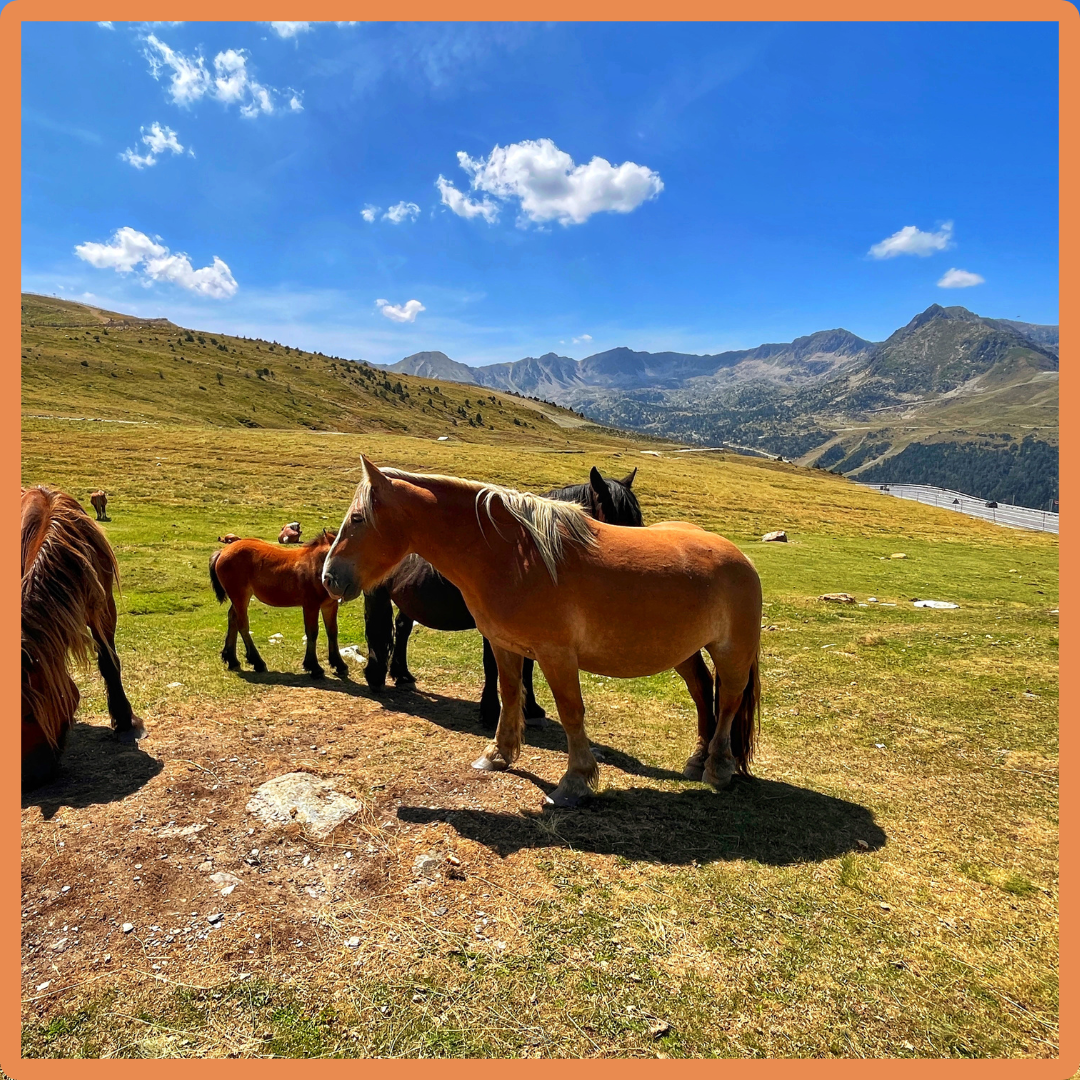
A structured vocabulary resource designed to support learners who find German vocabulary harder to retain when words are taught as isolated items to memorise. This resource focuses on the high-frequency German word Pferd, explaining what it means in modern German and how its meaning developed over time.
Rather than relying on simple translation, the resource shows how Pferd is connected to earlier ideas of riding, transport, and everyday use. Earlier forms included in the resource are linguistic reconstructions used by scholars to model how the word is thought to have developed. They are not recorded quotations and are included only where they help make the modern meaning clearer and more logical.
Where helpful, links are made to familiar patterns in English, such as older or regional words for ‘horse’, and to related ideas of travel and riding. This allows learners to anchor the German word in existing knowledge and supports cross-linguistic transfer, rather than treating vocabulary as arbitrary.
Each panel draws attention to one clear idea at a time, such as continuity of meaning or change in form, without requiring learners to memorise historical detail. Learners are not expected to remember dates, language stages, or technical terminology. Panels can be explored in order or revisited independently over time, reducing working-memory load and supporting flexible use in short sessions.
The resource is designed with dyslexic and neurodivergent learners in mind, particularly those who benefit from explicit structure, reduced verbal load, and visual anchoring. It supports recognition, confidence, and longer-term vocabulary retention when learners encounter Pferd again in lessons or reading.
What’s included
• A clear visual explanation of how Pferd developed and what it means in modern German
• Explicit clarification of meaning without relying on rote memorisation
• Simple black-and-white illustrations designed to anchor understanding and reduce verbal explanation
• Support for understanding semantic development without requiring memorisation of history
How to use
Best used in short sessions (5–10 minutes), revisited over time. Start with what Pferd means today, then use the panels to support discussion and understanding. Panels do not need to be used all at once or in strict order. An adult guides use and decides when to stop.
This resource supports classroom learning, tutoring, and home education, but does not replace teaching or practice.
Who it’s for
• Dyslexic learners studying German
• KS3–KS4 pupils who struggle with vocabulary retention
• Parents, tutors, and intervention teachers
• Learners who benefit from explicit, structured language explanation
Photograph taken on a high mountain pasture above Andorra.
© Great Expectations Education
For personal use in home education and tutoring only.
View a free sample of this approach:
Salut (French) – Structured Vocabulary Support (Free Sample)
A structured vocabulary resource designed to support learners who find German vocabulary harder to retain when words are taught as isolated items to memorise. This resource focuses on the high-frequency German word Schlange, explaining what it means in modern German and how its meaning developed over time.
Rather than relying on simple translation, the resource shows how Schlange is connected to earlier ideas of winding, looping, and curving. Earlier forms included in the resource are linguistic reconstructions used by scholars to model how the word is thought to have developed. They are not recorded quotations and are included only where they help make the modern meaning clearer and more logical.
Where helpful, links are made to familiar patterns in English, such as words connected to looping, coiling, or bending. This allows learners to anchor the German word in existing knowledge and supports cross-linguistic transfer, rather than treating vocabulary as arbitrary.
Each panel draws attention to one clear idea at a time, such as shape or movement, without requiring learners to memorise historical detail. Learners are not expected to remember dates, language stages, or technical terminology. Panels can be explored in order or revisited independently over time, reducing working-memory load and supporting flexible use in short sessions.
The resource is designed with dyslexic and neurodivergent learners in mind, particularly those who benefit from explicit structure, reduced verbal load, and visual anchoring. It supports recognition, confidence, and longer-term vocabulary retention when learners encounter Schlange again in lessons or reading.
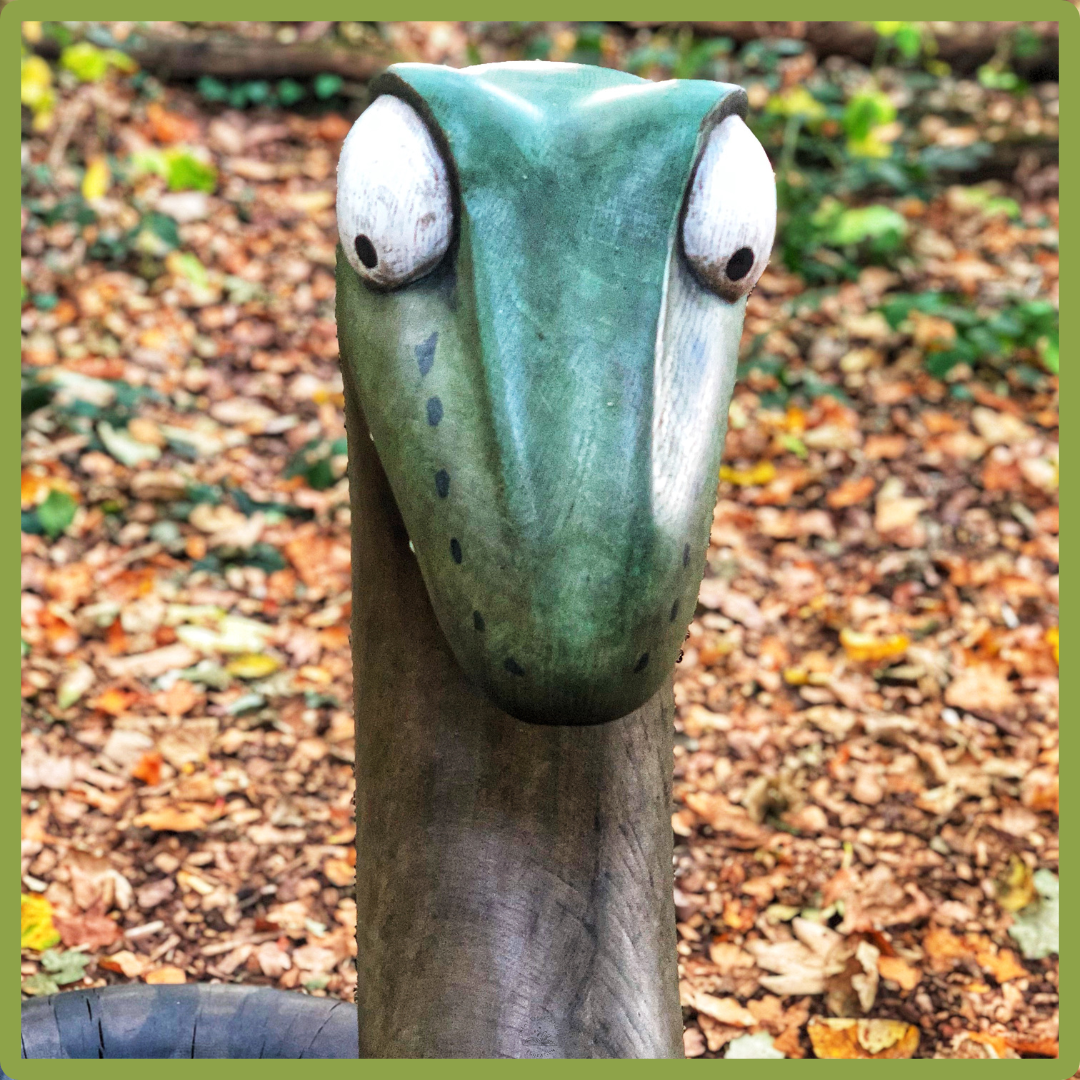
The accompanying photograph of a snake, taken at Westonbirt Arboretum, provides a real-world visual anchor to reinforce the idea of winding shape and movement.
What’s included
• A clear visual explanation of how Schlange developed and what it means in modern German
• Explicit clarification of the core meaning and how it extends to related uses
• Simple black-and-white illustrations designed to anchor meaning and reduce verbal explanation
• Support for understanding semantic development without requiring memorisation of history
How to use
Best used in short sessions (5–10 minutes), revisited over time. Start with what Schlange means today, then use the panels to support discussion and understanding. Panels do not need to be used all at once or in strict order. An adult guides use and decides when to stop.
This resource supports classroom learning, tutoring, and home education, but does not replace teaching or practice.
Who it’s for
• Dyslexic learners studying German
• KS3–KS4 pupils who struggle with vocabulary retention
• Parents, tutors, and intervention teachers
• Learners who benefit from explicit, structured language explanation
© Great Expectations Education
For personal use in home education and tutoring only.
No results found
No results match your search. Try removing a few filters.
Curious to try my resources? Start here.
This little set of ‘test’ themed resources is a gentle way to try out how I teach spelling, morphology and vocabulary, without committing to full price.
Each one is 75% off for a limited time and works well as a standalone activity or as a taster before diving into the other packs.
Ideal for: home educators, 11+ candidates and anyone wanting a low cost starting point.

This downloadable pack explores the root ‘test’ (from Latin testari, meaning to witness or affirm). It includes a clear set of printable word cards designed for spelling, reading, and vocabulary practice – with a focus on how words are built.
All words in this set contain the root ‘test’ (e.g. attest, protestation, testimony, untestable), and are organised for ease of printing. These cards are not flashcards in the traditional sense – they’re designed to be used within play-based, sensory-rich tasks. Check out a scroll-through of the resource.
Included in the pack:
✅ 36 word cards featuring the root ‘test’
✅ A simple tracker to monitor blending and reading fluency
✅ 40+ activity suggestions using tactile, oral, visual, and movement-based approaches
Examples include:
• Writing with window pens or tracing in salt
• Playing Snakes and Ladders with a word per turn
• Echo reading, silly sentences, and morpheme matching
• Body spelling, hopscotch games, and torchlight hunts
These activities are especially supportive for learners who benefit from movement, repetition, and meaning-driven reading. The tracking sheet allows you to note when a word can be blended or read automatically – helpful for both planning and celebrating progress.

Decode big words like ‘testament’ and ‘protester’ — morpheme by morpheme.
This downloadable literacy pack helps children explore the morpheme ‘test’ (meaning to witness or to examine), using a Structured Word Inquiry (SWI) approach. Through colour-coded cards, clear explanations, and hands-on activities, learners discover how complex words are built — and what they really mean.
Inside the pack:
A complete set of morpheme cards (in both colour-coded and neutral green versions)
A parent guide that explains word parts clearly — including what a linking vowel is and when to drop the ‘e’
A progress tracking table for blending and reading
10+ multi-sensory word-building games and puzzles
Examples of real ‘test’ word families (e.g. testify, protest, testimony, untested, countertestimony)
Check out a scroll-through video of the resource.
Activities include:
Missing morpheme puzzles
Snap! word family edition
Build-your-own definition games
Word wall creation
Card sorting and classification
Designed by a qualified dyslexia and literacy specialist, this pack supports:
Home educators
Learners who thrive on pattern and logic
Spelling confidence through morphology
Older learners revisiting tricky words with purpose

📎 Part of the How Words Workcollection | ✏️ 75% Off | 🎞️ Scroll-through video included
This sample resource introdu ces learners to vocabulary built from the Latin root “testari”, meaning to bear witness. It’s part of my wider How Words Work: Root Study & Vocabulary collection — a series of tools for building spelling confidence and deeper word understanding.
This pack includes structured grids for exploring words like testify, protest, attest, and testimonial, using:
Clear definitions
Synonyms
Sentence prompts
Etymology (word origins)
The word contest is fully modelled as an example, and suggested answers are provided at the end to support independent learning. Illustrating the words is encouraged, particularly for visual memory or neurodivergent learners.
This sample is ideal for:
🟊 Home educators exploring root-based learning
🟊 Children preparing for 11+ exams
🟊 Learners who benefit from structured vocabulary work
🟊 Anyone curious about how words connect
🎞️ A scroll-through video shows the full resource before purchase
💸 Download it for 75% off as part of the test word collection
📄 Pairs well with my Test spelling sheets and word cards
A ready-to-use set of spelling and decoding grids exploring the root test (to bear witness or show evidence).
From test and attest to testimony, protest, and intestacy, this pack offers structured practice with over 30 derived words — all carefully segmented for reading, spelling, and meaning.
Each sheet supports multi-sensory learning, encouraging children to:
▪️ Explore the sounds
▪️ Create the word
▪️ Read, Spell, and Use it in a sentence
Also includes a page of hands-on activity ideas — from tracing and air-writing to chalk play and morpheme sorting.
Perfect for learners exploring morphemes, building vocabulary, or strengthening reading and spelling fluency.
🟩 You’ll get:
• Three printable spelling grids
• Word lists split by morpheme
• Sentence-writing prompts
• Multi-sensory activity suggestions
• Colour-coded versions to support visual memory
Check out the resource on this video.
Designed for home learning or 1:1 support.
Pairs well with the matching “test” jigsaw word cards.