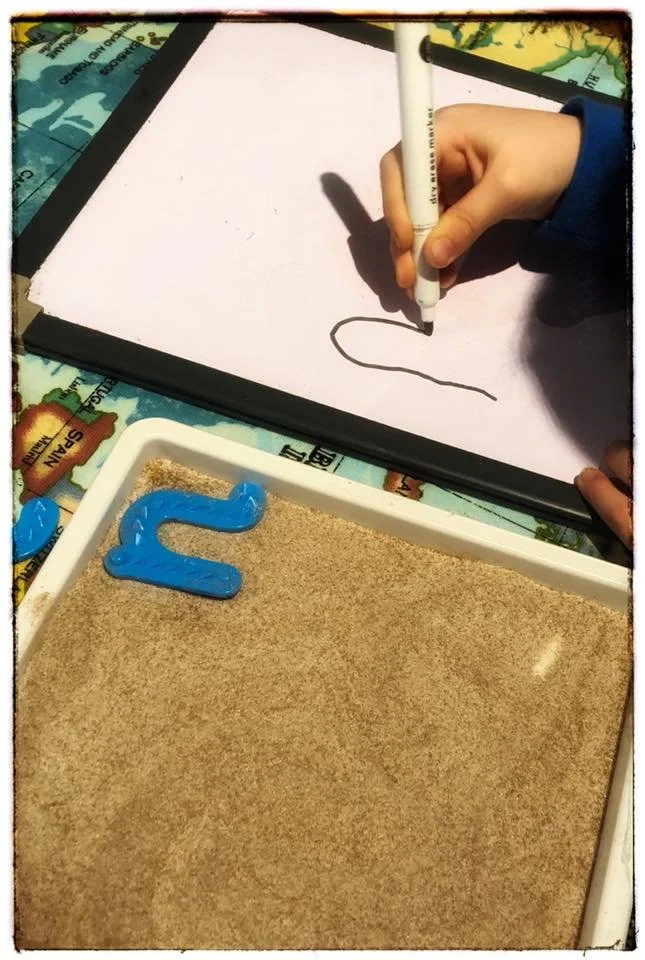
Making learning accessible to neurodivergent learners
Something isn't working. That's usually why people find this page.
It might be a report the school sent home that you've read four times and still can't act on. It might be a bright eight-year-old who isn't reading yet, or a fourteen-year-old who's stopped trying to write anything down. You might be home educating and teaching phonics yourself, wanting something structured to build into the week. There might be a diagnosis, there might not be.
You don't need a diagnosis to work with me, and you don't need to already know what the acronyms mean. Working that out is my job, not yours.
I've been on your side of it
I've defended a decision to have my own child assessed, to a head teacher who didn't think it was necessary. I've appealed a refusal to assess and been proved right once a clinician actually saw the child. I've gone into what I thought was a routine appointment and come out with a diagnosis that arrived from nowhere. I've been to so many appointments with four different children that I know in advance what they'll ask, so I write it down beforehand. The one time I handed it over, they looked askance.
No question is too small
Some people come with years of paperwork and a tribunal date. Some come with one question about whether a book is too hard for their child. Both are fine, the second sort often think they aren't - so if you've been putting off asking because it doesn't feel big enough to bother anyone with, ask.
More about me →
What I offer
If you're not sure which of these you need, that's what a consultation is for. We work out together what would actually help, and sometimes the answer is that you don't need me at all.
Everything I do:
Specialist consultations - Before the Fire. A Zoom call about a report, a question, or something you can't see a way through. Also available as messaging if a call isn't what you want.
One-to-one tuition - The Chimney-Corner. Weekly online lessons for children and teenagers with dyslexia, dyscalculia, or related difficulties. Fees are on the tuition page. If you'd like to know whether I have space, there's a form to send me an enquiry.
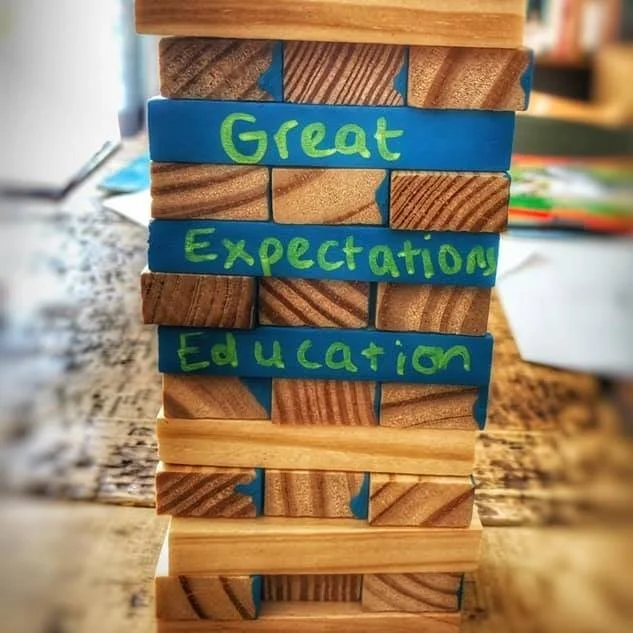
The resource shop - The Anvil. Printable files to use at home: phonics, morphology, handwriting, and vocabulary resources in French, German, Spanish and Italian.
Book grading - The Bramble-Bush. Phonics-graded reviews using the Hatcher framework, for working out whether a book is the right level for your child.
The Compendium. Practical articles for parents and carers - the SEND (special educational needs and disabilities) system, EHCPs (Education, Health and Care plans), DLA and PIP (Disability Living Allowance and Personal Independence Payment), assistive technology, home education. It also holds my own writing on parenting and disability, and on teaching and learning.
The Wordhord. Where words come from, and how they got there. Free.
The Hearth. My newsletter. No schedule - it goes out when I've written one.
Who I work with
Children and teenagers who:
Have dyslexia, dyscalculia, or handwriting difficulties
Are autistic or otherwise neurodivergent
Have complex learning difficulties
Have stopped reading, or never started properly
Are home educated, in mainstream school, or in a specialist setting
Don’t yet have a formal diagnosis but would benefit from structured help
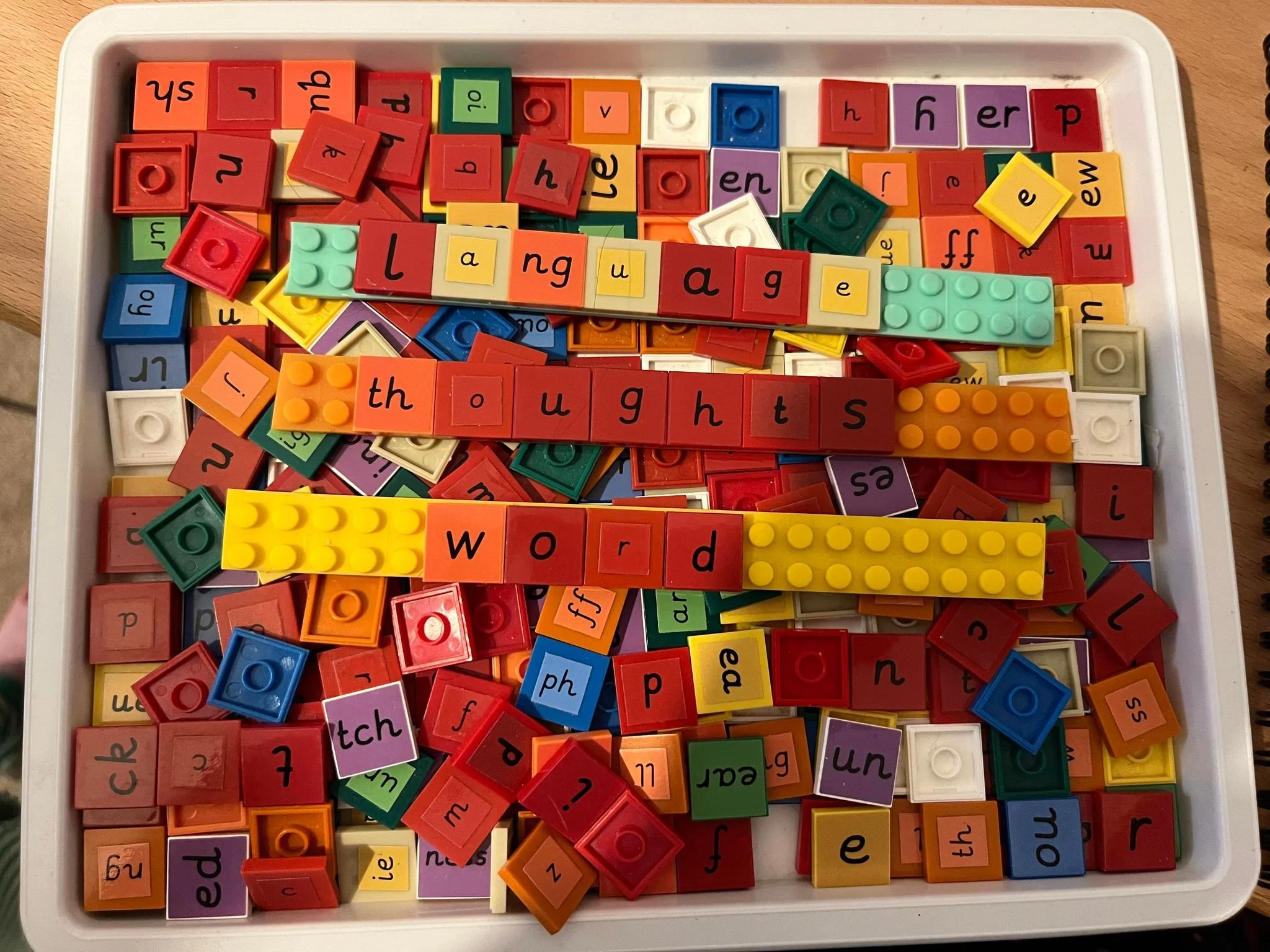
Progress can be quicker than people expect once the teaching matches the learner. With calm, structured support, progress can be significant within months — including for learners who arrived convinced they couldn’t read.
Evidence before assumption
‘Take nothing on its looks; take everything on evidence.’
— Charles Dickens, Great Expectations
The work here is grounded in research and careful observation, not trends or quick fixes. Families often arrive overwhelmed by conflicting advice. What I offer is something steadier - structure, and a clear sense of what actually helps over time.
If you’d like to talk through whether one of these routes fits your situation, get in touch.