Was - Structured German Support
£2.00
View a free sample of this approach:
Salut (French) – Structured Vocabulary Support (Free Sample)
German learners often encounter ‘was’ very early, but it can still feel like an arbitrary word to memorise. This resource explains the meaning of was clearly and shows where the word comes from, helping learners understand why it looks familiar to English speakers.
What It Does
This short structured resource supports learners in understanding and remembering the German word ‘was’, meaning ‘what’.
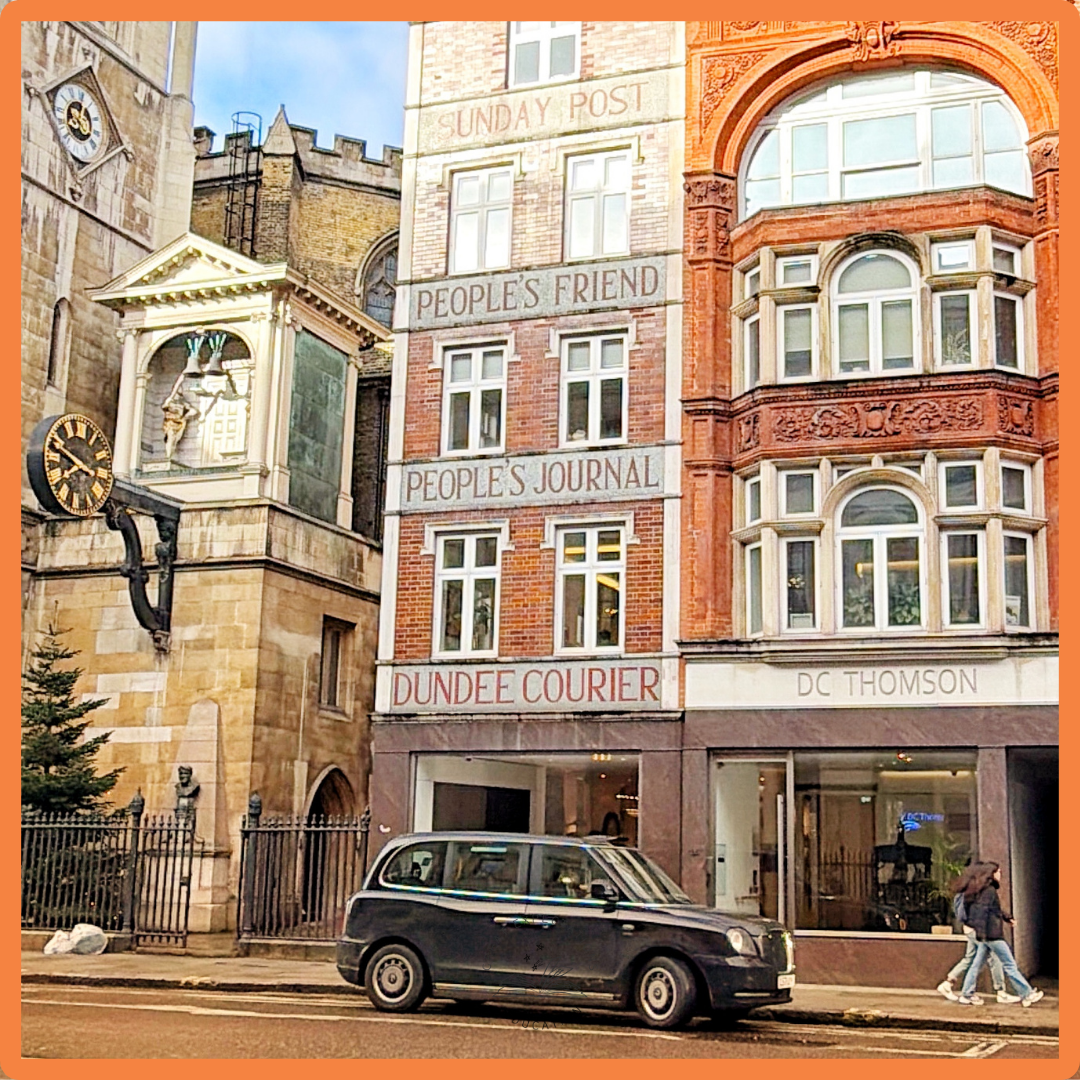
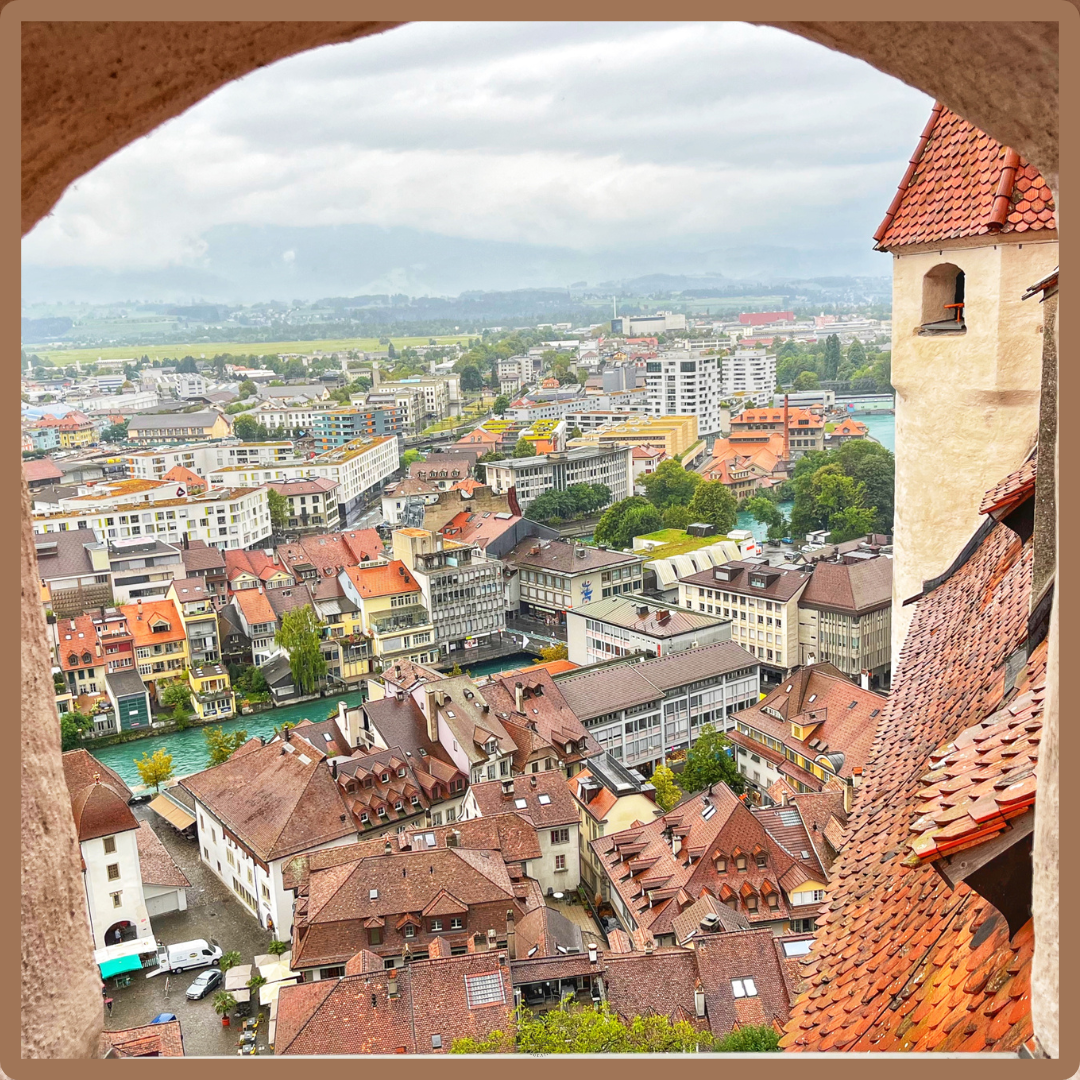
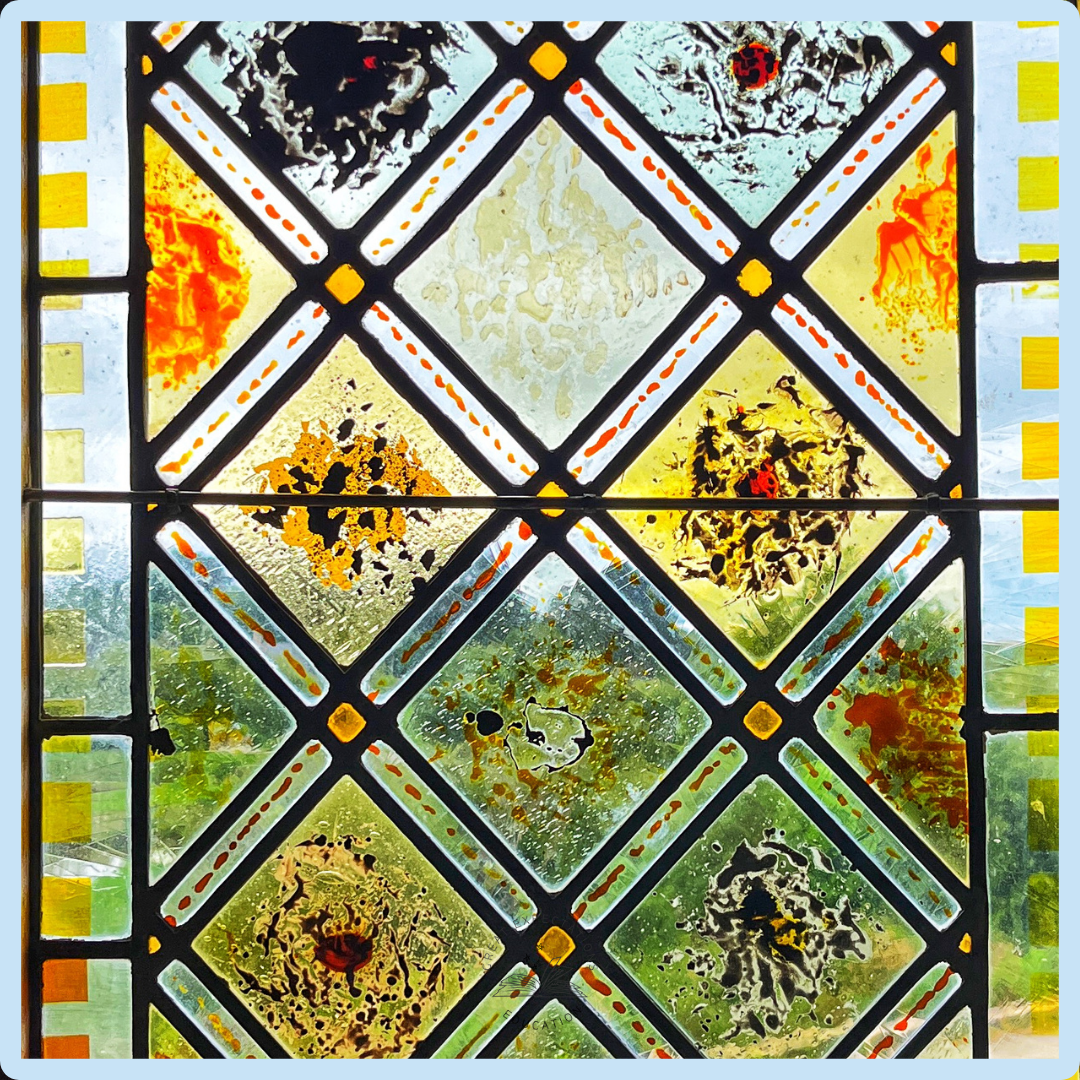
Using simple visuals and historically informed explanation, the resource shows how the word developed from early Indo-European language through Proto-Germanic and Old High German before becoming the modern German was. Learners see how it connects directly to the English word ‘what’, making the vocabulary easier to recognise and recall.
The focus is understanding, not memorising history. The historical pathway simply helps the word make sense.
What Makes It Different
• Explains vocabulary through meaning and language history, not memorisation
• Uses clear imagery to anchor understanding for dyslexic learners
• Connects German vocabulary to familiar English words where relevant
• Designed for short guided discussions rather than worksheets
Originally created to support my own child’s vocabulary retention.
Who It’s For
This resource is particularly helpful for:
• KS3 German learners
• Dyslexic or neurodivergent learners who struggle with isolated vocabulary lists
• Parents supporting homework
• Tutors running short vocabulary consolidation sessions
How To Use
Use the resource in short 5–10 minute guided sessions.
Start with the modern meaning of the word. Use the illustrations to discuss what the learner can see. Return to the resource occasionally over several weeks rather than completing it all at once. The aim is recognition and confidence when the word appears again.
Explore the full structured literacy resource hub in The Forge, or see how morphology and word families connect across languages in The Wordcrafter’s Bench.
Related French Structured Vocabulary Resources
• German wer – meaning ‘who’
• German wie – meaning ‘how’
• German wann – meaning ‘when’
• German wo – meaning ‘where’
© Great Expectations Education
For personal use in home education and tutoring only.
View a free sample of this approach:
Salut (French) – Structured Vocabulary Support (Free Sample)
German learners often encounter ‘was’ very early, but it can still feel like an arbitrary word to memorise. This resource explains the meaning of was clearly and shows where the word comes from, helping learners understand why it looks familiar to English speakers.
What It Does
This short structured resource supports learners in understanding and remembering the German word ‘was’, meaning ‘what’.
Using simple visuals and historically informed explanation, the resource shows how the word developed from early Indo-European language through Proto-Germanic and Old High German before becoming the modern German was. Learners see how it connects directly to the English word ‘what’, making the vocabulary easier to recognise and recall.
The focus is understanding, not memorising history. The historical pathway simply helps the word make sense.
What Makes It Different
• Explains vocabulary through meaning and language history, not memorisation
• Uses clear imagery to anchor understanding for dyslexic learners
• Connects German vocabulary to familiar English words where relevant
• Designed for short guided discussions rather than worksheets
Originally created to support my own child’s vocabulary retention.
Who It’s For
This resource is particularly helpful for:
• KS3 German learners
• Dyslexic or neurodivergent learners who struggle with isolated vocabulary lists
• Parents supporting homework
• Tutors running short vocabulary consolidation sessions
How To Use
Use the resource in short 5–10 minute guided sessions.
Start with the modern meaning of the word. Use the illustrations to discuss what the learner can see. Return to the resource occasionally over several weeks rather than completing it all at once. The aim is recognition and confidence when the word appears again.
Explore the full structured literacy resource hub in The Forge, or see how morphology and word families connect across languages in The Wordcrafter’s Bench.
Related French Structured Vocabulary Resources
• German wer – meaning ‘who’
• German wie – meaning ‘how’
• German wann – meaning ‘when’
• German wo – meaning ‘where’
© Great Expectations Education
For personal use in home education and tutoring only.