/uː/ - 'o' 'oe' Bundle (£10)
Sale Price:
£10.00
Original Price:
£12.00
A small group of common English words spell the /uː/ sound with a plain 'o' — 'do', 'to', 'who', 'two', 'move'. They look like they should rhyme with 'go' or 'no', but they don't. This pack works through them.
Where this sound-spelling comes from in English
The /uː/ sound is normally spelled 'oo', 'ew', 'u_e', or 'ue'. The plain 'o' spelling is unusual, and there's a reason for it. Most of these words — 'do', 'to', 'who', 'move', 'prove' — were pronounced with a long /oː/ in Middle English, closer to the modern 'o' in 'go'. During the Great Vowel Shift, between roughly 1400 and 1700, that long /oː/ raised further to /uː/. The spelling didn't follow. A handful of words ended up with an 'o' on the page and a /uː/ in the mouth, and they've stayed that way. 'Shoe' and 'tomb' have a slightly different history — 'shoe' from Old English 'sċōh', 'tomb' borrowed from Old French 'tombe' — but they ended up in the same group. These are high-frequency words that turn up early in a child's reading, which makes the spelling pattern worth teaching explicitly rather than leaving it to be picked up.
What's included
This bundle contains four resources for teaching and consolidating the /uː/ - 'o' 'oe' sound-spelling pattern:
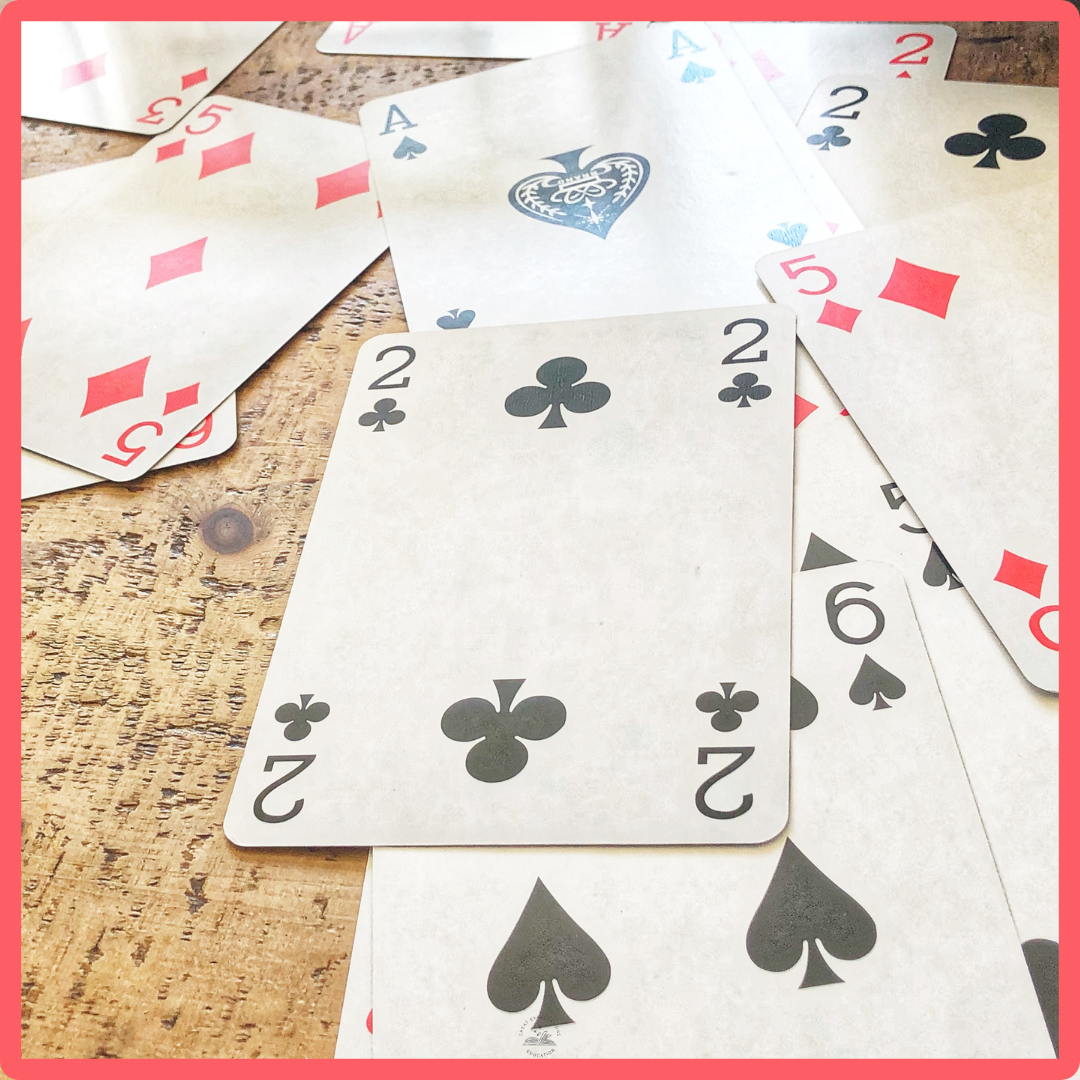
• Word Cards and Progress Tracker — fourteen word cards (with both red-highlighted and plain versions), suggested multi-sensory activities, and a tracker for blending and automaticity
• Vocabulary Exploration Grids — fourteen grids exploring meaning, sentence use, synonyms, and other spellings of the /uː/ sound, with one worked example
• Spelling Practice Grid — segmenting and blending tables across two practice grids, plus pages of activity ideas for creative play, segment and blend practice, sentence work, games, and visual or auditory links
• Activities Sheet — true/false meaning checks, cloze sentences, write-and-match, and a comprehension passage on the history of shoes
All resources are PDFs. Words across the bundle range from common high-frequency words ('do', 'to', 'who', 'two') to less familiar ones ('whom', 'womb', 'tomb', 'improve', 'undo').
Who it's for
Designed first for tutoring students, but they suit a wider range:
• Children consolidating phonics in Key Stage 1 or 2, particularly those still working through the more unusual sound-spellings
• Older learners (Key Stage 3 and beyond) who are still meeting these words as awkward exceptions and benefiting from explicit teaching
• Home-educated children working through phonics independently or alongside a parent
• Specialist tuition students, including those with dyslexia or poor working memory
• Children curious about why English spells things the way it does
• Parents working alongside their children
• Adults brushing up their own decoding, or studying alongside a child
This isn't designed for early readers still working on letter-sound basics. The activities assume the learner can already read CVC and short consonant-blend words like 'shop', 'them', and 'fish' confidently, and is ready to meet a small group of words where 'o' makes an unexpected sound.
Why this exists
Most phonics resources skip over the /uː/ sound spelled with 'o', or bundle these words in with sight words to be memorised. But these are high-frequency words — 'do', 'to', 'who', 'two', 'move' — so a child meets them constantly, gets them wrong, and starts to feel that English is just a series of traps. Teaching the pattern explicitly, with the same structured approach used for any other sound-spelling, gives the learner something to hold on to. The four resources in this bundle work the same words across different formats — flashcards for fluency, grids for vocabulary depth, segmenting and blending practice for spelling, and meaning-focused activities for application. A child reads the cards in a game of Snakes and Ladders, writes the words on a window with a window pen, and meets them again in a comprehension passage.
Originally created to support my students' learning once the lesson had ended.
If your child also struggles with the /əʊ/ sound — the long 'o' in 'go', 'stone', 'toad' — you might find the /əʊ/ collection useful. The two sounds share the 'o' and 'oe' spellings, which is part of what makes them confusing. Teaching them as a contrast often helps.
You can browse the rest of The Soundsmith's Workshop for other sound-spellings, or head back to The Forge to look at morphology, handwriting or vocabulary resources.
Available now as a PDF download.
Licence
For personal use in home education and tutoring only.
A small group of common English words spell the /uː/ sound with a plain 'o' — 'do', 'to', 'who', 'two', 'move'. They look like they should rhyme with 'go' or 'no', but they don't. This pack works through them.
Where this sound-spelling comes from in English
The /uː/ sound is normally spelled 'oo', 'ew', 'u_e', or 'ue'. The plain 'o' spelling is unusual, and there's a reason for it. Most of these words — 'do', 'to', 'who', 'move', 'prove' — were pronounced with a long /oː/ in Middle English, closer to the modern 'o' in 'go'. During the Great Vowel Shift, between roughly 1400 and 1700, that long /oː/ raised further to /uː/. The spelling didn't follow. A handful of words ended up with an 'o' on the page and a /uː/ in the mouth, and they've stayed that way. 'Shoe' and 'tomb' have a slightly different history — 'shoe' from Old English 'sċōh', 'tomb' borrowed from Old French 'tombe' — but they ended up in the same group. These are high-frequency words that turn up early in a child's reading, which makes the spelling pattern worth teaching explicitly rather than leaving it to be picked up.
What's included
This bundle contains four resources for teaching and consolidating the /uː/ - 'o' 'oe' sound-spelling pattern:
• Word Cards and Progress Tracker — fourteen word cards (with both red-highlighted and plain versions), suggested multi-sensory activities, and a tracker for blending and automaticity
• Vocabulary Exploration Grids — fourteen grids exploring meaning, sentence use, synonyms, and other spellings of the /uː/ sound, with one worked example
• Spelling Practice Grid — segmenting and blending tables across two practice grids, plus pages of activity ideas for creative play, segment and blend practice, sentence work, games, and visual or auditory links
• Activities Sheet — true/false meaning checks, cloze sentences, write-and-match, and a comprehension passage on the history of shoes
All resources are PDFs. Words across the bundle range from common high-frequency words ('do', 'to', 'who', 'two') to less familiar ones ('whom', 'womb', 'tomb', 'improve', 'undo').
Who it's for
Designed first for tutoring students, but they suit a wider range:
• Children consolidating phonics in Key Stage 1 or 2, particularly those still working through the more unusual sound-spellings
• Older learners (Key Stage 3 and beyond) who are still meeting these words as awkward exceptions and benefiting from explicit teaching
• Home-educated children working through phonics independently or alongside a parent
• Specialist tuition students, including those with dyslexia or poor working memory
• Children curious about why English spells things the way it does
• Parents working alongside their children
• Adults brushing up their own decoding, or studying alongside a child
This isn't designed for early readers still working on letter-sound basics. The activities assume the learner can already read CVC and short consonant-blend words like 'shop', 'them', and 'fish' confidently, and is ready to meet a small group of words where 'o' makes an unexpected sound.
Why this exists
Most phonics resources skip over the /uː/ sound spelled with 'o', or bundle these words in with sight words to be memorised. But these are high-frequency words — 'do', 'to', 'who', 'two', 'move' — so a child meets them constantly, gets them wrong, and starts to feel that English is just a series of traps. Teaching the pattern explicitly, with the same structured approach used for any other sound-spelling, gives the learner something to hold on to. The four resources in this bundle work the same words across different formats — flashcards for fluency, grids for vocabulary depth, segmenting and blending practice for spelling, and meaning-focused activities for application. A child reads the cards in a game of Snakes and Ladders, writes the words on a window with a window pen, and meets them again in a comprehension passage.
Originally created to support my students' learning once the lesson had ended.
If your child also struggles with the /əʊ/ sound — the long 'o' in 'go', 'stone', 'toad' — you might find the /əʊ/ collection useful. The two sounds share the 'o' and 'oe' spellings, which is part of what makes them confusing. Teaching them as a contrast often helps.
You can browse the rest of The Soundsmith's Workshop for other sound-spellings, or head back to The Forge to look at morphology, handwriting or vocabulary resources.
Available now as a PDF download.
Licence
For personal use in home education and tutoring only.