Sale Price:
£0.00
Original Price:
£2.00
Where the word comes from
‘Rentrée’ is the feminine past participle of ‘rentrer’ used as a noun, and French has had it since the 1200s - the same move that turned ‘entrer’ into ‘entrée’ a century earlier. Its plain sense is a going-back-in: ‘la rentrée des joueurs’ is the players coming back out after half time. Its second sense is the resumption of activity after a break, and in France almost everything has one. Parliament has a rentrée. The law courts have one. The theatres have one. Publishers hold their new novels back and release them together, and that is ‘la rentrée littéraire’. Used on its own, with nothing after it, ‘la rentrée’ is the whole period: ‘nous verrons cela à la rentrée’ means we’ll deal with that in September.
What’s included
• The etymology comic - large illustrated cards, one idea to a card, from Latin ‘intra’ through to a spacecraft coming back into the atmosphere.
• The word-history breakdown, Proto-Indo-European to modern French, dated at each stage the record allows.
• The senses cards: the plain going-back-in, ‘la rentrée des classes’, the parliamentary and judicial and theatrical rentrées, and ‘la rentrée littéraire’.
• The absolute-use card: ‘à la rentrée’ on its own, meaning in September, when everything starts again.
• The phrase card: ‘la rentrée atmosphérique’, a spacecraft coming back in.
• The sources page and the how-to-use guide for the adult.
• Pronunciation respellings on every French and Latin form.
For personal use in home education and tutoring only.
Who it’s for
• KS3 and KS4 French learners, around school, the calendar and daily life.
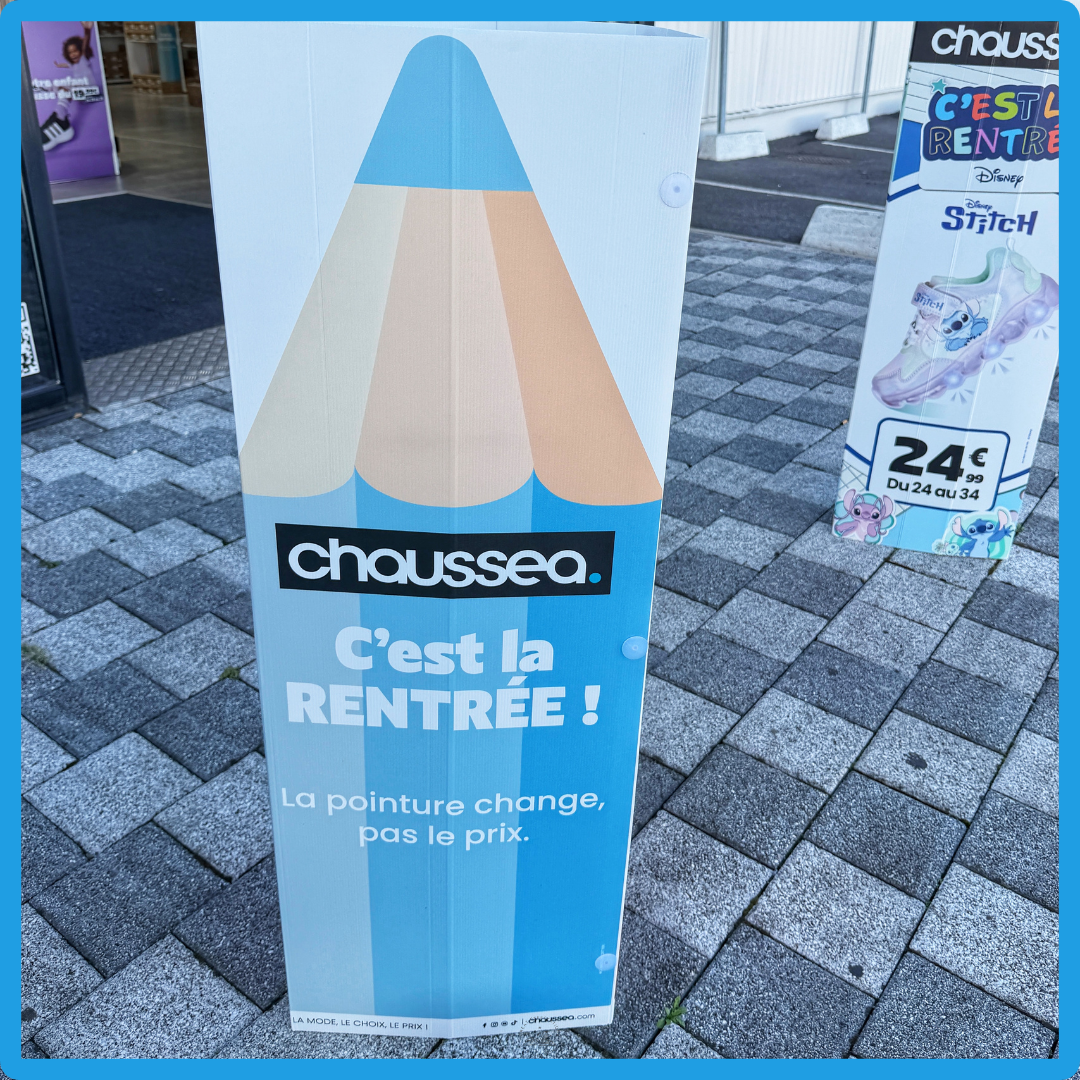
• Anyone about to spend late August or September in France and wondering why every shop window says the same thing.
• Home-educating families, who often meet the French school calendar sideways rather than through a textbook.
• Dyslexic learners, and anyone who holds vocabulary better attached to a scene than to a list.
• Parents and adults reading French news, where the word turns up in politics and publishing as much as in schools.
• Learners who like the words a language has and English doesn’t.
It won’t suit a learner who is still at the stage of matching single French words to single English ones. This word doesn’t have a single English match, and the whole product is about that. A learner who needs one-to-one pairs will find it unsettling rather than useful.
Why this exists
French has one noun for a national restart, and English divides the same ground between back to school, the new term, the new academic year, the new season, Parliament returning and getting back to normal. Show a learner that directly and you have the clearest possible demonstration that languages don’t map onto each other word for word. A child who has understood ‘la rentrée’ has understood something about translation as well as about French.
How it prints
The large cards print one to a page and are made to come apart - laminate, trim, punch the corner, one binder ring. Numbered, so they go back in order. Laid out on a table, the sense cards show schools, parliament, courts, theatres and publishers arranged round one word.
The single sheet at the back holds the lot on one page. Print it and it’s done. A printer for either form, a laminator and a ring for the deck, which you build yourself.
Related resources
The same everyday group in L’atelier des mots: ‘prérentrée’ (the teachers’ return, a day earlier), ‘rentrer’ (the verb underneath), ‘rentré’ (the same participle as an adjective), and ‘entrer’, ‘entrez’ and ‘entrée’ for the family before the ‘r-’ went on.
‘Prérentrée’ is the natural second purchase, and the two together give a child the whole first week of the French school year in two decks.
Nothing on this root is stocked in the German, Spanish or Italian shops.
The free English card on ‘la rentrée’ in the Wordhord is the companion piece, written for a curious English reader rather than a French learner. It covers what English has done with the word.
Available now as a PDF download.
Where the word comes from
‘Rentrée’ is the feminine past participle of ‘rentrer’ used as a noun, and French has had it since the 1200s - the same move that turned ‘entrer’ into ‘entrée’ a century earlier. Its plain sense is a going-back-in: ‘la rentrée des joueurs’ is the players coming back out after half time. Its second sense is the resumption of activity after a break, and in France almost everything has one. Parliament has a rentrée. The law courts have one. The theatres have one. Publishers hold their new novels back and release them together, and that is ‘la rentrée littéraire’. Used on its own, with nothing after it, ‘la rentrée’ is the whole period: ‘nous verrons cela à la rentrée’ means we’ll deal with that in September.
What’s included
• The etymology comic - large illustrated cards, one idea to a card, from Latin ‘intra’ through to a spacecraft coming back into the atmosphere.
• The word-history breakdown, Proto-Indo-European to modern French, dated at each stage the record allows.
• The senses cards: the plain going-back-in, ‘la rentrée des classes’, the parliamentary and judicial and theatrical rentrées, and ‘la rentrée littéraire’.
• The absolute-use card: ‘à la rentrée’ on its own, meaning in September, when everything starts again.
• The phrase card: ‘la rentrée atmosphérique’, a spacecraft coming back in.
• The sources page and the how-to-use guide for the adult.
• Pronunciation respellings on every French and Latin form.
For personal use in home education and tutoring only.
Who it’s for
• KS3 and KS4 French learners, around school, the calendar and daily life.
• Anyone about to spend late August or September in France and wondering why every shop window says the same thing.
• Home-educating families, who often meet the French school calendar sideways rather than through a textbook.
• Dyslexic learners, and anyone who holds vocabulary better attached to a scene than to a list.
• Parents and adults reading French news, where the word turns up in politics and publishing as much as in schools.
• Learners who like the words a language has and English doesn’t.
It won’t suit a learner who is still at the stage of matching single French words to single English ones. This word doesn’t have a single English match, and the whole product is about that. A learner who needs one-to-one pairs will find it unsettling rather than useful.
Why this exists
French has one noun for a national restart, and English divides the same ground between back to school, the new term, the new academic year, the new season, Parliament returning and getting back to normal. Show a learner that directly and you have the clearest possible demonstration that languages don’t map onto each other word for word. A child who has understood ‘la rentrée’ has understood something about translation as well as about French.
How it prints
The large cards print one to a page and are made to come apart - laminate, trim, punch the corner, one binder ring. Numbered, so they go back in order. Laid out on a table, the sense cards show schools, parliament, courts, theatres and publishers arranged round one word.
The single sheet at the back holds the lot on one page. Print it and it’s done. A printer for either form, a laminator and a ring for the deck, which you build yourself.
Related resources
The same everyday group in L’atelier des mots: ‘prérentrée’ (the teachers’ return, a day earlier), ‘rentrer’ (the verb underneath), ‘rentré’ (the same participle as an adjective), and ‘entrer’, ‘entrez’ and ‘entrée’ for the family before the ‘r-’ went on.
‘Prérentrée’ is the natural second purchase, and the two together give a child the whole first week of the French school year in two decks.
Nothing on this root is stocked in the German, Spanish or Italian shops.
The free English card on ‘la rentrée’ in the Wordhord is the companion piece, written for a curious English reader rather than a French learner. It covers what English has done with the word.
Available now as a PDF download.