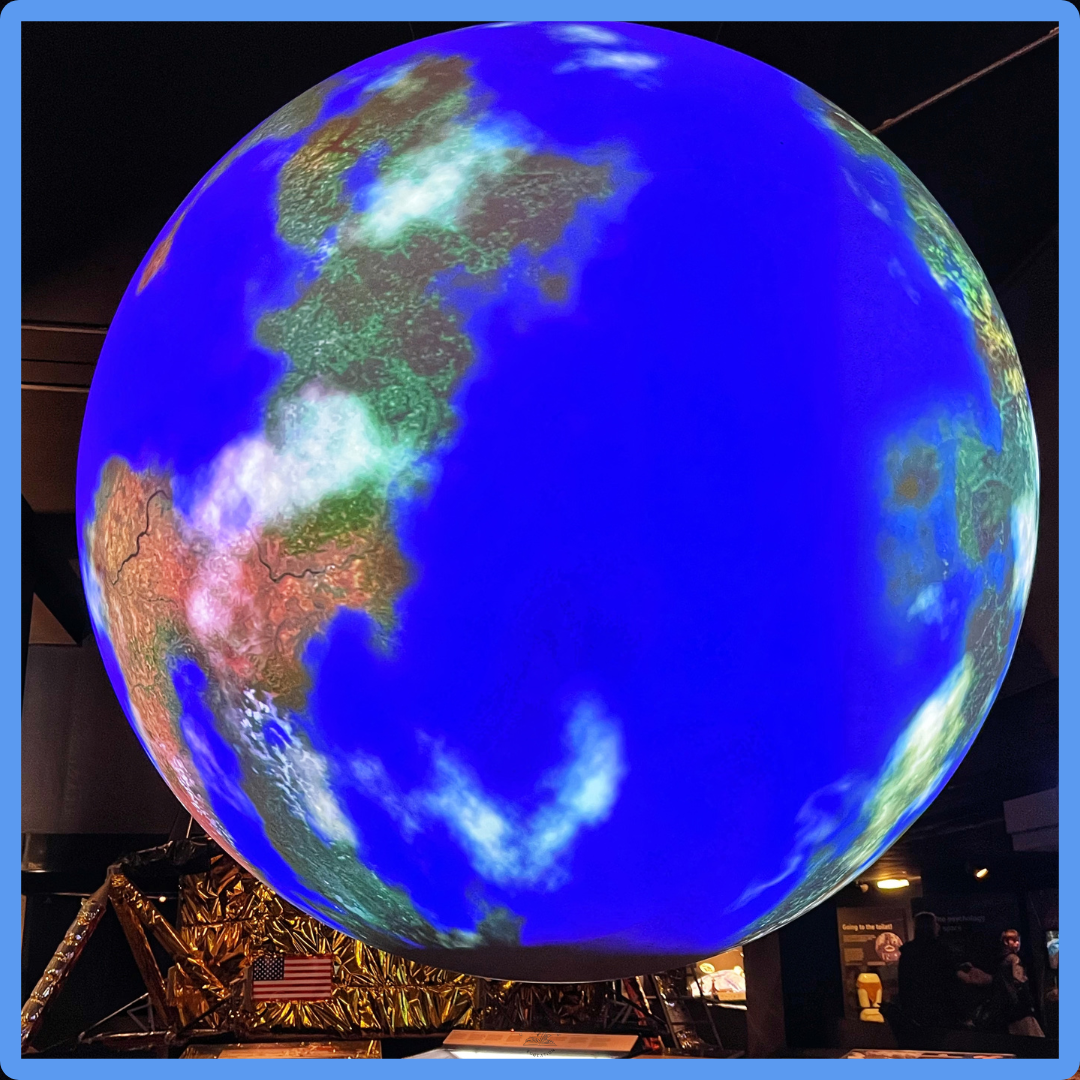
English, French and Spanish all call the school subject by its Greek name. German has the Greek word too, but it isn't what appears on a German school timetable.
Once a learner can see what 'Erdkunde' is made of, the meaning can be worked out instead of memorised. The same pieces also settle a grammar question for a whole group of German school subjects.
The word sum. A classroom panel taking 'Erdkunde' apart into the two everyday German words it's built from.
The gender pattern. A timetable panel showing why a set of German school subjects all share one gender.
Words built on 'Erdkunde'. What German calls the geography teacher and the lesson.
The word's history. The older German names for the subject, with a date at each stage the record gives.
A sources page and a short guide for the adult.
For personal use in home education and tutoring only.
KS3 and KS4 German learners
Home-educated children doing German
Anyone who likes working out how German builds long words from short ones
Specialist tuition students, including dyslexic learners
Parents learning German next to their child
Adults coming back to German
The timetable panel expects the learner to know already that 'der', 'die' and 'das' mark gender. A child who hasn't met gender yet will follow the word sum but not the grammar point.
Nothing in 'Erdkunde' looks like 'geography', so a learner can't lean on English to remember it. Taking the word apart changes that, and answers a gender question for a whole group of subjects at the same time.
Originally created for my dyslexic son.
The PDF gives you two things to print. The first is a set of large cards, one idea each. Laminated and hole-punched onto a ring, they make a deck to keep in a bag or spread out at the dinner table. The deck doesn't come ready-made; laminating, trimming and binding are yours to do. The second is a single sheet at the end, which needs nothing doing to it once printed. You'll need a printer, and for the deck a laminator and a binder ring.
Available now as a PDF download.
English, French and Spanish all call the school subject by its Greek name. German has the Greek word too, but it isn't what appears on a German school timetable.
Once a learner can see what 'Erdkunde' is made of, the meaning can be worked out instead of memorised. The same pieces also settle a grammar question for a whole group of German school subjects.
The word sum. A classroom panel taking 'Erdkunde' apart into the two everyday German words it's built from.
The gender pattern. A timetable panel showing why a set of German school subjects all share one gender.
Words built on 'Erdkunde'. What German calls the geography teacher and the lesson.
The word's history. The older German names for the subject, with a date at each stage the record gives.
A sources page and a short guide for the adult.
For personal use in home education and tutoring only.
KS3 and KS4 German learners
Home-educated children doing German
Anyone who likes working out how German builds long words from short ones
Specialist tuition students, including dyslexic learners
Parents learning German next to their child
Adults coming back to German
The timetable panel expects the learner to know already that 'der', 'die' and 'das' mark gender. A child who hasn't met gender yet will follow the word sum but not the grammar point.
Nothing in 'Erdkunde' looks like 'geography', so a learner can't lean on English to remember it. Taking the word apart changes that, and answers a gender question for a whole group of subjects at the same time.
Originally created for my dyslexic son.
The PDF gives you two things to print. The first is a set of large cards, one idea each. Laminated and hole-punched onto a ring, they make a deck to keep in a bag or spread out at the dinner table. The deck doesn't come ready-made; laminating, trimming and binding are yours to do. The second is a single sheet at the end, which needs nothing doing to it once printed. You'll need a printer, and for the deck a laminator and a binder ring.
Available now as a PDF download.