

L’atelier des mots
Structured French vocabulary for KS3-KS4 learners who find words hard to hold on to
Your child has learnt 'beaucoup' for the test. They can say it. But on the page it's seven letters that don't match the sound, and by next week the word and its spelling have come apart again - if they stuck at all. French is hard to hold on to partly because it doesn't look the way it sounds. Endings fall silent, letters do nothing you can hear, and a learner who already finds reading effortful is being asked to remember a shape that seems to have no relationship to the word they say out loud. Or you're teaching French at home, going over the same word three lessons running and watching it slip away each time.
There's a reason French looks the way it does. French spelling was largely fixed around the way the language sounded eight or nine hundred years ago, and it has stayed close to that ever since while the spoken language carried on changing underneath it. The silent endings and the letters that don't seem to do anything aren't random - they're an older pronunciation left on the page, and often a record of where the word came from. So the difficulty isn't that French is illogical. It's that the logic is historical, and a struggling reader can't see it without being shown.
How the packs work
The packs in L'atelier des mots work with that. Instead of asking a learner to memorise the whole word, they show how the word is built, where it comes from, and how it connects to others - the roots, the patterns, and the links to English that turn up again and again across French. Once a learner can recognise a root inside a longer word, or spot how a French word connects to one they already know in English, a French word stops being a string of letters that won't behave and becomes something with parts they recognise. This is the same structured approach I use in tuition, applied to French. I'm a specialist literacy teacher and a linguist, and these resources were originally created to support one of my own children's learning. They were shaped through real use - I changed them as I went, based on what helped and what didn't.
The packs are made to be picked up for short sessions. They support whatever else is happening - school French, or a course you're running at home - rather than replacing it.
How the packs print
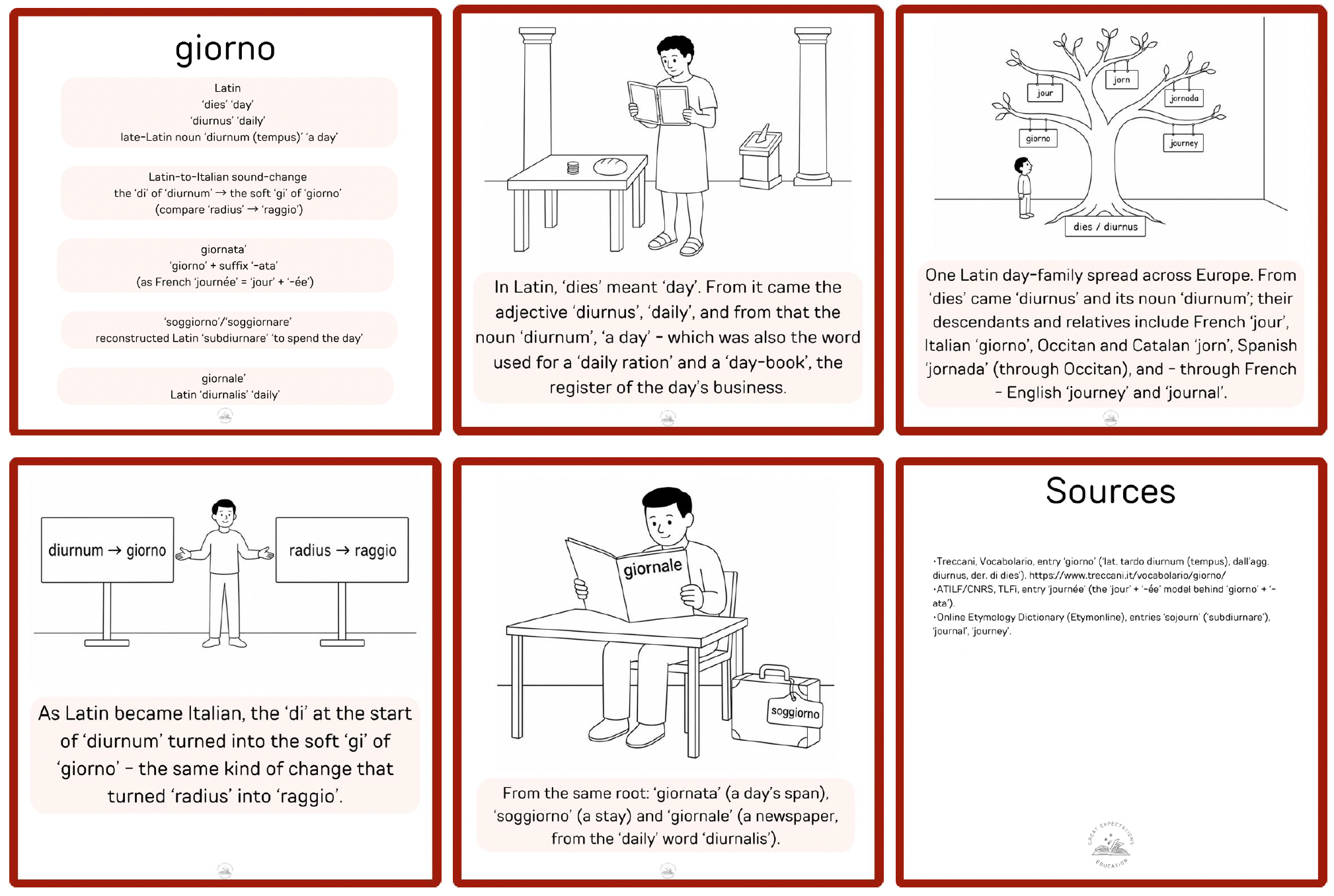
Each pack is a PDF that prints into two forms, and you pick the one that suits you. The large cards - one idea to a page - are made to laminate and clip onto a binder ring, so a child can handle the deck, turn the cards over and lay the stages out in order. The single sheet at the end holds the whole word on one page - print it and it's ready, for the pencil case or the middle of a lesson. You'll need a printer, and a laminator and a ring if you want the deck; the single sheet needs neither. Full instructions are inside each pack.
Why seeing the structure helps vocabulary stay put
For many learners, and particularly those who find reading hard, vocabulary taught as isolated items rarely settles into memory. Teaching words through their structure - their roots, their patterns, the families they belong to - helps recall. The evidence for this is strongest in English, with children and struggling readers, and the application to French is a reasoned extension rather than something proven to the same degree. I've written about where the evidence is strong and where it's more reasoned than proven over in the Compendium.
The French word packs
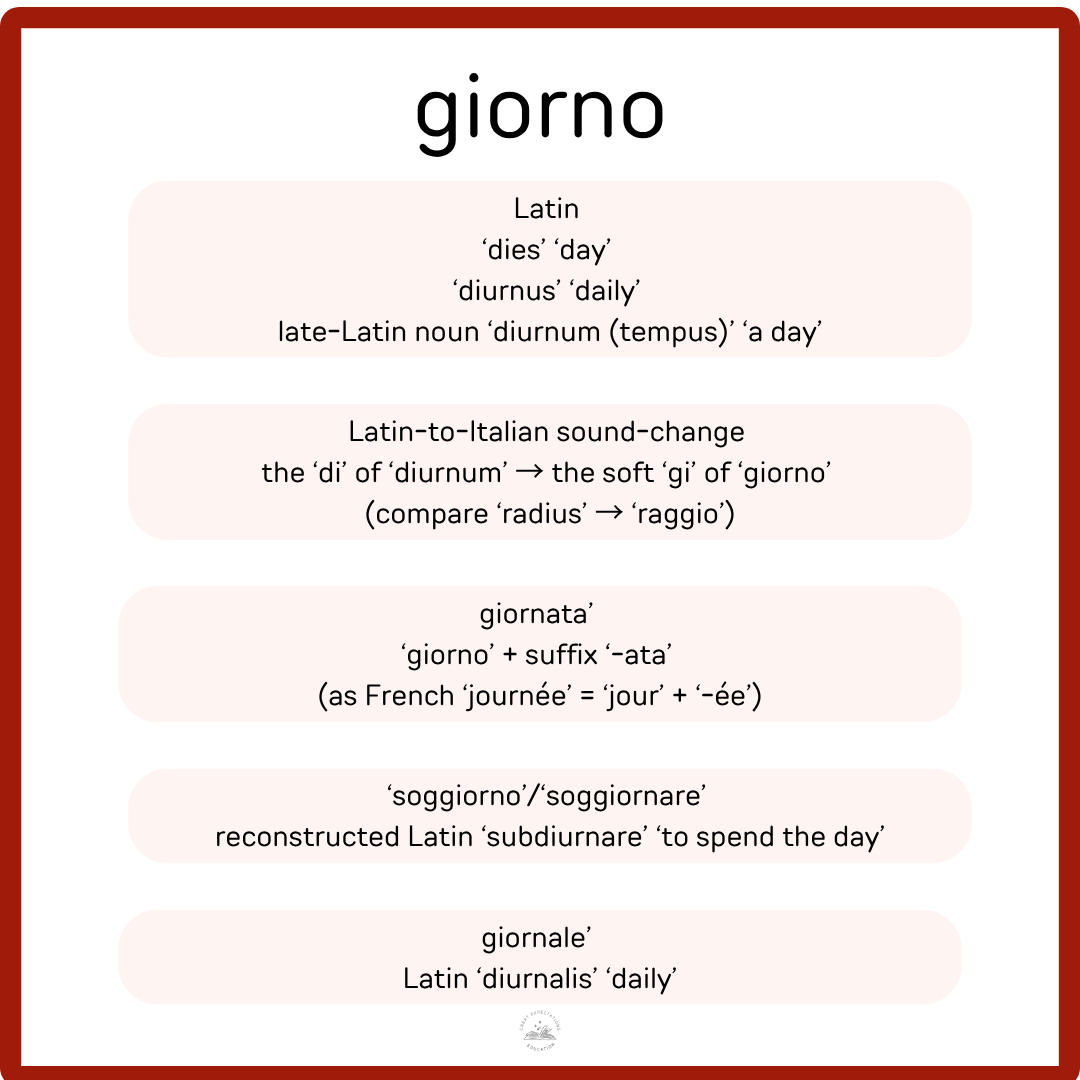
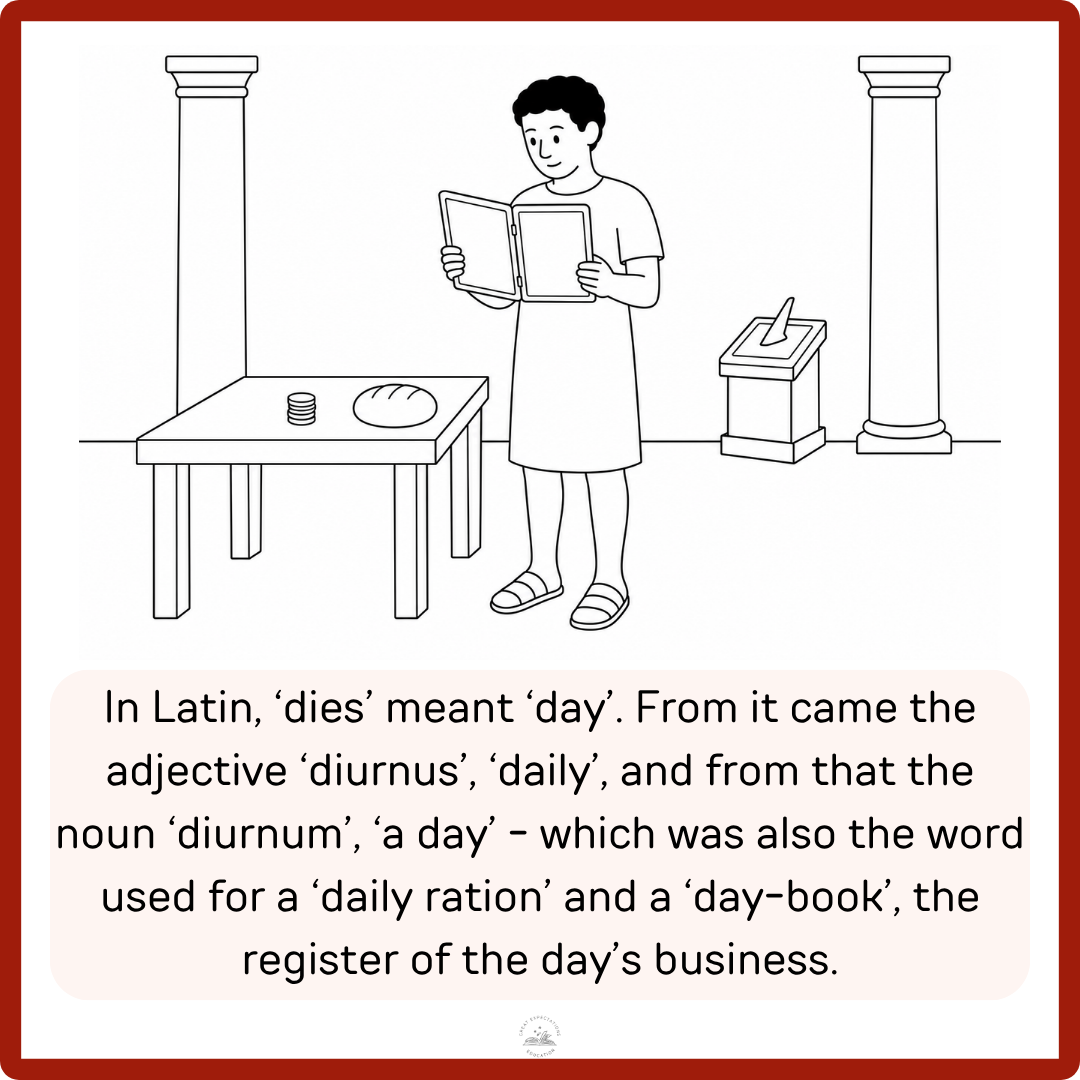
Each pack takes one common French word and makes its structure visible - meaning, roots, and the connections that tie it to other words and to English. The panels are laid out to keep the page uncluttered, so a learner isn't fighting the format as well as the language. Each one is a short printable PDF - a single word broken into its parts, with the meaning and the connected words set out clearly enough to use in one short session. L'atelier des mots is the French branch of The Wordcrafter's Bench, applying the same approach to French - teaching language explicitly and in a clear order, the method known as structured literacy.
Browse the individual packs below. Each is £2. Click any one to see what's inside. If you want to search for an individual word, you can do that by using the search bar.
A free word to try - 'toujours'
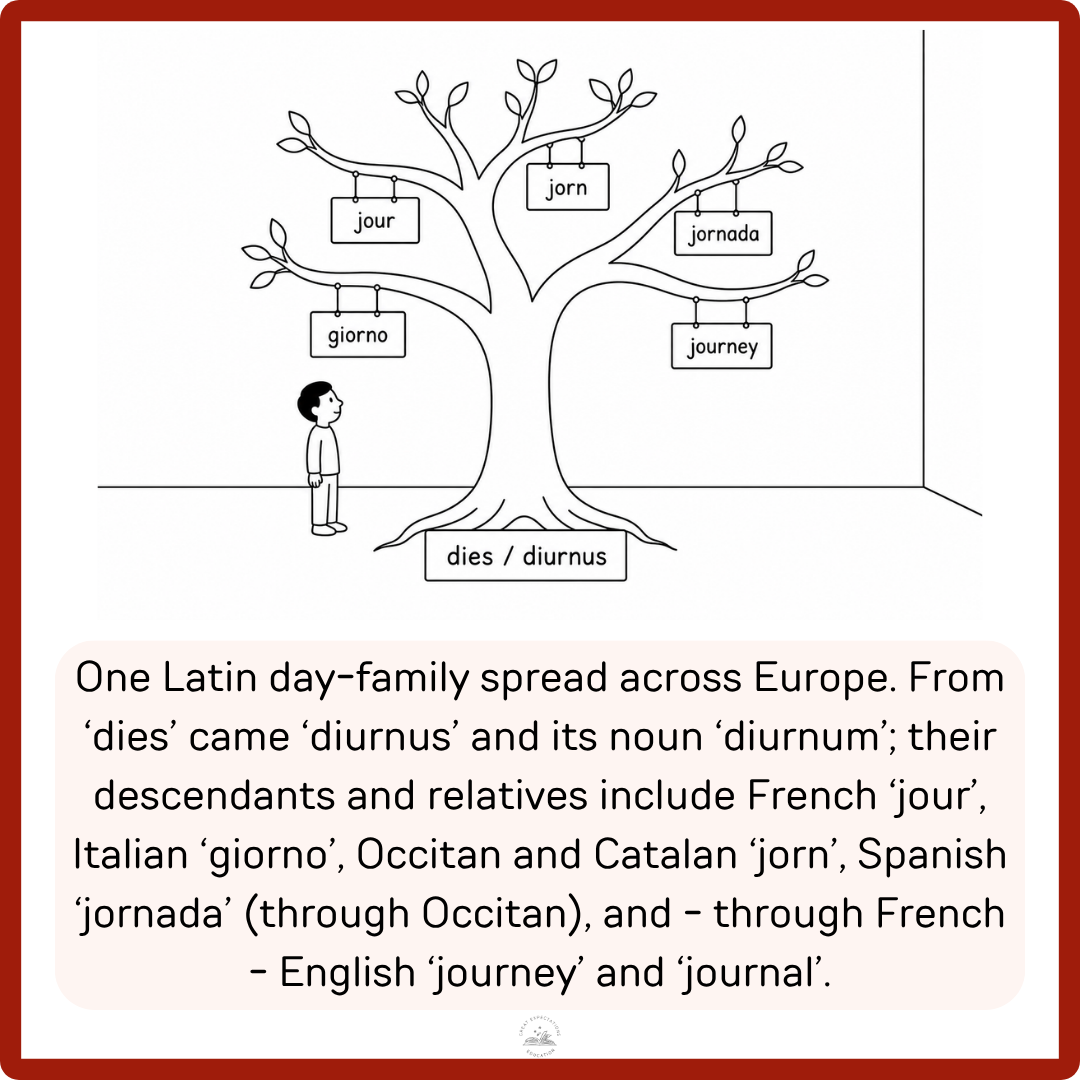
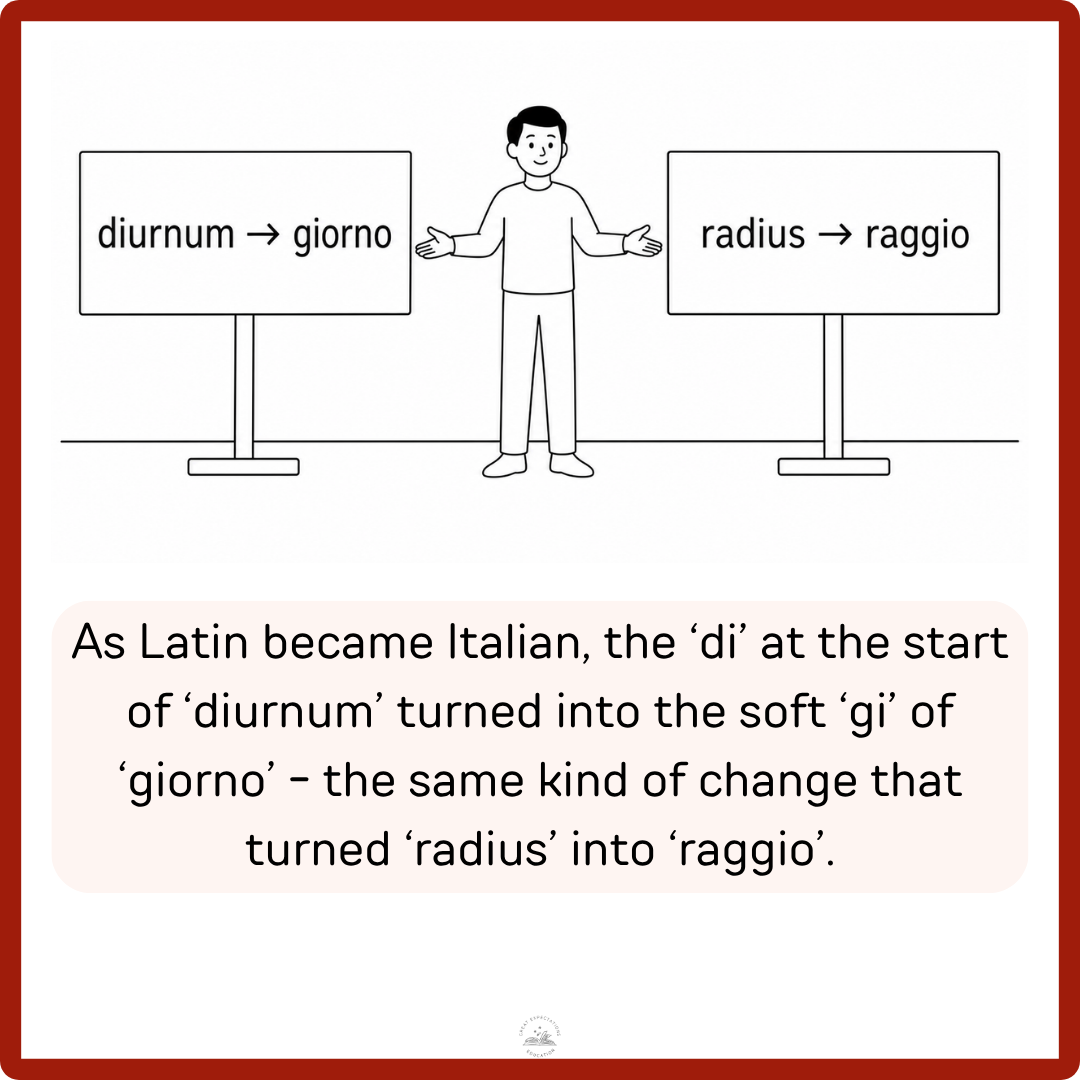
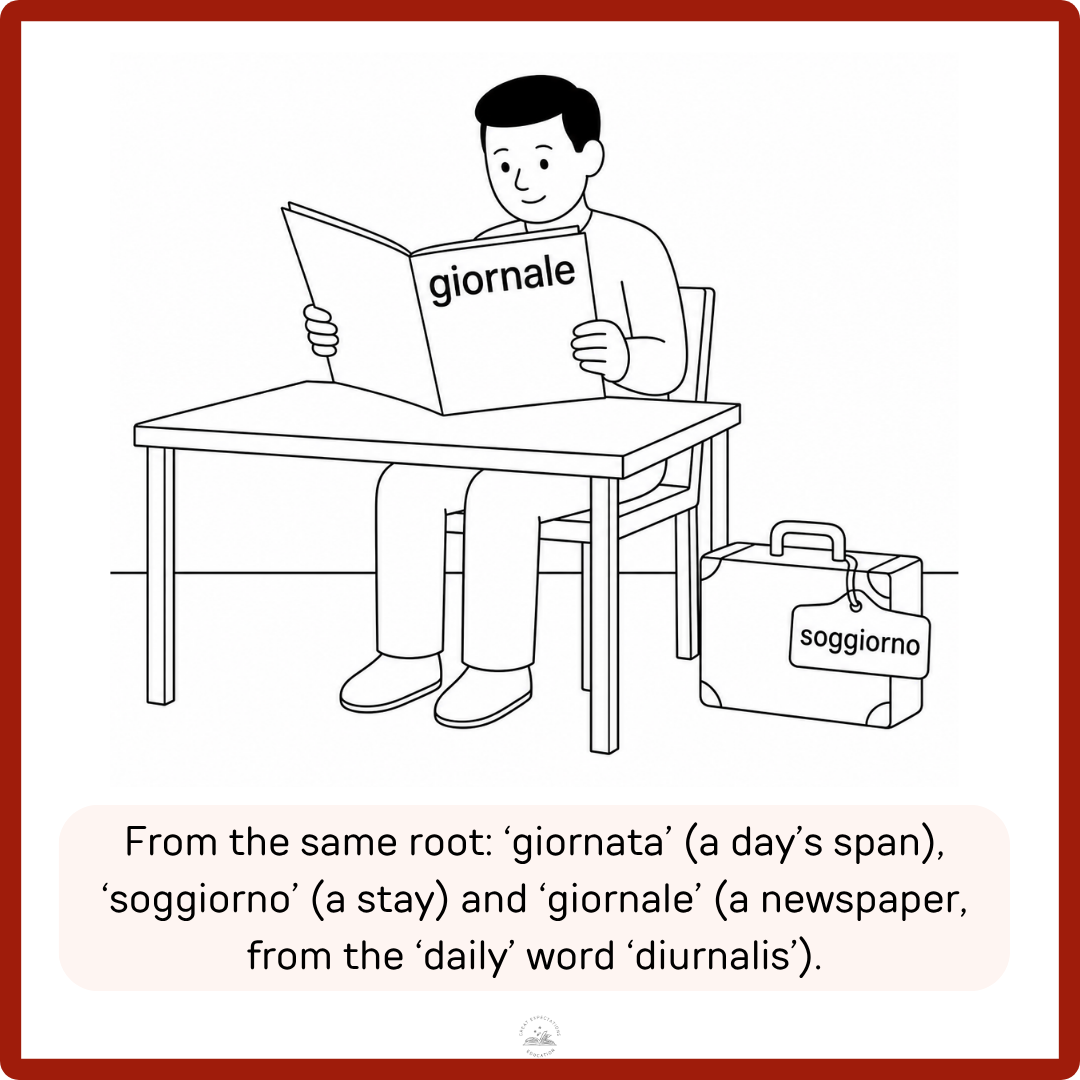
'toujours' is one of those French words that's hard to hold on to - seven letters, three of them silent, and no obvious reason why it means 'always'. This free pack takes it apart. It goes back to the two Latin words hiding inside it, 'totus' ('whole') and a word for 'day', and follows them through Old French to the word a learner meets today - with the English cousins 'total', 'journey' and 'journal' turning up along the way. Same as the paid packs, printed the same two ways. Download it, print it, see if the approach suits your learner before buying anything.


Frequently asked questions
-
Is this suitable for GCSE?
Yes. The packs cover common vocabulary that KS3 and KS4 learners meet right through to GCSE, and they're useful for reinforcing words that need to come back quickly under exam conditions.
-
Are the packs printable?
Yes. Each one is a downloadable PDF, made for printing and for short, structured sessions. It prints two ways - large cards to laminate and ring-bind into a deck, or a single reference sheet.
-
Do I need to be teaching French to use these?
No. Whether your child is learning French at school or you're teaching it at home, the packs work the same way - they make the structure of each word clear enough to use without a language-teaching background.
-
No. They support whatever French teaching is already happening, at school or at home - strengthening understanding and helping vocabulary stay put.
Free Word Histories
Alongside the packs, there are free posts over on The Wordhord exploring individual French words in depth - how a word developed, how its form carries meaning, and how it connects to related vocabulary. They use the same approach as the paid materials: patterns, not just translations.



An empty French classroom with the chairs still upside down on the desks and the board wiped clean. A day before the children come back, the teachers go in. That day has its own word.
Where the word comes from
Three bits stuck together, and it is one of the tidiest word sums in French. ‘Entrer’ is to go in, from Latin ‘intrare’. Put ‘r-’ on the front, around 1140, and you get ‘rentrer’, to go in again. Change the ending and you get ‘la rentrée’, the going back, recorded from the 1200s. Put ‘pré-’ on the front of that, meaning before, and you have ‘la prérentrée’ - the going-back-again that happens before the going-back-again. In 2026 it fell on Monday 31 August, with the children returning on Tuesday 1 September.
What’s included
• The etymology comic - large illustrated cards, one idea to a card, from Latin ‘intra’ through to teachers putting the chairs down in an empty room.
• The word-history breakdown, Proto-Indo-European to modern French, dated at each stage the record allows.
• Pronunciation respellings on every French and Latin form.
For personal use in home education and tutoring only.
Who it’s for
• KS3 and KS4 French learners meeting prefixes as a way of building words rather than a list to learn.
• Learners who already have ‘rentrée’ and are ready to see what French does next with it.
• Home educators who like a word that shows its own construction.
• Dyslexic learners working on morphology, where a long word made of three known pieces is a good deal easier than a long word made of nothing.
• Parents and adults who want to know what French teachers do in the last week of August.
• Anyone teaching prefixes in English who wants a clean parallel from another language.
The learner needs ‘rentrer’ first, or at least ‘rentrée’. The whole product turns on seeing one word inside another, so if the middle piece is missing the word is just five syllables. Buy it last of the seven.
Why this exists
This is the clearest morphology lesson in the French shop and it happens to be about something real. A learner can watch a word being assembled in front of them - go in, go in again, the going-in-again, the one before the going-in-again - and every stage is a word French actually uses. That is what morphology teaching is meant to look like, and few words come apart this cleanly.
How it prints
The large cards print one to a page, single-sided, and go onto a ring after laminating, trimming and punching. For this word the deck has a specific use: deal out the four stage cards in the wrong order and ask a child to rebuild the word.
The single sheet at the end holds the whole thing on one page, print-and-go, no laminating. Printer needed for both; laminator and one binder ring if you want the deck.
Related resources
The rest of the school-year group in L’atelier des mots: ‘rentrée’ first of all, then ‘rentrer’, ‘rentré’, and back before the prefix, ‘entrer’, ‘entrez’ and ‘entrée’.
Bought with ‘rentrée’ this makes a two-deck set on the French school year - the teachers’ day and the children’s day, in that order. All seven decks together run one Latin verb from ‘intra’ to a French classroom in September. No other word family in the shop runs that far.
The free Wordhord card on ‘la rentrée’ mentions the prérentrée and gives the English-language background.
Available now as a PDF download.