

Die Wortwerkbank
Structured German vocabulary for KS3-KS4 learners who find words hard to hold on to
German can feel overwhelming for a learner who already finds reading hard. Long compound words, dense spelling, unfamiliar structures - taught as a list of words to memorise, German vocabulary rarely settles, and what's left is the sense that it's one more thing they're not good at. There's another way in. Instead of asking a learner to hold a whole word in memory, you can show how it's built - its roots, its parts, the patterns it shares with other words, and the links to English that turn up again and again. Once a word has parts a learner recognises, it stops being a string of letters that won't behave and becomes something with a structure they can hold on to.
How the packs work
The packs in Die Wortwerkbank work that way. Each one takes a high-frequency German word and makes its structure visible - meaning, roots, prefixes and suffixes, and the recurring patterns that connect it to other words. By showing the parts, they help a learner recognise familiar elements inside longer words and approach new vocabulary with understanding rather than rote memory. This is the same structured approach I use in tuition, applied to German.
These resources were originally developed for my own dyslexic son, to support his experience of learning German in school. They were shaped through real use: noticing what reduced overload, what supported understanding, and what helped words stay put over time. They're calm, carefully structured, and made to be revisited in short sessions - a support alongside classroom teaching, not a replacement for it.
How the packs print
Each pack is a PDF that prints into two forms. The large cards - one idea to a page - are made to laminate and clip onto a binder ring, so the deck can be handled, turned over and laid out in order. The single sheet at the end holds the whole word on one page, ready to print for quick reference. You'll need a printer, and a laminator and a ring if you want the deck; the single sheet needs neither. Full instructions are inside each pack.
Why German vocabulary can be hard to hold on to
German vocabulary can feel overwhelming - long compound words, dense spelling patterns, unfamiliar grammatical structures. For dyslexic learners in particular, working-memory load and rapid recall demands make isolated word memorisation ineffective. A structured approach reduces that load by making patterns and word-building visible, so a learner meets a new word with parts they already recognise rather than a shape to memorise whole.
Die Wortwerkbank is the German branch of The Wordcrafter's Bench, applying the same structured literacy approach to German. Browse the individual packs below. Each is a low-cost printable PDF built around one high-frequency word. Click any one to see what's inside..
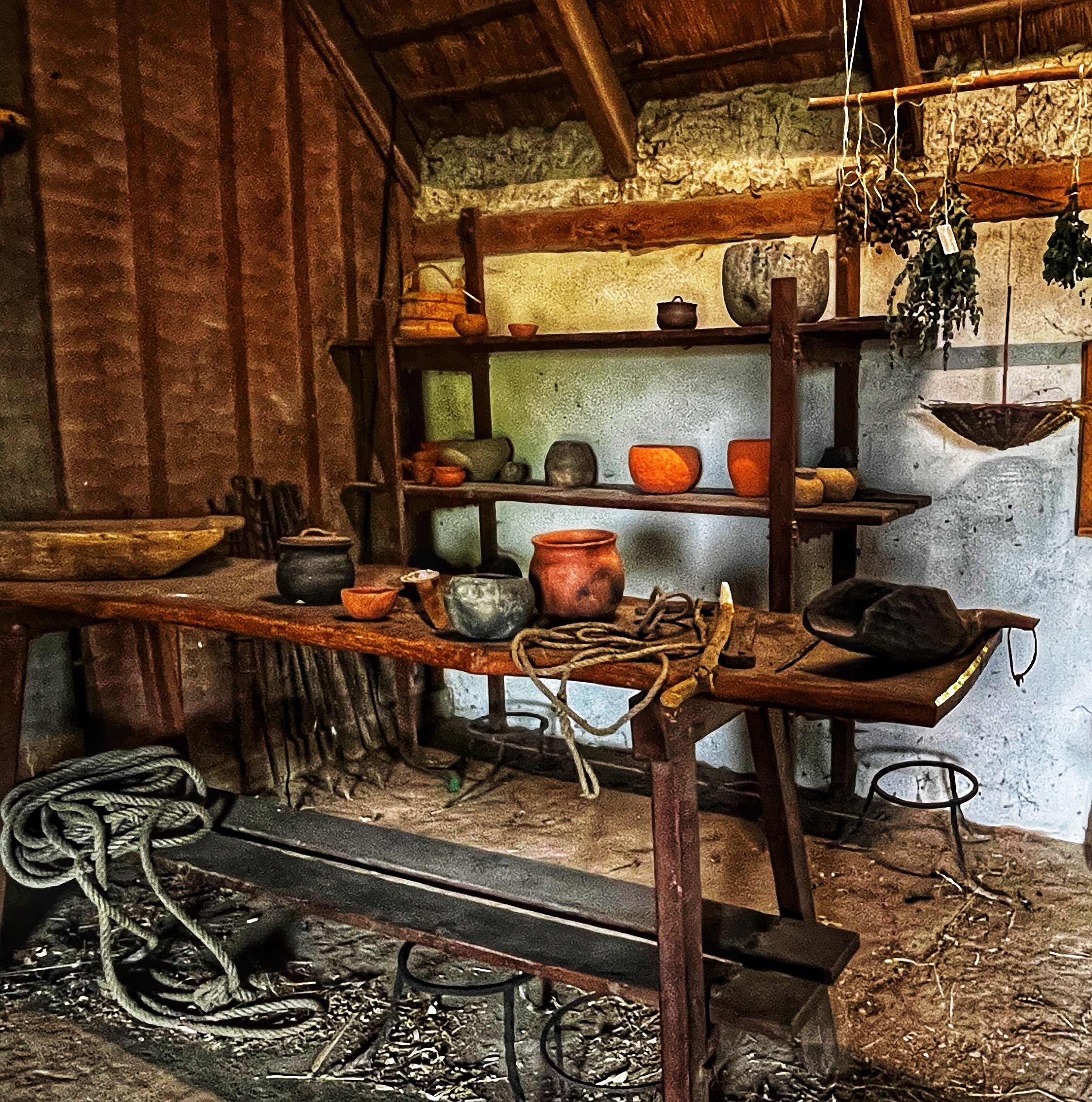
Erde' is the German word for earth. It does four different jobs in German, and it started out with the smallest of them.
Written German has used it since the 700s. In that time the word itself has hardly changed, but what it covers has kept growing.
What's included
The smallest meaning. What 'Erde' meant when it was first written down.
Where 'Erde' stops. The word German sets against 'Erde', and where the line between them falls in a picture.
The English spelling. Three printed sheets showing how English spelled its cousin before settling on 'earth'.
A sources page and a short guide for the adult.
For personal use in home education and tutoring only.
Who it's for
KS3 and KS4 German learners
Home-educated children doing German
Anyone curious about why German words mean what they mean
Specialist tuition students, including dyslexic learners
Parents learning German next to their child
Adults coming back to German
The resource assumes the learner already knows that German nouns are 'der', 'die' or 'das'.
Why this exists
A learner meets 'Erde' meaning one thing in one lesson and something quite different in the next, so it looks like two words to learn. The cards show why it's one.
I first made these for my curious son.
How it prints
The PDF prints two ways. Large cards, one idea to a page, can be laminated and put on a binder ring. That makes a deck to take in a bag or spread across the dinner table. Nothing arrives laminated or bound; you do that part yourself. There's also a single sheet at the end, ready as soon as it comes off the printer. You'll need a printer, and a laminator and ring for the deck.
Available now as a PDF download.
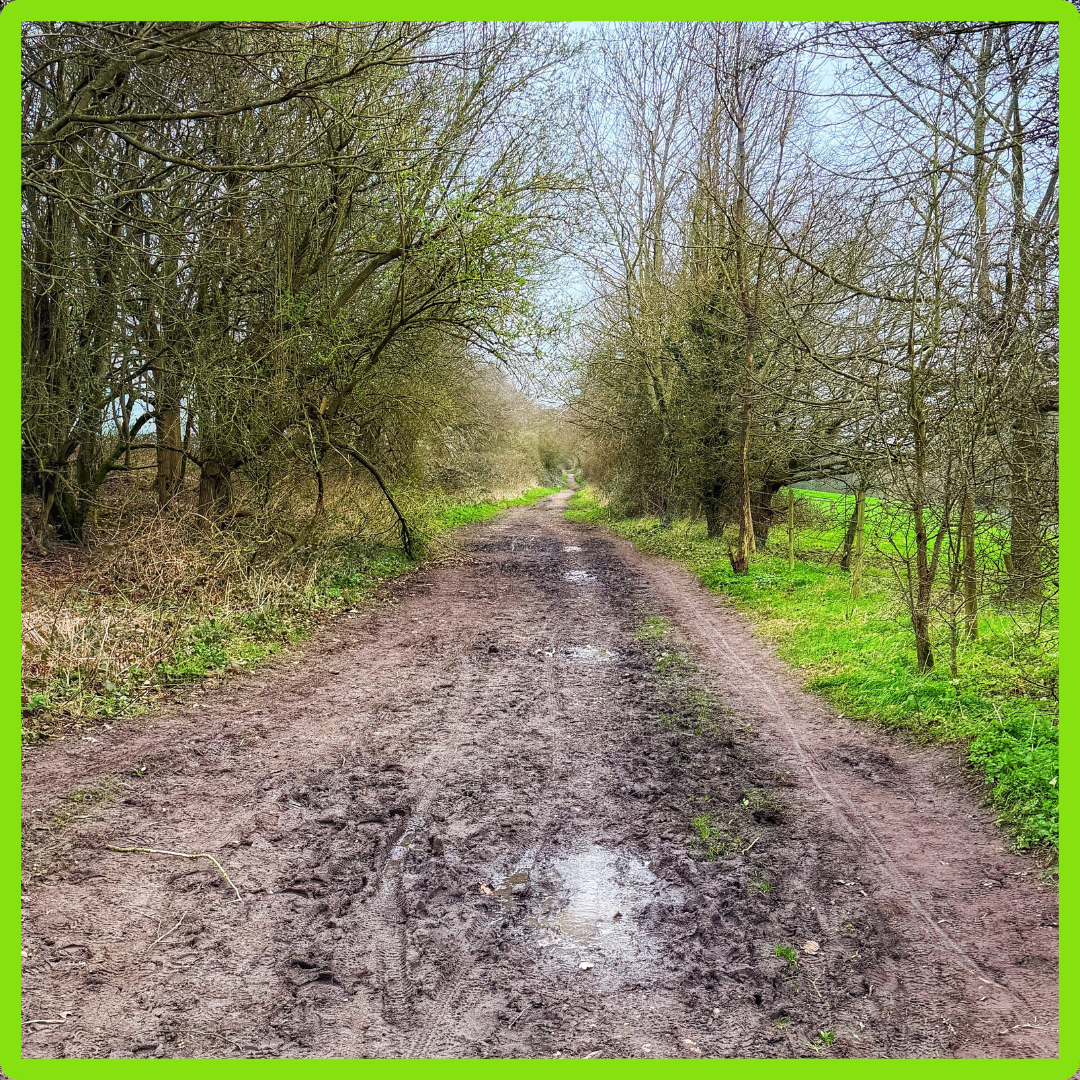
'toll' is what a German says when something is great. It hasn't always been a compliment. Its closest relative in English is a word nobody would use to praise anything.
German still uses both meanings. The older one survives inside a couple of longer words, one of them written on a drawer in an old apothecary's cabinet.
What's included
The oldest meaning. A scene showing the earliest sense of the word that scholars can reconstruct.
One line across the map. Why German says the word with a /t/ when its neighbours say it with a /d/.
The English cousin. The everyday English word that shares its origin, and what it came to mean instead.
A sources page and a short guide for the adult.
For personal use in home education and tutoring only.
Who it's for
KS3 and KS4 German learners
Home-educated children doing German
Anyone curious about why German words mean what they mean
Specialist tuition students, including dyslexic learners
Parents learning German next to their child
Adults coming back to German
The documentl assumes the learner already knows that German nouns are 'der', 'die' or 'das'. Without that, the history still works, but the endings won't make sense.
Why this exists
A learner is told that 'toll' means 'great', then meets it in words and phrases where 'great' makes no sense. The word's history explains those uses, so they don't have to be learnt one by one.
Originally created for my dyslexic son.
How it prints
You can print this PDF in two ways. The first is a set of large cards, one idea to each. Laminated and punched onto a ring, they make a deck for a bag or the dinner table. You laminate and bind the deck yourself, so it doesn't arrive ready to use. The second is a single sheet at the end, which needs nothing more once it's printed. You'll need a printer, plus a laminator and a binder ring for the deck.
Available now as a PDF download.
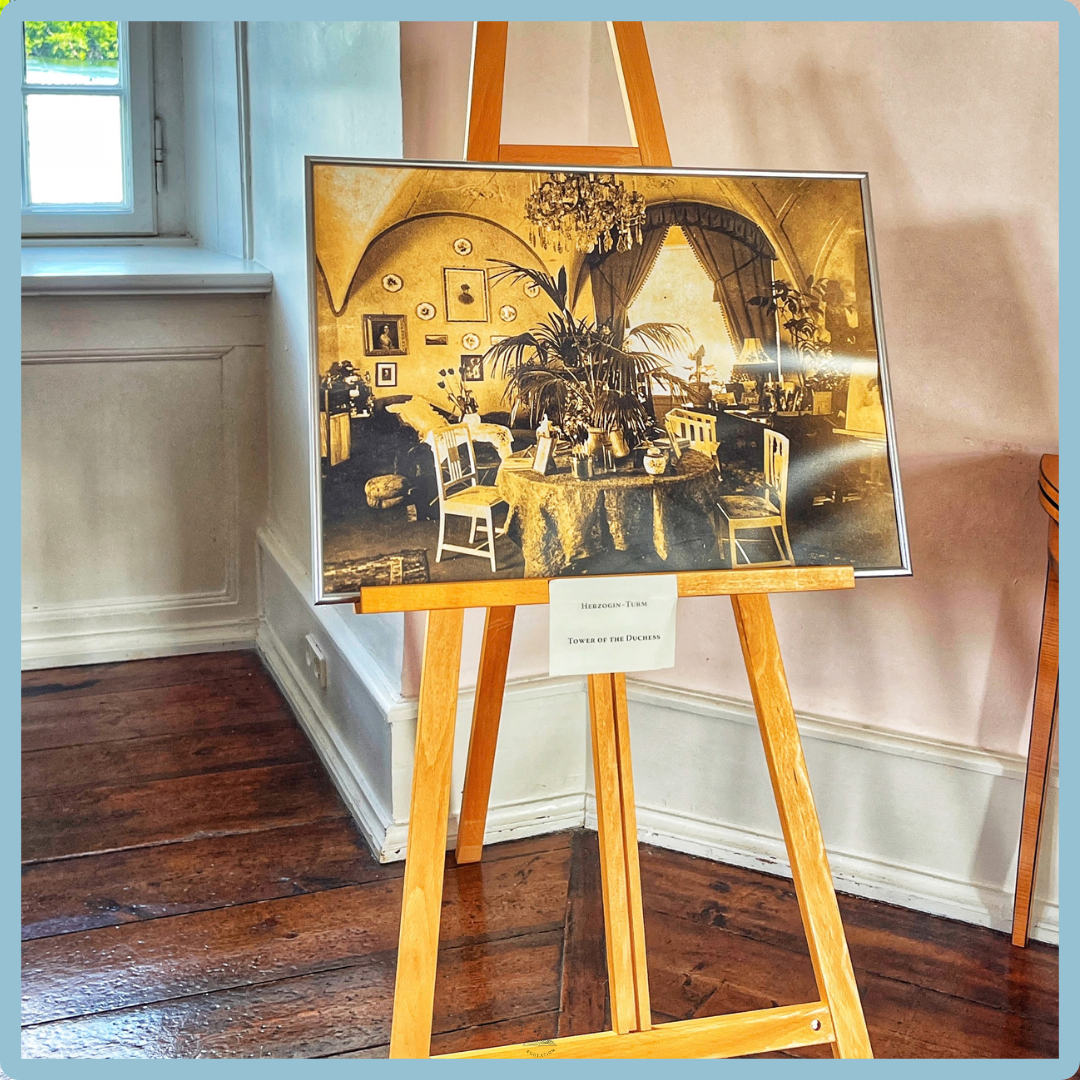
I took this photo in Glücksburg. It shows an old photograph of a room, standing on an easel, with a label reading 'Herzogin-Turm', the Duchess's tower. The German word for art is 'Kunst', and it sounds a lot like the English word 'can'. That isn't a coincidence.
Art is the newest thing 'Kunst' has meant. German still uses the older meanings, in words and phrases that have nothing to do with painting. One of them is printed on a bin lid.
What's included
The English cousins. Four everyday English words that share the word's origin.
The noun pattern. How German turns a verb into a noun, the gender that comes with it, and the ones that break the pattern.
The word's history. From its Indo-European root to modern German, with a date at each stage the record gives.
A sources page and a short guide for the adult.
For personal use in home education and tutoring only.
Who it's for
KS3 and KS4 German learners
Home-educated children doing German
Anyone curious about why German words mean what they mean
Specialist tuition students, including dyslexic learners
Parents learning German next to their child
Adults coming back to German
The noun panel expects the learner to know already that 'der', 'die' and 'das' mark gender, and to recognise 'machen' and 'fahren' as verbs.
Why this exists
A learner meets 'Kunst' as 'art', then keeps finding it in places where art has no obvious part. Once they've seen where the word started, those other uses make sense and stop looking like exceptions.
I first made these for my dyslexic son.
How it prints
There are two ways to print this PDF. The large cards, one idea each, can be laminated and punched onto a ring to make a deck for a bag or the dinner table. You laminate, trim and bind them yourself, so the deck isn't ready-made. The single sheet at the end is ready as soon as it's printed. You'll need a printer, and a laminator and binder ring if you're making the deck.
Available now as a PDF download.
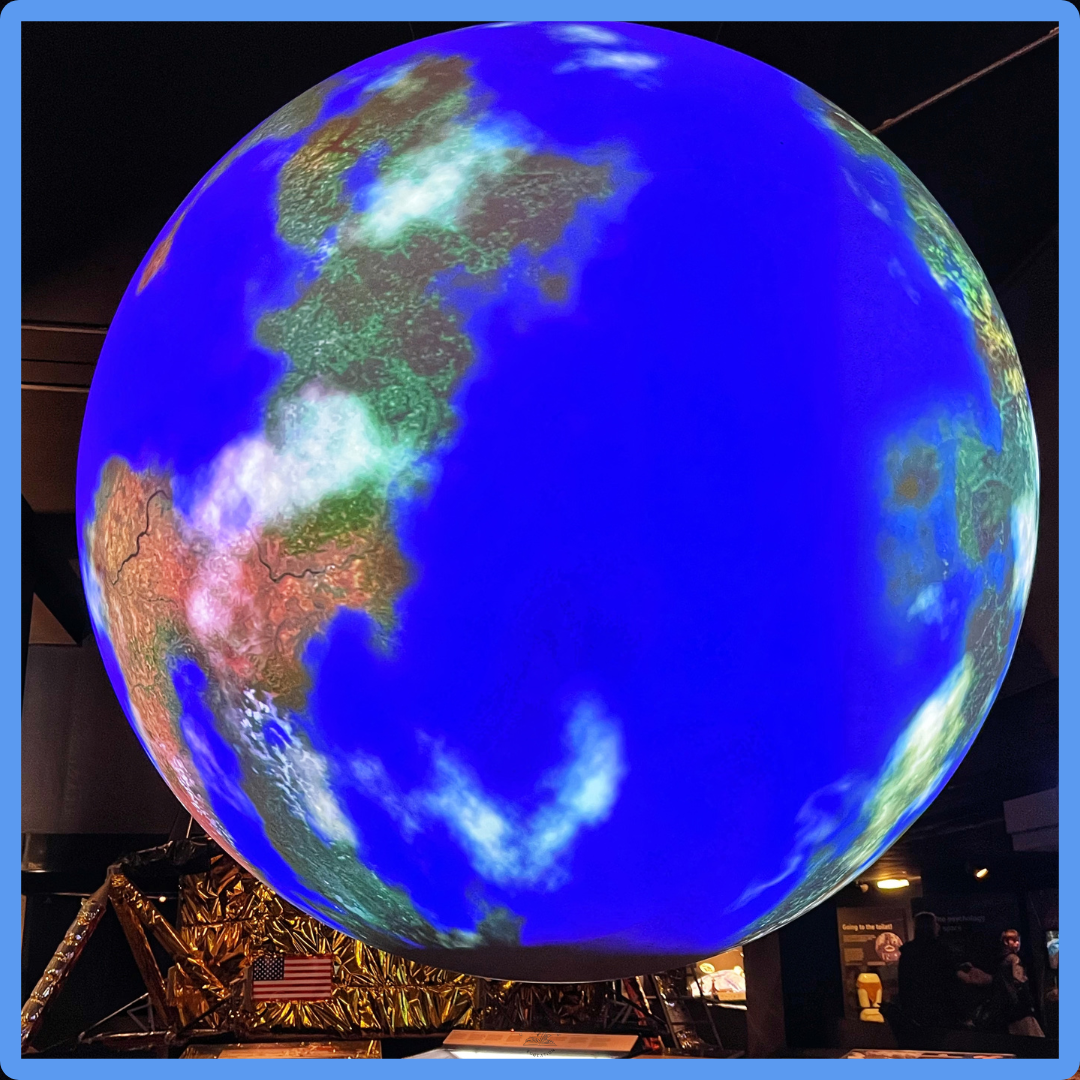
English, French and Spanish all call the school subject by its Greek name. German has the Greek word too, but it isn't what appears on a German school timetable.
Once a learner can see what 'Erdkunde' is made of, the meaning can be worked out instead of memorised. The same pieces also settle a grammar question for a whole group of German school subjects.
What's included
The word sum. A classroom panel taking 'Erdkunde' apart into the two everyday German words it's built from.
The gender pattern. A timetable panel showing why a set of German school subjects all share one gender.
Words built on 'Erdkunde'. What German calls the geography teacher and the lesson.
The word's history. The older German names for the subject, with a date at each stage the record gives.
A sources page and a short guide for the adult.
For personal use in home education and tutoring only.
Who it's for
KS3 and KS4 German learners
Home-educated children doing German
Anyone who likes working out how German builds long words from short ones
Specialist tuition students, including dyslexic learners
Parents learning German next to their child
Adults coming back to German
The timetable panel expects the learner to know already that 'der', 'die' and 'das' mark gender. A child who hasn't met gender yet will follow the word sum but not the grammar point.
Why this exists
Nothing in 'Erdkunde' looks like 'geography', so a learner can't lean on English to remember it. Taking the word apart changes that, and answers a gender question for a whole group of subjects at the same time.
Originally created for my dyslexic son.
How it prints
The PDF gives you two things to print. The first is a set of large cards, one idea each. Laminated and hole-punched onto a ring, they make a deck to keep in a bag or spread out at the dinner table. The deck doesn't come ready-made; laminating, trimming and binding are yours to do. The second is a single sheet at the end, which needs nothing doing to it once printed. You'll need a printer, and for the deck a laminator and a binder ring.
Available now as a PDF download.
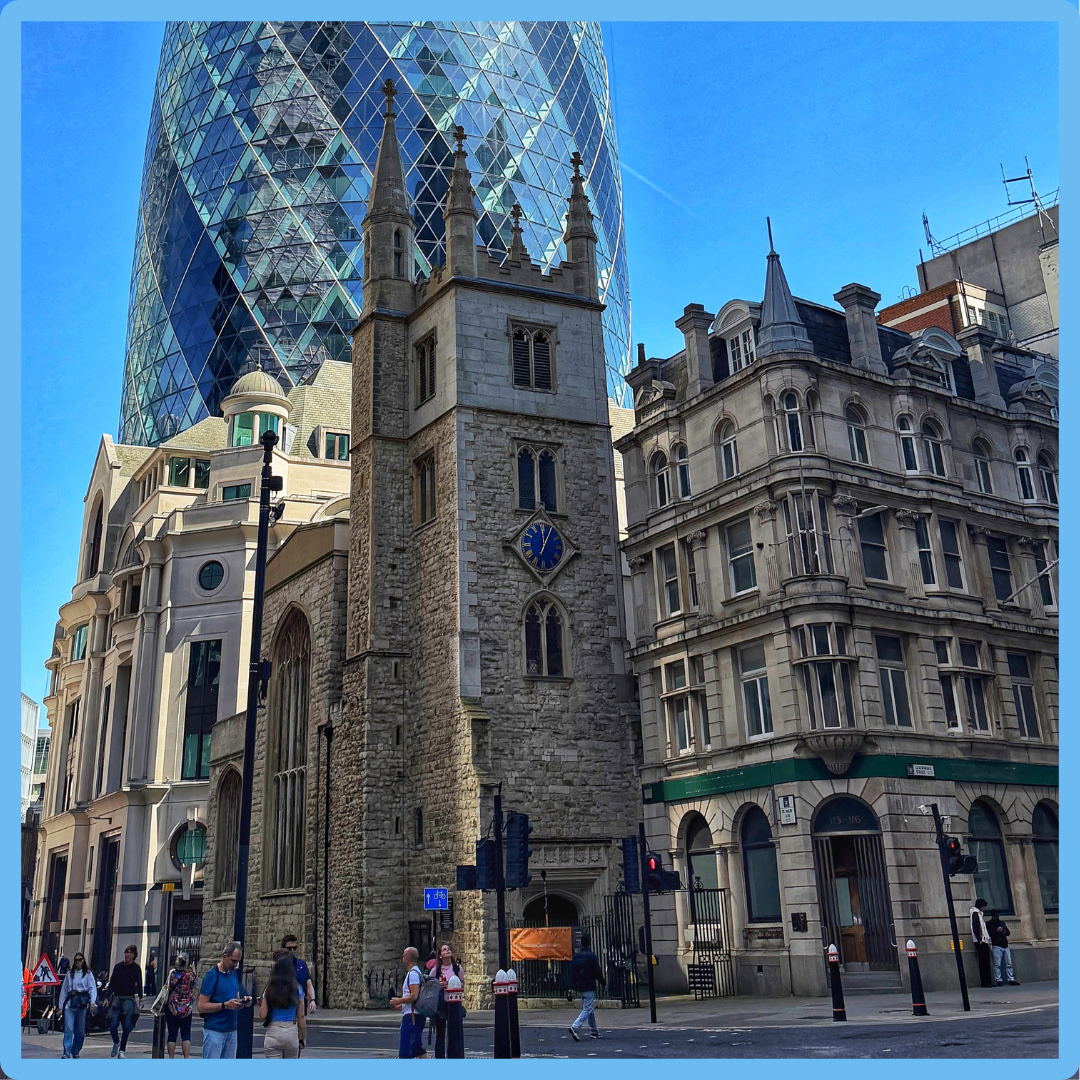
A German child uses one word for the history of a country, for a bedtime story and for a spilt bowl of cereal. That word is 'Geschichte', and it is one of the first a learner meets on a German timetable.
What's included
The etymology comic: black-and-white illustrated panels, one idea each, with short captions. The school subject, the bedtime story and 'mach keine Geschichten!' appear side by side, so the three living meanings are seen as one word.
A word-history breakdown from Old High German to modern German, with a century at every stage the record allows.
English words that look related and are not - 'history', 'story' and 'happen' - drawn as a panel of their own, since this word has no everyday English relative.
A gender picture for 'die Geschichte', built on the word's own '-e' ending.
Pronunciation respellings with IPA, a sources page, and a short guide for the adult.
How it prints
The file prints two ways. The large pages, one idea to each, can be printed single-sided, laminated, trimmed and clipped onto a binder ring, and then it becomes a deck a child turns over at the kitchen table. You put the deck together yourself: you'll need a printer, a laminator and a ring. The last page has the whole word on one sheet, which needs no laminating and can go straight on the fridge.
For personal use in home education and tutoring only.
Who it's for
It suits a wide range of learners:
KS3 and KS4 German learners, and anyone meeting 'Geschichte' on a timetable for the first time
home-educated children learning German
children in specialist tuition, including dyslexic learners and those with weak working memory
parents learning German alongside their child
adults coming back to German after school
anyone who likes to know where a word came from
It isn't a first-lessons resource. It assumes the learner can already read a short German sentence aloud, such as 'Wir haben heute Geschichte', even if they need help with what it means.
Why this exists
A learner who has met 'Geschichte' on a timetable hears a German parent say 'Mach keine Geschichten!' and assumes they misheard. They didn't. The word has three meanings - history, a story, and a bit of trouble - and this puts all three in front of the child at once, so they meet one word rather than three.
I made these for my son when he had a German test coming up.
A further detail
German once had another word on the same root, 'schiht', meaning an event or a stroke of chance. It sounded exactly like the mining word 'Schicht', a layer or a work shift, which comes from somewhere else entirely. The event word died out around 1700; the mining word is still in everyday use.
Related resources
The rest of this set is built on the same word: the verb 'geschehen', 'to happen'; the adjective 'geschichtlich', 'historical'; the compounds 'Geschichtsbuch', 'Geschichtsunterricht', 'Kurzgeschichte', 'Lebensgeschichte', 'Vorgeschichte' and 'Weltgeschichte'; and the phrases 'Geschichte machen', 'mach keine Geschichten!' and 'die unendliche Geschichte'.
Available now as a PDF download.
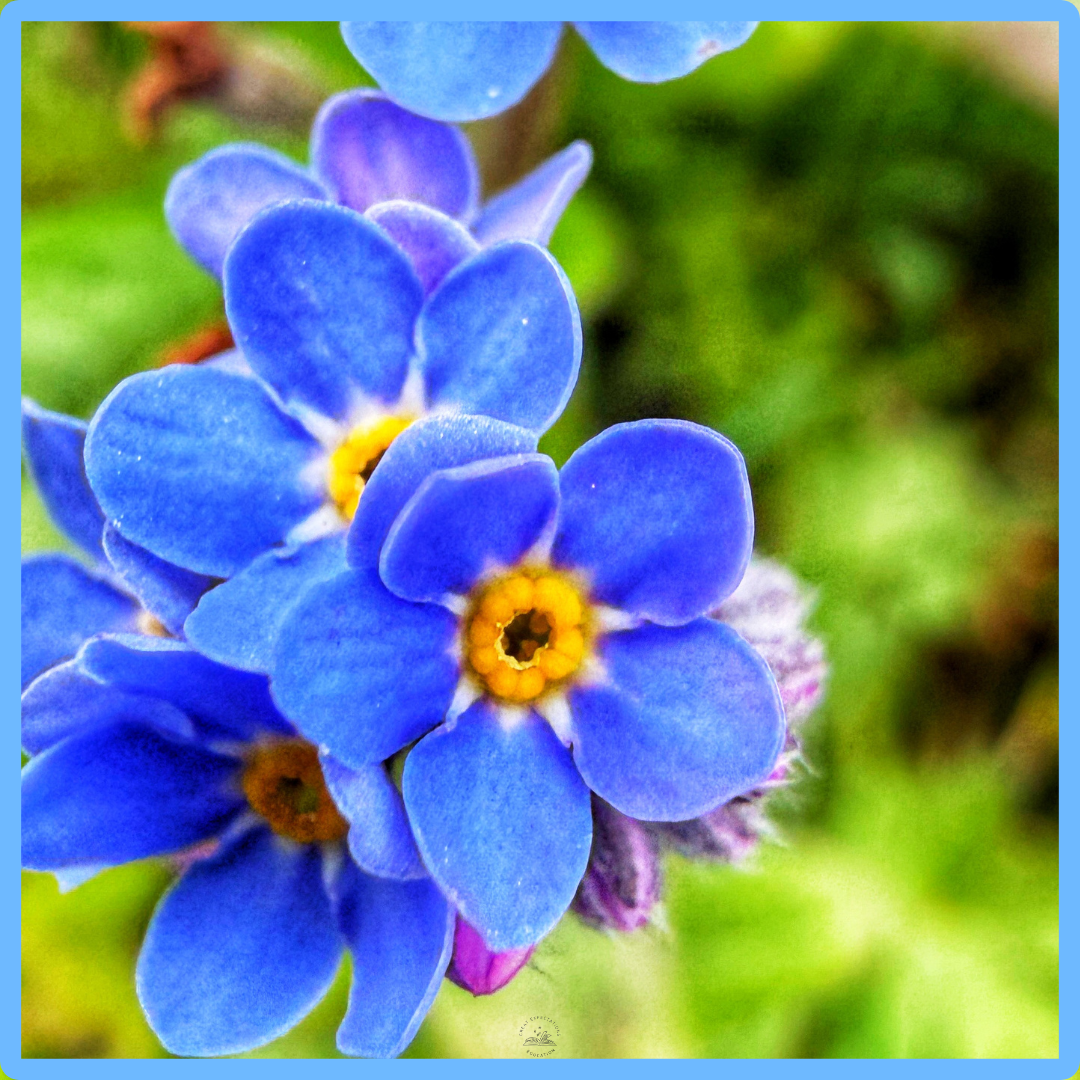
'Lieb' is one of the first German words a learner meets and one of the last they finish understanding. It is dear, kind, good - and in 'Es ist mir lieb' it means something closer to 'that suits me', which no beginner sees coming.
Where the word comes from
'Lieb' goes back through Middle High German 'liep' and Old High German 'liob', around the year 800, to an Indo-European root associated with caring for, desiring and loving. The range was already wide at the start: dear, pleasant, welcome, beloved. English kept the same word as 'lief', now rare, and the root also gives 'love'.
The company it keeps in German is the surprise. 'Glauben' to believe, 'loben' to praise and 'erlauben' to allow are all distant relatives on that root, later branch developments rather than the old core sense - and through 'erlauben' comes 'Urlaub', a holiday.
What's included
· The etymology comic - illustrated stage cards, one idea to a page, with short learner captions and pronunciation respellings on every German form
· The word-history breakdown, Indo-European to modern German, with a date at each stage the record allows
· A grammar page on adjective endings, with 'ein liebes Kind' against 'das Kind ist lieb'
· The sources page
· A short how-to-use guide for the adult
For personal use in home education and tutoring only.
Who it's for
The word turns up from the first term of German onward, so the range is wide:
· Anyone who enjoys word origins
· KS3 and KS4 German learners
· Home-educated children working through German
· Learners with dyslexia or weak working memory
· Parents keeping half a step ahead of a child
· Adults returning to German after school
It is not a first-lesson resource. It assumes the learner can already read a short German sentence aloud and knows what an adjective is, even if they could not define one.
Why this exists
Learners are told 'lieb' means 'dear' and then meet it meaning 'good' about a child and 'welcome' in a fixed phrase, and conclude the word is slippery. It is not. The senses hang together once the old meaning is visible, and seeing them laid out in order is what stops the word feeling like three words wearing one coat.
How it prints
The pages print two ways. Printed single-sided and laminated, they trim into large cards - one idea each - that punch and clip onto a binder ring, so the stages can be laid out on a table and put back in order. The last page holds the whole word on one sheet: print it and it is ready, no laminating. You will need a printer, and a laminator and a ring for the deck.
One more thing
The false friend to know: 'der Leib' means the body, and has nothing to do with 'lieb'. Duden takes it back to Middle High German 'līp', related to 'leben', to live.
I first made these for my dyslexic son before a test.
Available now as a PDF download.
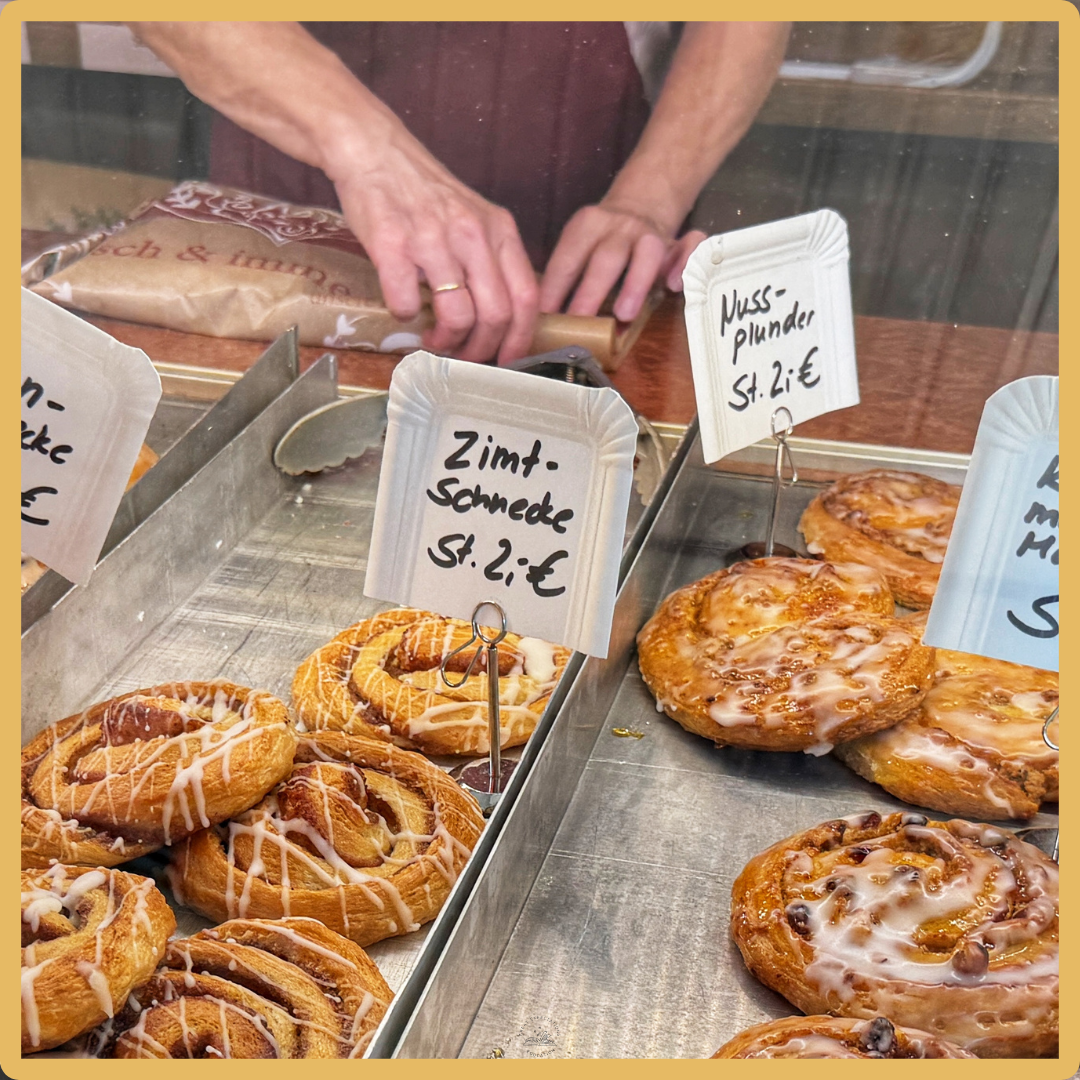
Many learners meet 'mögen' as a row in a table. It goes in for the vocabulary test and it is gone by the following term.
'Mögen' has not meant 'to like' for most of its life. It meant something quite different for around nine hundred years, and the modern sense arrived by a route nobody would predict. The deck walks that change one stage at a time.
What's included
The single sheet: the whole word on one page, ready to print.
The etymology comic: nine illustrated cards, one idea to a page, each with a short learner caption. Two are conjugation panels, at KS3 and KS4. There is a panel on 'mochte' and 'möchte' - a single umlaut, two entirely different meanings, and the mistake almost every learner makes. A cognate map puts the same verb beside its English, Dutch and Swedish relatives. And one card is the near-miss: 'machen' looks like it belongs to this family and does not.
Then the word-history breakdown from Indo-European to modern German, the English-links section, a sources page, and a short how-to-use guide for the adult.
How it prints
Two ways, both the same content.
The quick way: print the single sheet at the end. The whole word is on one page and it needs nothing doing to it. This is the one I use most.
The other way: print single-sided, laminate and trim the large cards and put them on a binder ring. Same material, more preparation, and worth it if you would rather have one idea in front of the child at a time than a whole sheet at once. The cards are numbered so a loose deck goes back together. You will need a laminator and a ring, and you assemble it yourself; there is no ready-made deck.
For personal use in home education and tutoring only.
Who it's for
Parents helping a child revise German; German learners at KS3 and KS4; home-educated children; anyone who likes word histories; dyslexic learners and those with weak working memory; adults picking German back up.
It is not for a learner who has not yet met the German present tense. The conjugation panels assume the learner can already read 'ich', 'du' and 'er', and knows that German verbs change their endings, even if they have not learned this one.
Why this exists
Modal verbs are taught as a table to memorise, and a memorised table is the first thing to go.
'Mögen' has a history attached, and knowing it gives a learner something to hang the word on besides repetition. When 'ich mag' comes round again there is something behind it.
I first made these for my dyslexic son.
Available now as a PDF download.
Frequently asked questions
-
Yes. The packs support KS3 and KS4 learners and are particularly useful for reinforcing high-frequency vocabulary needed for GCSE German.
-
Yes. Each resource is a downloadable PDF. It prints two ways - large cards to laminate and ring-bind into a deck, or a single reference sheet.
-
The packs are designed using structured literacy principles and were developed with dyslexic learners in mind. They also suit many neurodivergent learners who benefit from explicit, structured, visually supported language explanation.
-
No. They support classroom learning by strengthening understanding and retention of German vocabulary.
Free Word Histories
Alongside the packs, there are free posts over on The Wordhord exploring individual words in depth - how a word developed, how its form carries meaning, and how it connects to related vocabulary. They use the same approach as the paid materials: patterns, not just translations.
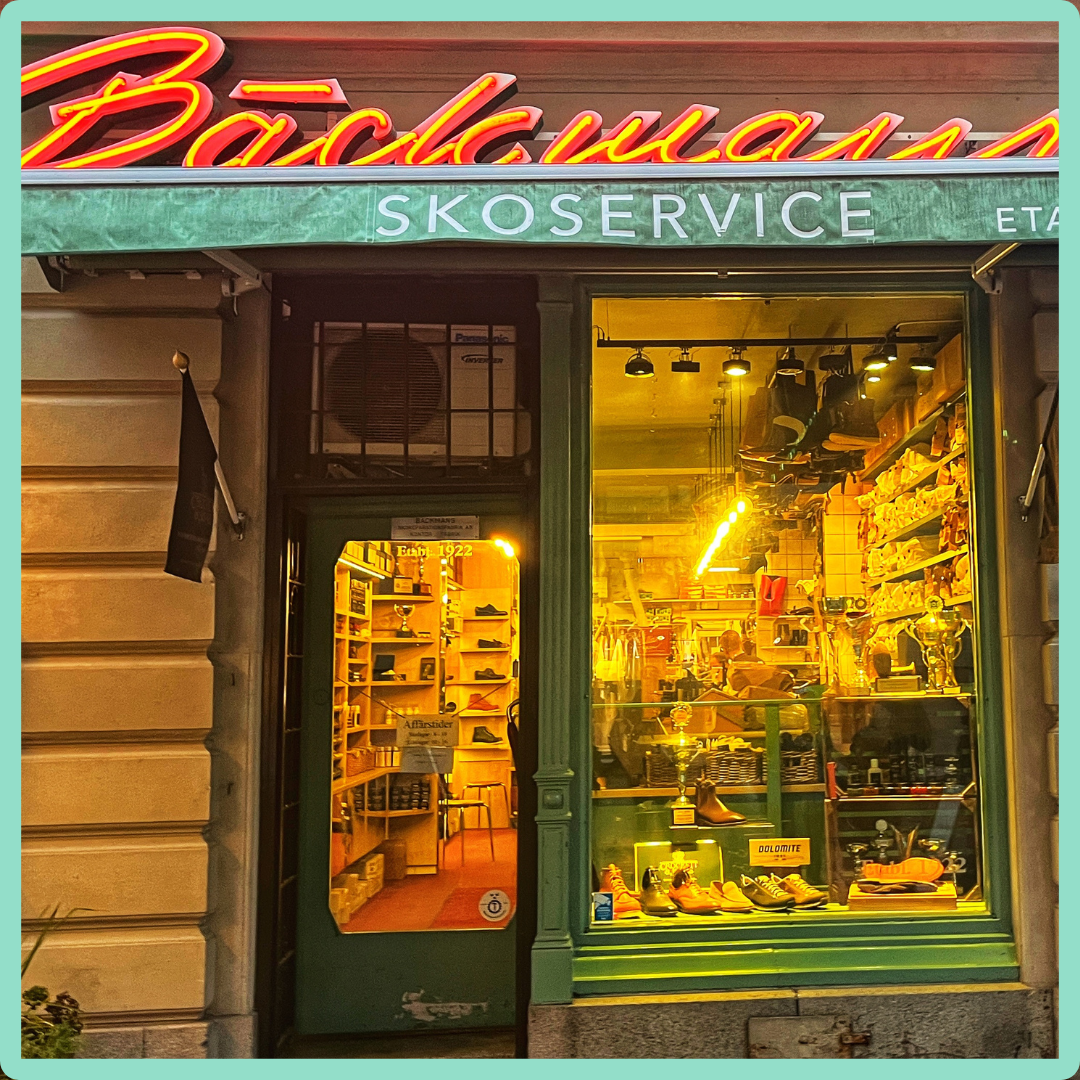
From Old English ‘scoh’ to modern ‘shoe’ — a word that has barely moved in meaning for over a thousand years. Germanic stability, Romance divergence.
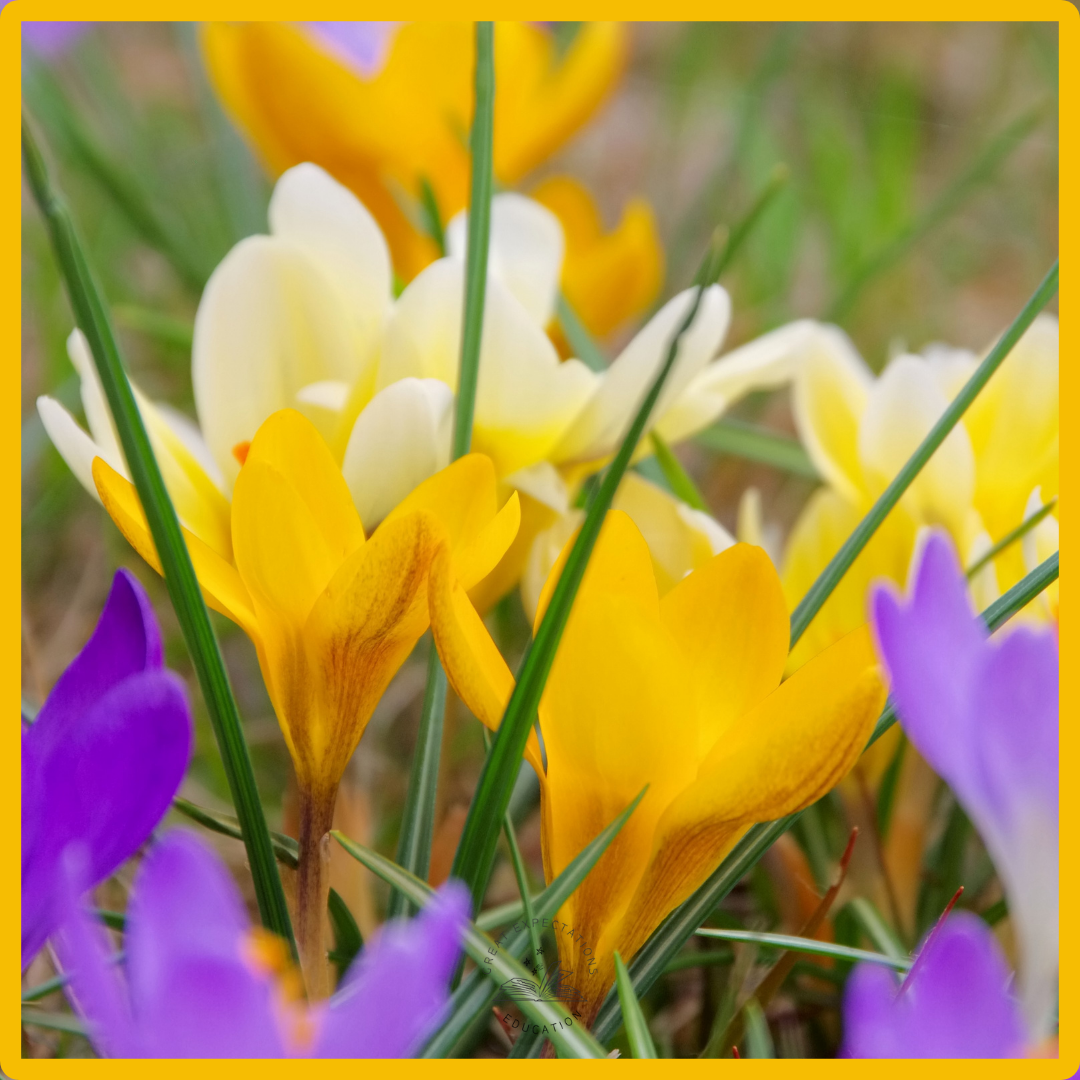
Crocuses appeared on the village green after weeks of cold rain. Their name, it turns out, travelled much further than the flower itself — from Greek ‘krokos’ meaning saffron into Middle English almost unchanged.
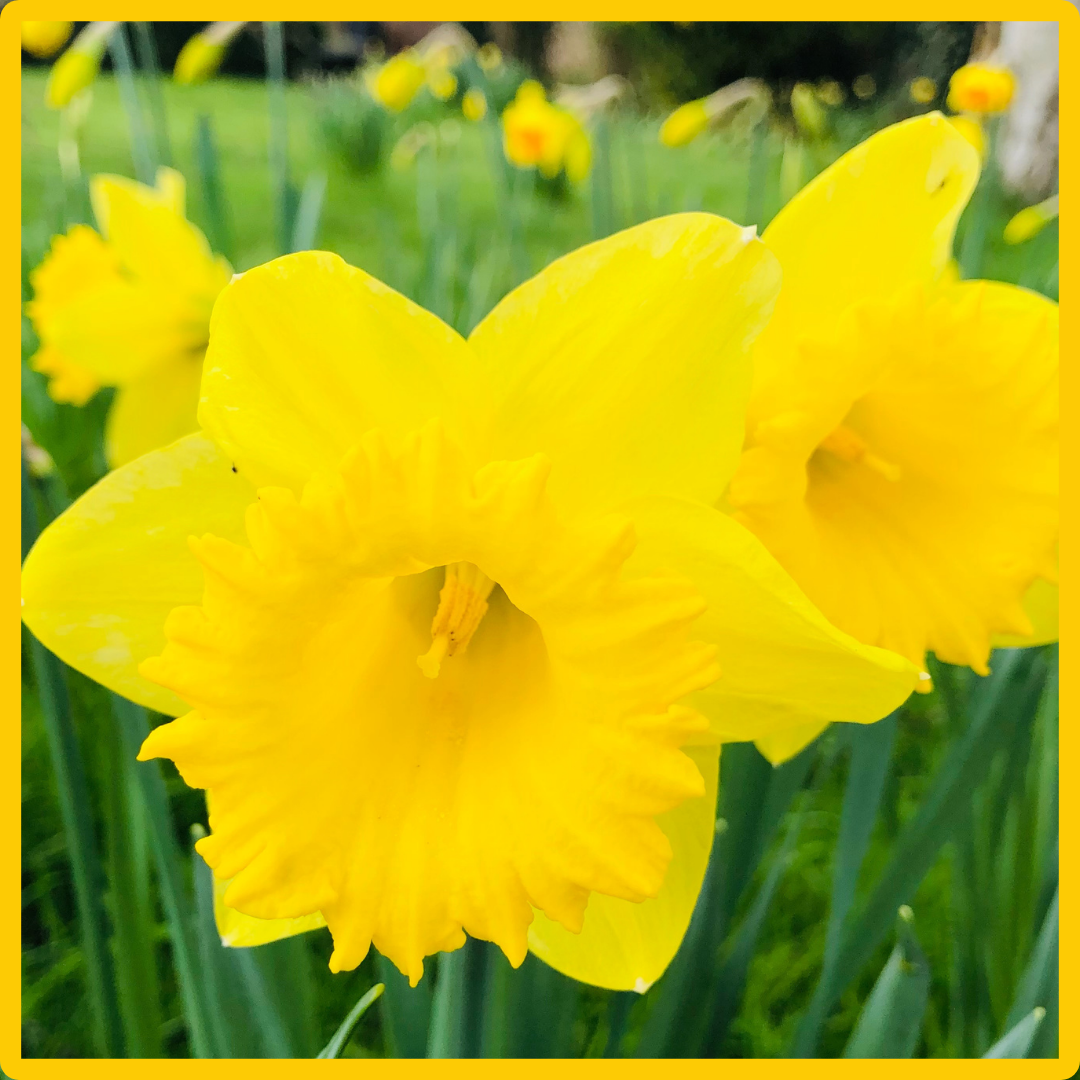
From Greek ‘asphodelos’ to botanical ‘narcissus’, the daffodil carries two naming traditions: one classical, one seasonal. A spring flower shaped by trade, myth, and morphology.
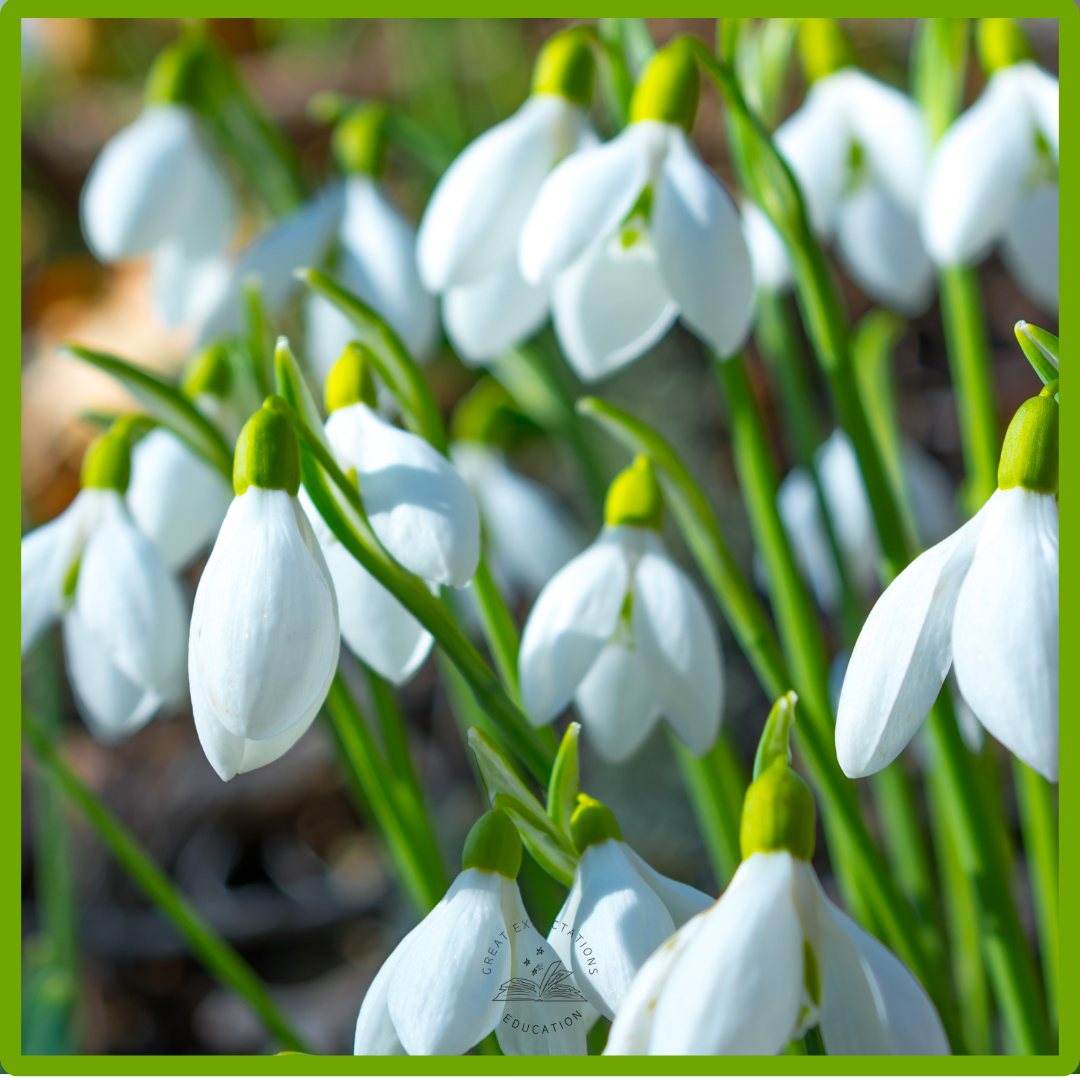
The etymology of ‘snowdrop’ reveals a clear English compound — ‘snow’ + ‘drop’ — alongside related forms in German, French and Swedish. A study in structure, season and morphology.
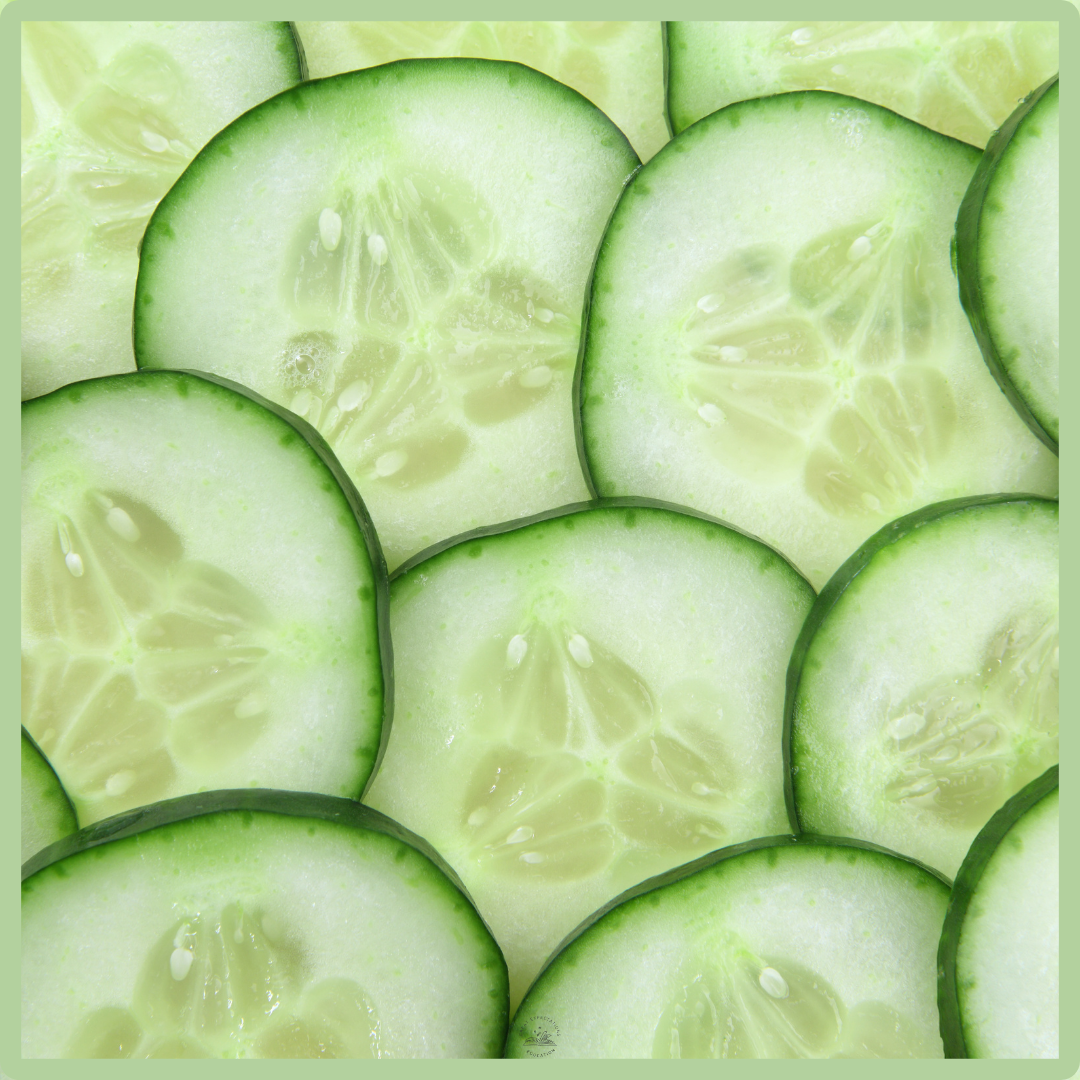
The cucumber’s name grew from Sanskrit and Latin roots, spreading through French and Greek into Europe’s many languages.
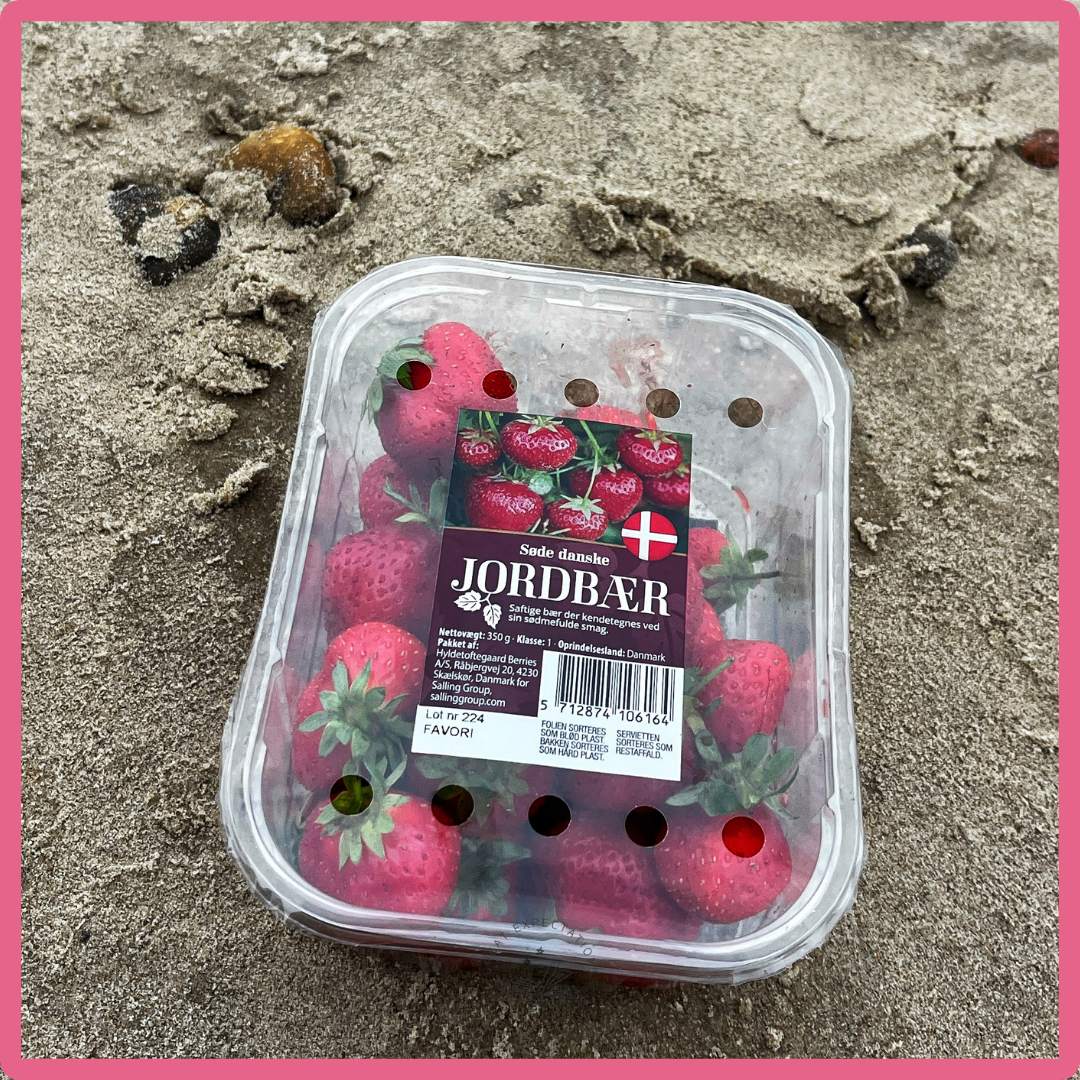
English alone calls it the ‘strawberry’. Others call it the ‘earth berry’ or the ‘fragrant fruit’. New research traces our word not to straw mulch but to an old European habit: threading wild berries onto a straw of grass.
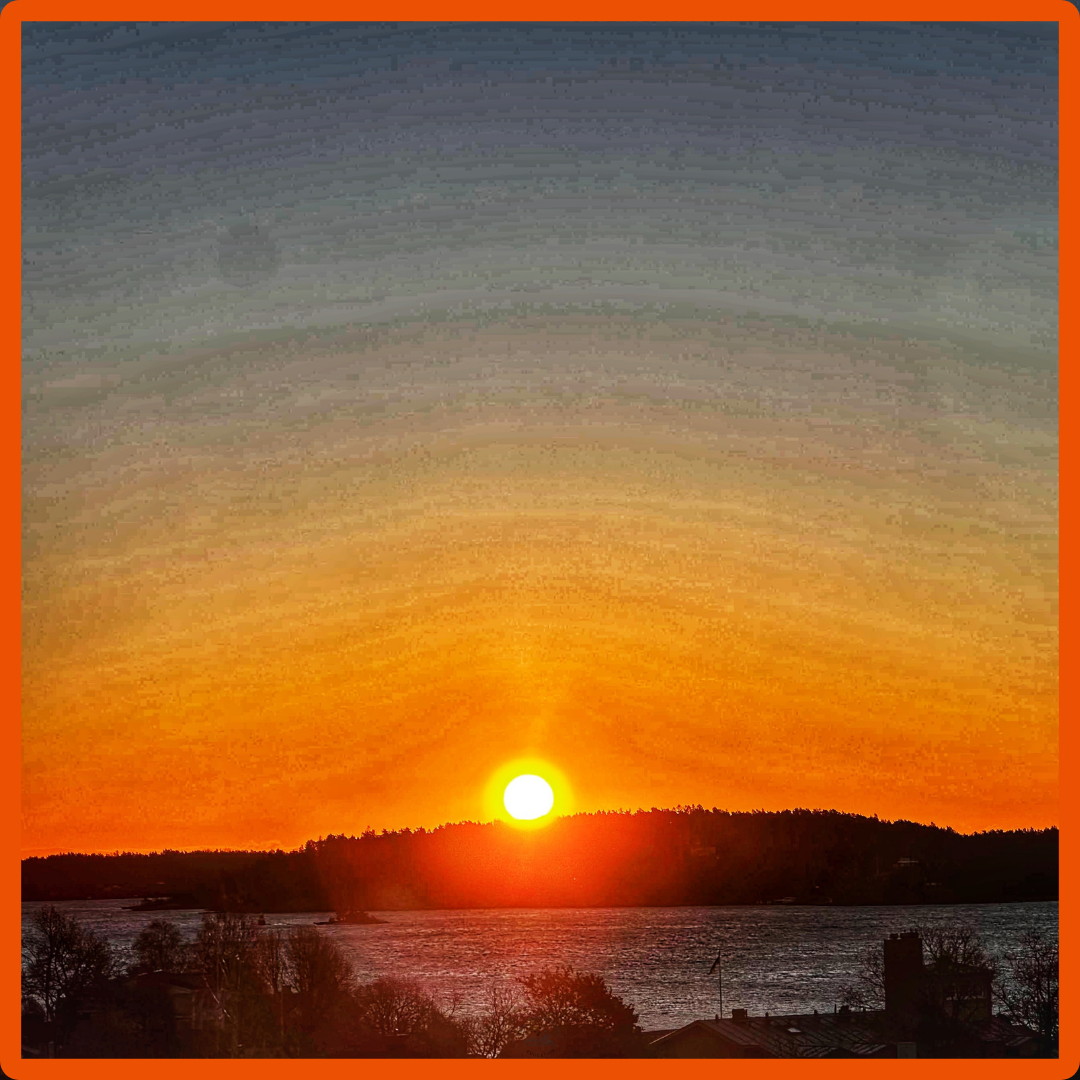
A short exploration of the word ‘shine’, from Old English ‘scinan’ to the Hebrew forms behind Isaiah’s ‘arise, shine’. This study traces how English, Hebrew and European translations express radiance, brightness and becoming light.
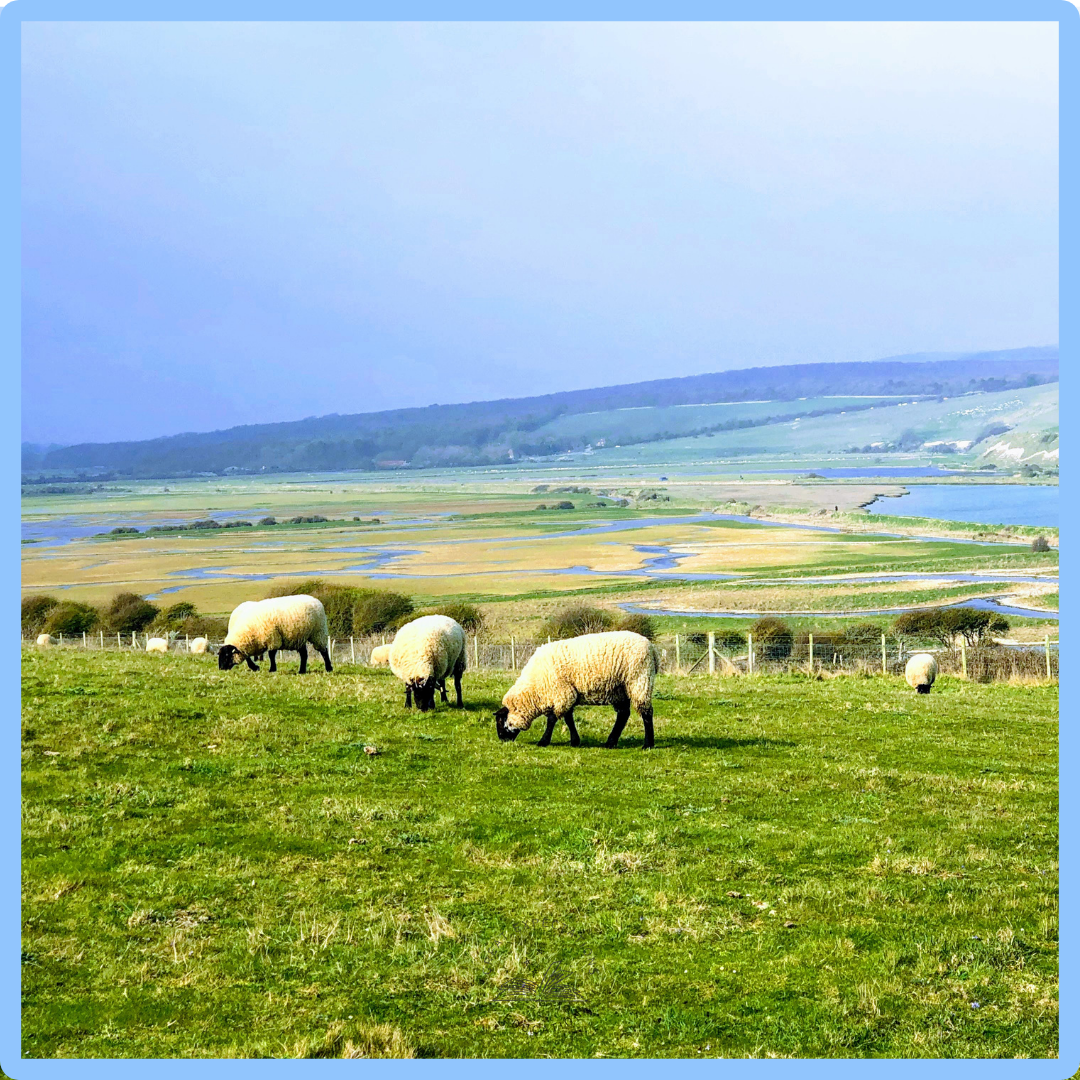
A short exploration of the word ‘shepherd’, from Old English ‘sceaphierde’ to Greek ‘ποιμήν’ and Latin ‘pastor’. With a photo taken at Cuckmere Haven, this piece follows how a simple pastoral term grew into a rich metaphor across European languages and Bible translations.
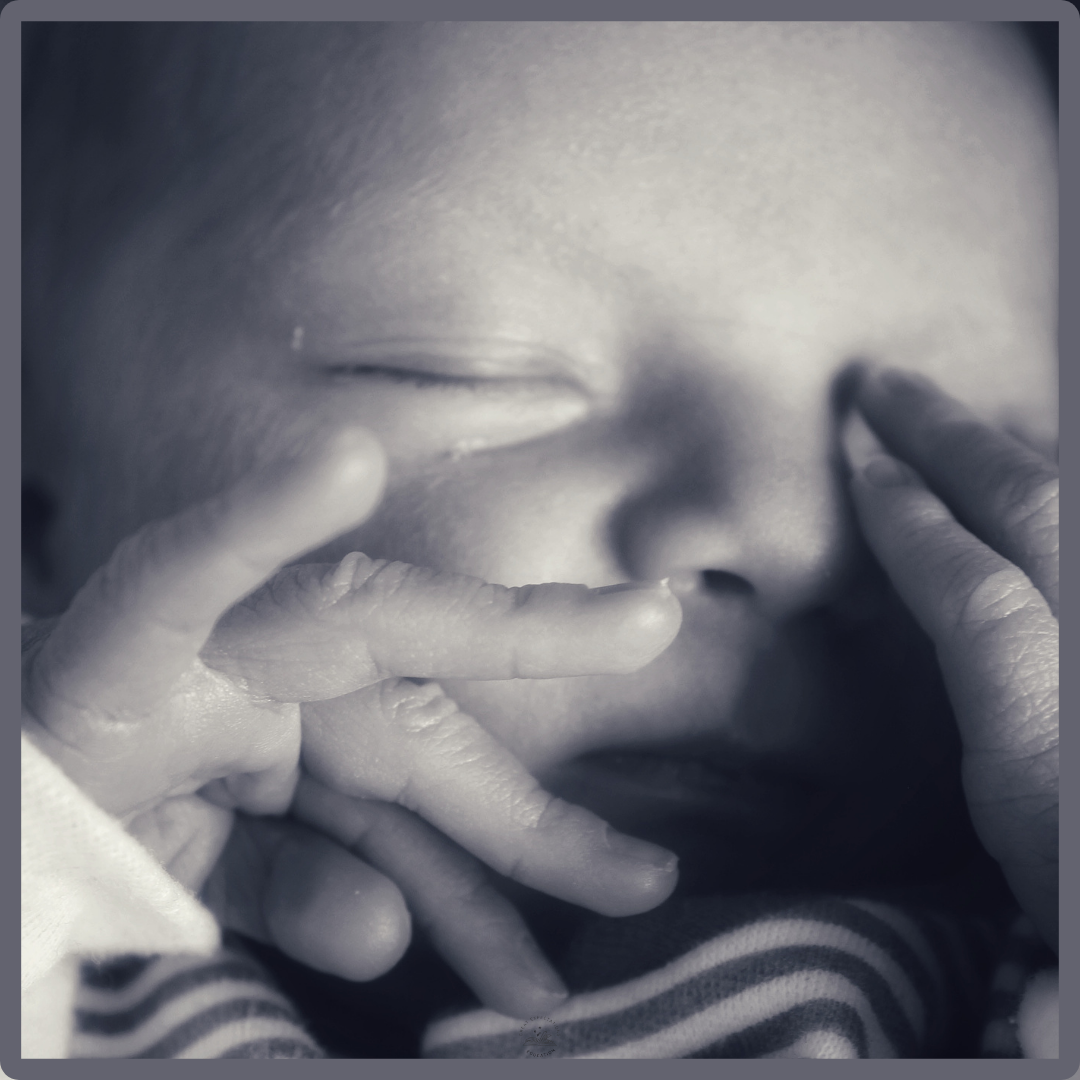
A clear exploration of the word ‘birth’, tracing its history from Old Norse and Proto-Germanic roots to Greek tiktō in Luke 1.31.
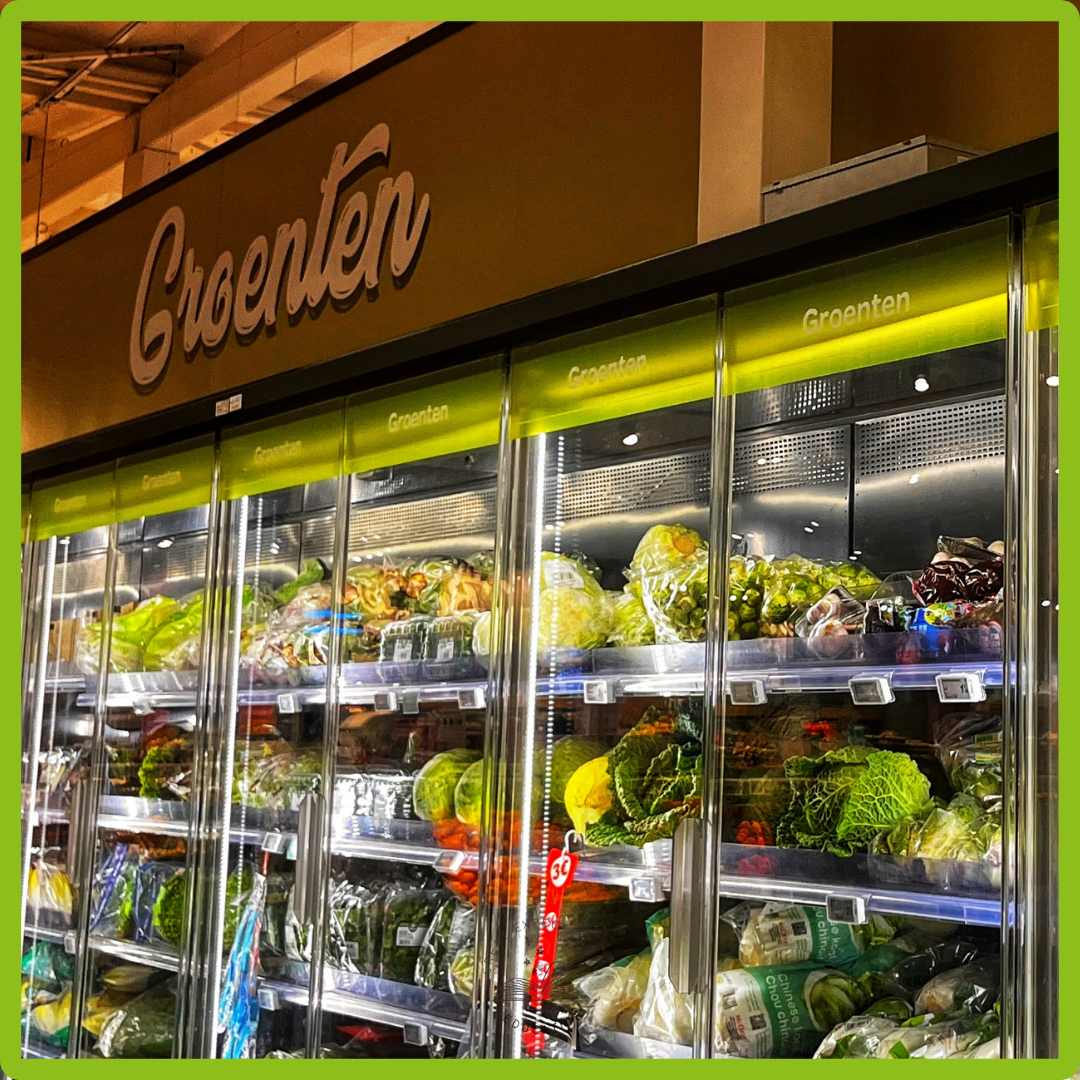
In a Flemish supermarket, the word groenten caught my eye. It means ‘vegetables’, but it shares its history with English green.
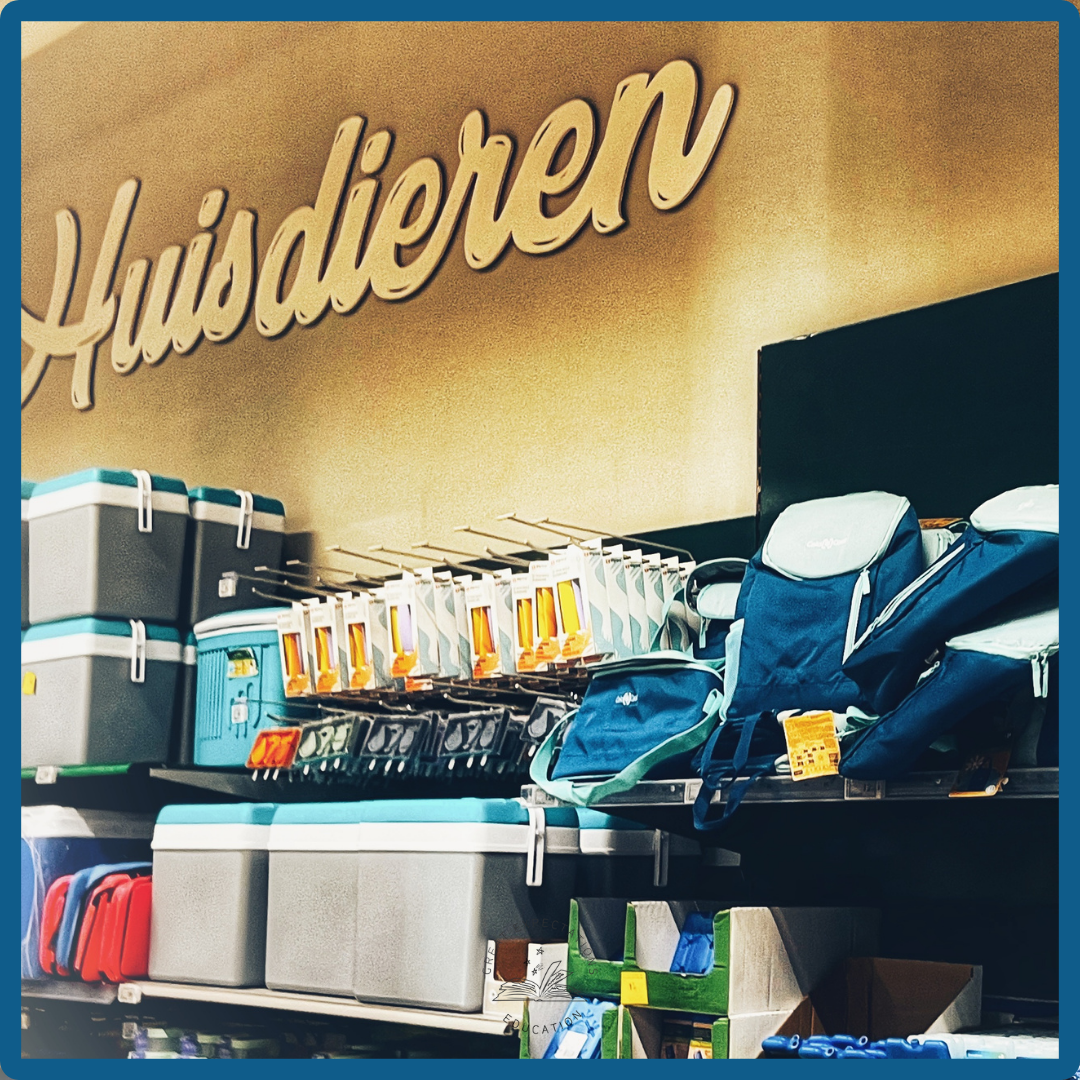
In Belgium, a supermarket sign reads ‘Huisdieren’ (‘house animals’). Dutch ‘dieren’ shares its root with English ‘deer’ and German ‘Tier’. Once the same word, their meanings diverged over time.
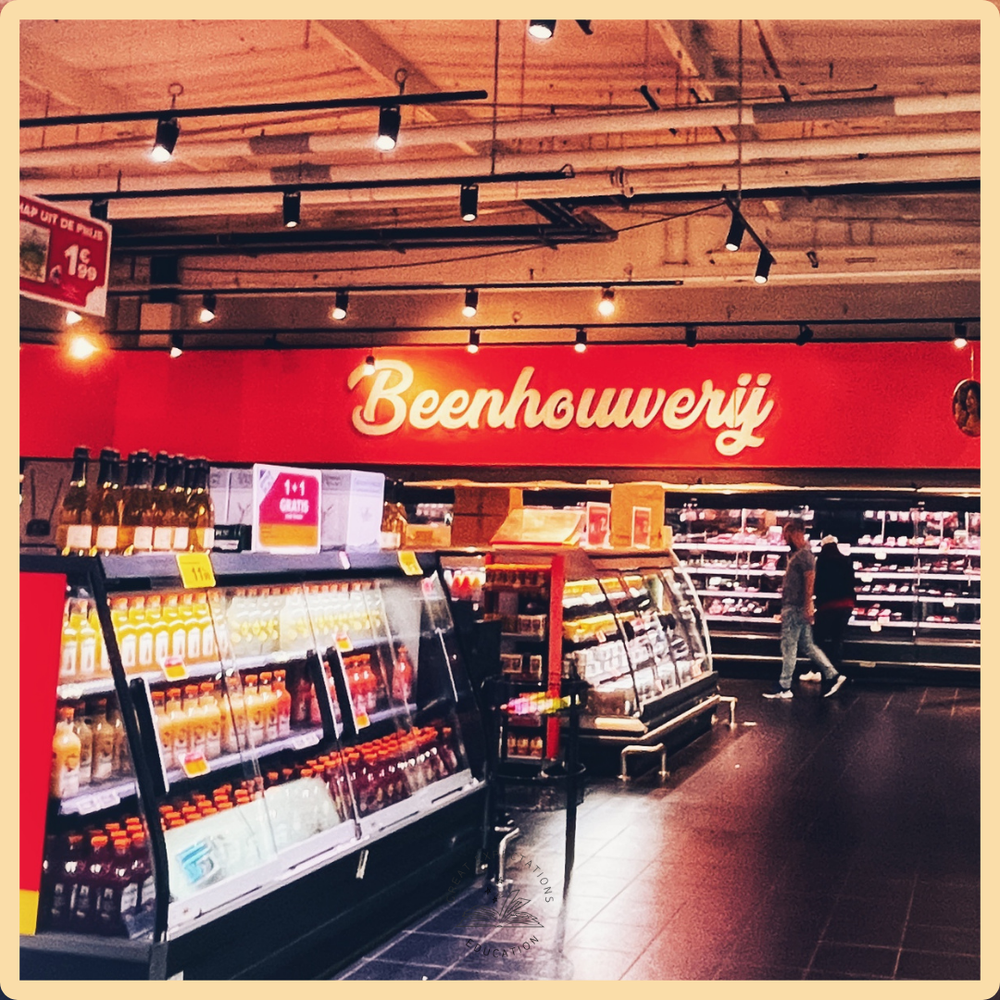
Discover the etymology of ‘butcher’: Flemish ‘beenhouwerij’ means ‘bone-hacker’s shop’, Danish ‘slagter’ comes from ‘to slaughter’, and English ‘butcher’ from French ‘goat-slayer’. Explore how German, Italian, Portuguese, Celtic, and Basque languages name this everyday trade.

From cranes to bogs, the name ‘cranberry’ traces a northern path through Low German Kraanbere and Dutch Kraanbes, linking birds, berries, and marshland speech.

‘Twilight’ joins ‘two’ and ‘light’ to name the half-light between day and night. From Old English twi-lyht, it shares roots with ‘twin’ and ‘lucid’. Its Romance cousin crepusculum gave French ‘crépuscule’ and Italian ‘crepuscolo’. Across Europe, twilight glows through words of dimness, doubling, and fading.

‘Frost’ has hardly changed in a thousand years. From Old English ‘forst’ to modern English, the same word has marked cold mornings and white fields. Its root goes back to Proto-Germanic frustaz and the older Indo-European preus- — a word for freezing, burning, shivering. Across Europe, its relatives still bite the air: German ‘Frost’, Dutch ‘vorst’, Swedish ‘frost’, French ‘gelée’, Irish ‘sioc’.

A word for the lightest rain, drizzle comes from Middle English drislen, built from Old English drēosan, ‘to fall’. Germanic cousins include Niesel and motregen, while the Romance languages turn to bruine and llovizna. Across Europe, the sense is shared — soft rain that seems to hover before it lands.

Taken near Vile on Denmark’s Limfjord, this post explores the word ‘dusk’—its deep Germanic roots, its kin in other European languages, and the Danish tusmørke, meaning ‘between dark’.

‘Mist’ has kept its form and meaning for over a thousand years. From the Proto-Indo-European root meigh- ‘to sprinkle’, it connects to Old Norse ‘mistr’ and to ‘mistletoe’—once ‘misteltān’, the ‘dung twig’. English kept the weather sense while its relatives shifted toward drizzle, haze, or muck

The Danish word gård links to English ‘yard’ and ‘garden’. From ancient enclosures to modern courtyards and kindergartens, discover how one root shaped European words and everyday places.

Explore the history of ‘harvest’, once the English word for autumn. From Old English ‘hærfest’ and German ‘Herbst’ to Italian ‘raccolto’, Spanish ‘cosecha’, Welsh ‘cynhaeaf’ and Europe’s harvest festivals, discover how languages reflect the season of gathering.
Erde' is the German word for earth. It does four different jobs in German, and it started out with the smallest of them.
Written German has used it since the 700s. In that time the word itself has hardly changed, but what it covers has kept growing.
What's included
The smallest meaning. What 'Erde' meant when it was first written down.
Where 'Erde' stops. The word German sets against 'Erde', and where the line between them falls in a picture.
The English spelling. Three printed sheets showing how English spelled its cousin before settling on 'earth'.
A sources page and a short guide for the adult.
For personal use in home education and tutoring only.
Who it's for
KS3 and KS4 German learners
Home-educated children doing German
Anyone curious about why German words mean what they mean
Specialist tuition students, including dyslexic learners
Parents learning German next to their child
Adults coming back to German
The resource assumes the learner already knows that German nouns are 'der', 'die' or 'das'.
Why this exists
A learner meets 'Erde' meaning one thing in one lesson and something quite different in the next, so it looks like two words to learn. The cards show why it's one.
I first made these for my curious son.
How it prints
The PDF prints two ways. Large cards, one idea to a page, can be laminated and put on a binder ring. That makes a deck to take in a bag or spread across the dinner table. Nothing arrives laminated or bound; you do that part yourself. There's also a single sheet at the end, ready as soon as it comes off the printer. You'll need a printer, and a laminator and ring for the deck.
Available now as a PDF download.