'Plage' is the French word for the beach.
It is also the name for the flat shelf behind the back seat of a car.
This is an illustrated black-and-white word-history of 'plage': ten cards, a page setting out the word's history, a single sheet, a sources page and a short guide for the adult. It prints two ways: as a deck to laminate, punch and put on a ring, or as a single sheet to print and use straight away.
What the word means
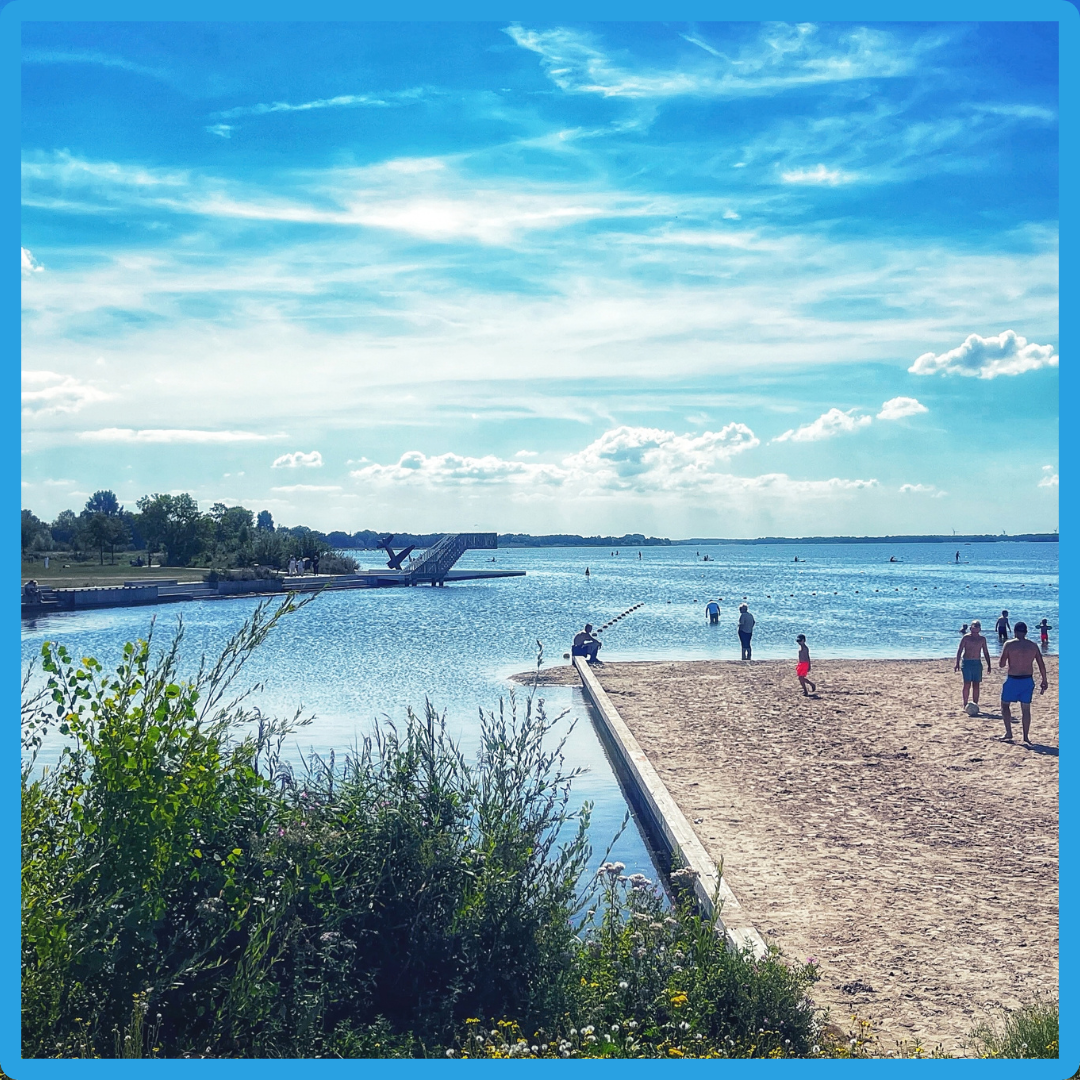
'La plage' means 'the beach'. French also uses it for the sandy edge of a lake or river where people swim, for a flat part of something bigger, and for a stretch of time set aside for work or for rest.
What's included
• A card on why it is 'la plage' when most French nouns ending in '-age' take 'le', with the short list of exceptions to learn together
• Seven illustrated cards, one idea each, covering the word's older history, its modern meanings (the seaside, a lake shore, the car shelf, a block of time on a planner) and the Italian and Spanish words that look like it
• A card on saying 'plage', and a card with the respelling and IPA for each foreign word in the set
• The word's history laid out stage by stage, with a date wherever the record gives one
• A single sheet holding the whole word on one page
• A sources page, and a short guide for the adult on using the cards
How it prints
There are two ways to use the file, and you choose. For the deck, print the cards single-sided, laminate them, trim, punch a hole in the top corner and clip them onto one binder ring. You make the deck yourself; it does not arrive ready-made, and you need a laminator and a ring as well as a printer. The finished deck is something to handle at the table or carry in a bag: a child can turn the cards over, lay them out in order, and sort them again next week.
The single sheet at the end needs no laminating and no cutting. Print it and it is ready for the fridge door or the middle of a revision session.
For personal use in home education and tutoring only.
Who it's for
They suit a range of learners:
• KS3 and KS4 French learners who keep writing 'le plage'
• Home-educated children working through French at their own pace
• Learners with dyslexia or a weak working memory who find a picture beside the word helps
• Parents helping at the kitchen table, including parents who have not used French since school
• Anyone who likes knowing where words come from
Why this exists
Most French nouns ending in '-age' take 'le', so a learner who has spotted the pattern writes 'le plage' and is marked wrong for applying a rule correctly. 'Plage' is on a short list of exceptions, and it is far easier to remember as one of a named few than as a lone oddity. The other meanings cause a different stumble: a learner who knows 'plage' only as the beach is thrown by 'une plage de repos' in a reading text. Each meaning here gets its own picture, so each one has something to hang on.
Related resources
The Compendium post on why word origins help with modern languages explains the thinking behind the whole L'atelier des mots range.
I first made these for my dyslexic son.
Available now as a PDF download.
'Plage' is the French word for the beach.
It is also the name for the flat shelf behind the back seat of a car.
This is an illustrated black-and-white word-history of 'plage': ten cards, a page setting out the word's history, a single sheet, a sources page and a short guide for the adult. It prints two ways: as a deck to laminate, punch and put on a ring, or as a single sheet to print and use straight away.
What the word means
'La plage' means 'the beach'. French also uses it for the sandy edge of a lake or river where people swim, for a flat part of something bigger, and for a stretch of time set aside for work or for rest.
What's included
• A card on why it is 'la plage' when most French nouns ending in '-age' take 'le', with the short list of exceptions to learn together
• Seven illustrated cards, one idea each, covering the word's older history, its modern meanings (the seaside, a lake shore, the car shelf, a block of time on a planner) and the Italian and Spanish words that look like it
• A card on saying 'plage', and a card with the respelling and IPA for each foreign word in the set
• The word's history laid out stage by stage, with a date wherever the record gives one
• A single sheet holding the whole word on one page
• A sources page, and a short guide for the adult on using the cards
How it prints
There are two ways to use the file, and you choose. For the deck, print the cards single-sided, laminate them, trim, punch a hole in the top corner and clip them onto one binder ring. You make the deck yourself; it does not arrive ready-made, and you need a laminator and a ring as well as a printer. The finished deck is something to handle at the table or carry in a bag: a child can turn the cards over, lay them out in order, and sort them again next week.
The single sheet at the end needs no laminating and no cutting. Print it and it is ready for the fridge door or the middle of a revision session.
For personal use in home education and tutoring only.
Who it's for
They suit a range of learners:
• KS3 and KS4 French learners who keep writing 'le plage'
• Home-educated children working through French at their own pace
• Learners with dyslexia or a weak working memory who find a picture beside the word helps
• Parents helping at the kitchen table, including parents who have not used French since school
• Anyone who likes knowing where words come from
Why this exists
Most French nouns ending in '-age' take 'le', so a learner who has spotted the pattern writes 'le plage' and is marked wrong for applying a rule correctly. 'Plage' is on a short list of exceptions, and it is far easier to remember as one of a named few than as a lone oddity. The other meanings cause a different stumble: a learner who knows 'plage' only as the beach is thrown by 'une plage de repos' in a reading text. Each meaning here gets its own picture, so each one has something to hang on.
Related resources
The Compendium post on why word origins help with modern languages explains the thinking behind the whole L'atelier des mots range.
I first made these for my dyslexic son.
Available now as a PDF download.