Spielen (German) – Structured Vocabulary Support
£2.00
View a free sample of this approach:
Salut (French) – Structured Vocabulary Support (Free Sample)
German vocabulary is often taught as isolated words to memorise. This short guided resource helps learners understand and remember spielen by connecting meaning, imagery, and word history.
What It Does
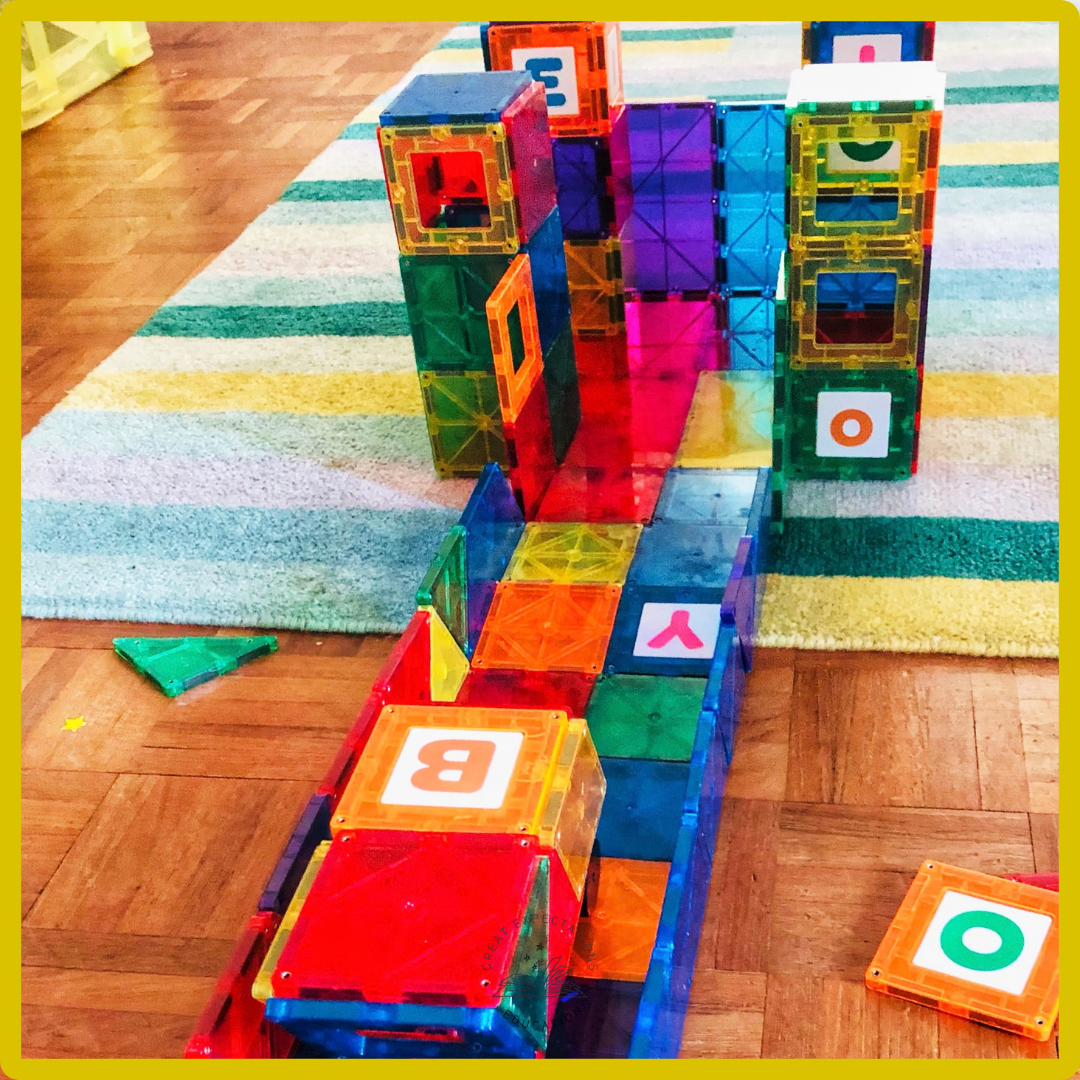
This resource helps learners understand the German verb spielen (‘to play’) through clear explanation and visual anchors. It shows how the word developed from earlier German forms linked to games, music, and lively activity, helping learners see why the modern meanings make sense.
The historical context is included only to support understanding. Learners are not expected to memorise dates or linguistic stages. The goal is simply to make the word feel more logical and easier to remember when it appears again.
What Makes It Different
• Explains the meaning of spielen through clear visual scenes (games, music, performance)
• Uses historically informed context to make vocabulary more memorable
• Designed for short discussion-based sessions rather than memorisation
• Supports dyslexic and neurodivergent learners through structured explanation
Originally created to support my own child’s vocabulary retention.
Who It’s For
KS3 German learners, home-educating families, tutors, and parents supporting vocabulary retention. Particularly useful for learners who find isolated word lists difficult to remember.
How To Use
Use in short guided sessions of around 5–10 minutes. Start with the modern meaning, discuss the illustrations, and revisit the resource occasionally over time.
The aim is recognition and confidence with the word when it appears again, not memorisation of historical detail.
Explore the full structured vocabulary collection in The Forge, and see how vocabulary explanation connects to wider word-learning through The Wordcrafter’s Bench.
Related German Vocabulary Resources in Die Wortwerkbank
• gehen – Structured Vocabulary Support
• sehen – Structured Vocabulary Support
• machen – Structured Vocabulary Support
• haben – Structured Vocabulary Support
© Great Expectations Education
For personal use in home education and tutoring only.
View a free sample of this approach:
Salut (French) – Structured Vocabulary Support (Free Sample)
German vocabulary is often taught as isolated words to memorise. This short guided resource helps learners understand and remember spielen by connecting meaning, imagery, and word history.
What It Does
This resource helps learners understand the German verb spielen (‘to play’) through clear explanation and visual anchors. It shows how the word developed from earlier German forms linked to games, music, and lively activity, helping learners see why the modern meanings make sense.
The historical context is included only to support understanding. Learners are not expected to memorise dates or linguistic stages. The goal is simply to make the word feel more logical and easier to remember when it appears again.
What Makes It Different
• Explains the meaning of spielen through clear visual scenes (games, music, performance)
• Uses historically informed context to make vocabulary more memorable
• Designed for short discussion-based sessions rather than memorisation
• Supports dyslexic and neurodivergent learners through structured explanation
Originally created to support my own child’s vocabulary retention.
Who It’s For
KS3 German learners, home-educating families, tutors, and parents supporting vocabulary retention. Particularly useful for learners who find isolated word lists difficult to remember.
How To Use
Use in short guided sessions of around 5–10 minutes. Start with the modern meaning, discuss the illustrations, and revisit the resource occasionally over time.
The aim is recognition and confidence with the word when it appears again, not memorisation of historical detail.
Explore the full structured vocabulary collection in The Forge, and see how vocabulary explanation connects to wider word-learning through The Wordcrafter’s Bench.
Related German Vocabulary Resources in Die Wortwerkbank
• gehen – Structured Vocabulary Support
• sehen – Structured Vocabulary Support
• machen – Structured Vocabulary Support
• haben – Structured Vocabulary Support
© Great Expectations Education
For personal use in home education and tutoring only.