

My Home
Filters
Filters

Understanding ‘grand’ shouldn’t rely on memorising one meaning. This resource helps learners grasp how ‘grand’ works across real contexts, so it sticks.
View a free sample of this approach:
Salut (French) – Structured Vocabulary Support (Free Sample)
What It Does
This resource builds a clear, connected understanding of the French word ‘grand’. Learners explore how it means ‘big’, ‘tall’, ‘older’, and ‘important’, supported by simple visuals and concise explanations. It introduces the wider word family, including ‘grandeur’, ‘agrandir’, and ‘grandiose’, helping learners recognise patterns rather than memorising isolated forms. The focus is on meaning first, with etymology used to support understanding, not as content to learn.
What Makes It Different
• Links multiple meanings of a high-frequency word into one coherent idea
• Uses etymology to support retention without overloading memory
• Builds awareness of word families (‘grand’, ‘grandeur’, ‘agrandir’)
• Designed for short, repeatable sessions rather than one-off teaching
Originally created to support my own child’s vocabulary retention.
Who It’s For
KS2–KS3 learners, particularly those who struggle to retain vocabulary when taught as isolated words. Suitable for parents, tutors, and teachers supporting dyslexic or neurodivergent learners.
How To Use
Use in short, guided sessions (5–10 minutes). Start with the meaning of ‘grand’ in context, then use the visuals to anchor understanding. Revisit over time rather than completing in one sitting.
Explore more structured vocabulary resources in The Forge, and deepen word understanding through The Wordcrafter’s Bench.
More in this series
‘près de’ (French)
‘habite’ (French)
‘salut’ (French)
‘bonjour’ (French)
© Great Expectations Education
For personal use in home education and tutoring only.

Understanding ‘près de’ often breaks down because it is abstract, frequent, and easy to confuse. This resource makes it concrete, visual, and memorable.
View a free sample of this approach:
Salut (French) – Structured Vocabulary Support (Free Sample)
What It Does
This resource supports learners in understanding and retaining the French structure ‘près de’ (‘near to’). It uses clear visuals, simple explanation, and a carefully structured etymological pathway to show how the meaning develops from physical closeness into spatial and figurative use. The aim is not memorisation, but recognition and long-term understanding.
What Makes It Different
• Builds meaning through visual proximity, not translation
• Connects ‘near’ and ‘almost’ through one clear semantic pathway
• Reduces cognitive load by limiting explanation and focusing on one idea
• Designed for short, repeatable use rather than one-off completion
Originally created to support my own child’s vocabulary retention.
Who It’s For
KS3 learners learning core French vocabulary
Dyslexic learners who struggle with abstract or relational language
Parents and tutors supporting vocabulary outside the classroom
How To Use
Use in short, guided sessions (5–10 minutes). Start with the meaning today, then use the images to anchor understanding. Revisit over time rather than completing in one sitting. Avoid testing or requiring explanation recall.
Internal Links
Explore the full system via The Forge, and deepen understanding through The Wordcrafter’s Bench.
Related French Vocabulary Resources
• grand / grande (size and scale)
• habiter (living and location)
• ville (places and environment)
• maison (home and setting)
© Great Expectations Education
For personal use in home education and tutoring only.
View a free sample of this approach:
Salut (French) – Structured Vocabulary Support (Free Sample)
View a free sample of this approach:
Salut (French) – Structured Vocabulary Support (Free Sample)
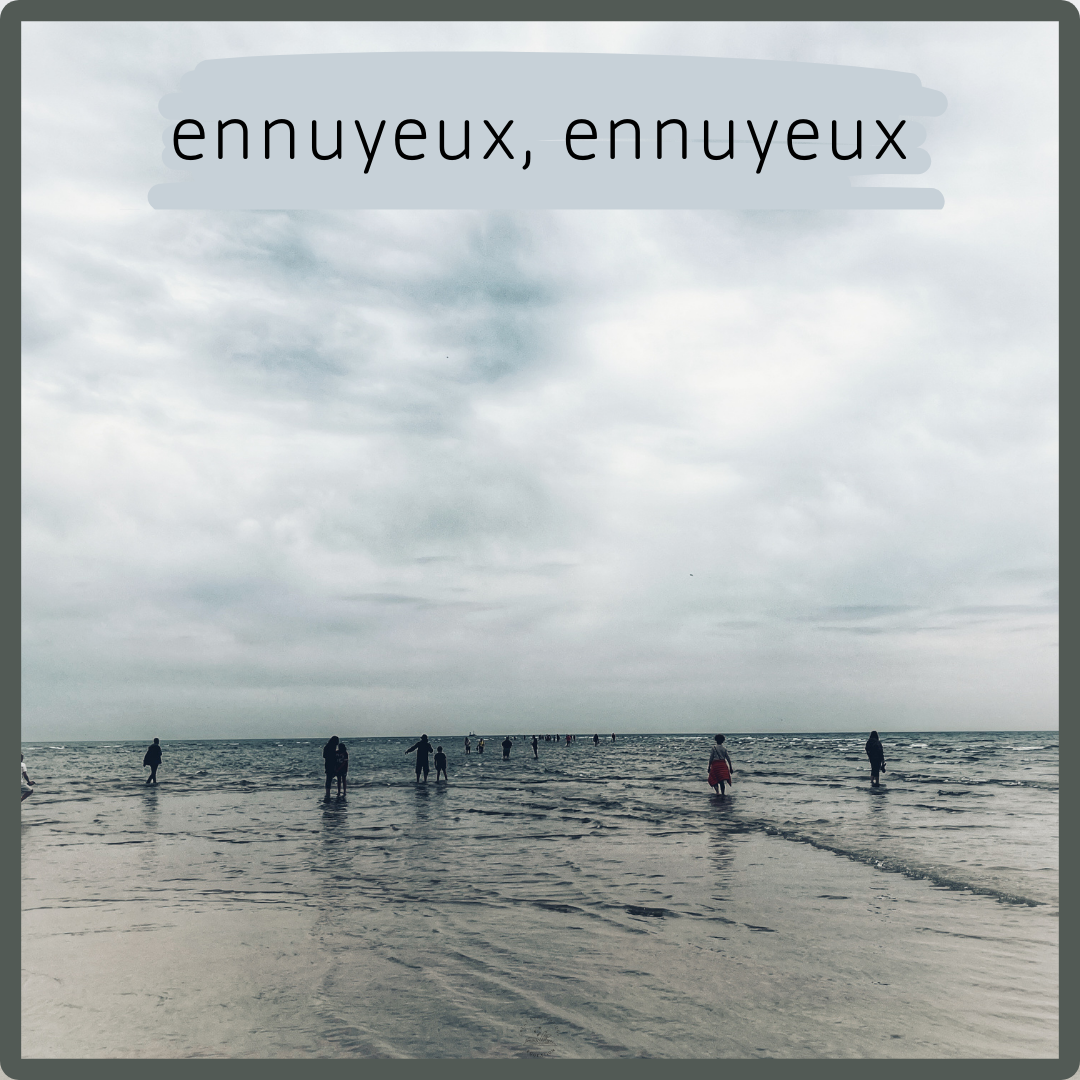
A structured vocabulary resource designed to support learners who find French vocabulary harder to retain when words are taught as isolated items to memorise. This resource focuses on the common French adjective ennuyeux, explaining how its meaning developed and why it is used to describe boredom in modern French.
Rather than relying on simple translation, this resource shows how ennuyeux developed from earlier meanings connected to irritation and emotional burden, and how its meaning gradually shifted over time. This helps learners understand why ennuyeux does not map neatly onto English equivalents such as boring or annoying, and how it functions in present-day French.
Historical information is included only where it clarifies meaning. Learners are not expected to remember dates, language stages, or historical terminology. The resource does not ask learners to memorise explanations or retell the history. History functions purely as a support for understanding how the word works today.
This resource was designed with dyslexic and neurodivergent learners in mind, particularly those who benefit from explicit structure, reduced verbal load, and visual anchoring. It supports recognition, confidence, and longer-term vocabulary retention when learners encounter ennuyeux again in lessons or reading. It does not replace teaching, practice, or repetition, but helps make repeated exposure more effective over time.
The approach is grounded in evidence-based literacy practice and structured language explanation. Meaning is prioritised first, with historical context used only where it makes the word more logical and easier to retain.
What’s included
A clear visual explanation of how ennuyeux developed and what it means in modern French
Explicit clarification of how ennuyeux differs from simple English translations
Simple black-and-white illustrations designed to anchor meaning and reduce verbal explanation
Support for understanding semantic change without requiring memorisation of history
How to use
Best used in short sessions (5–10 minutes), revisited over time. Start with what ennuyeux means today, then use the images to support discussion. An adult guides use and decides when to stop. This resource supports classroom learning, tutoring, and home education, but does not replace teaching or practice.
Who it’s for
Dyslexic learners studying French
KS3–KS4 pupils who struggle with vocabulary retention
Parents, tutors, and intervention teachers
Learners who benefit from explicit, structured language explanation
Format
Printable PDF
Black-and-white printing fully supported
Laminating optional
© Great Expectations Education
For personal use in home education and tutoring only.
View a free sample of this approach:
Salut (French) – Structured Vocabulary Support (Free Sample)
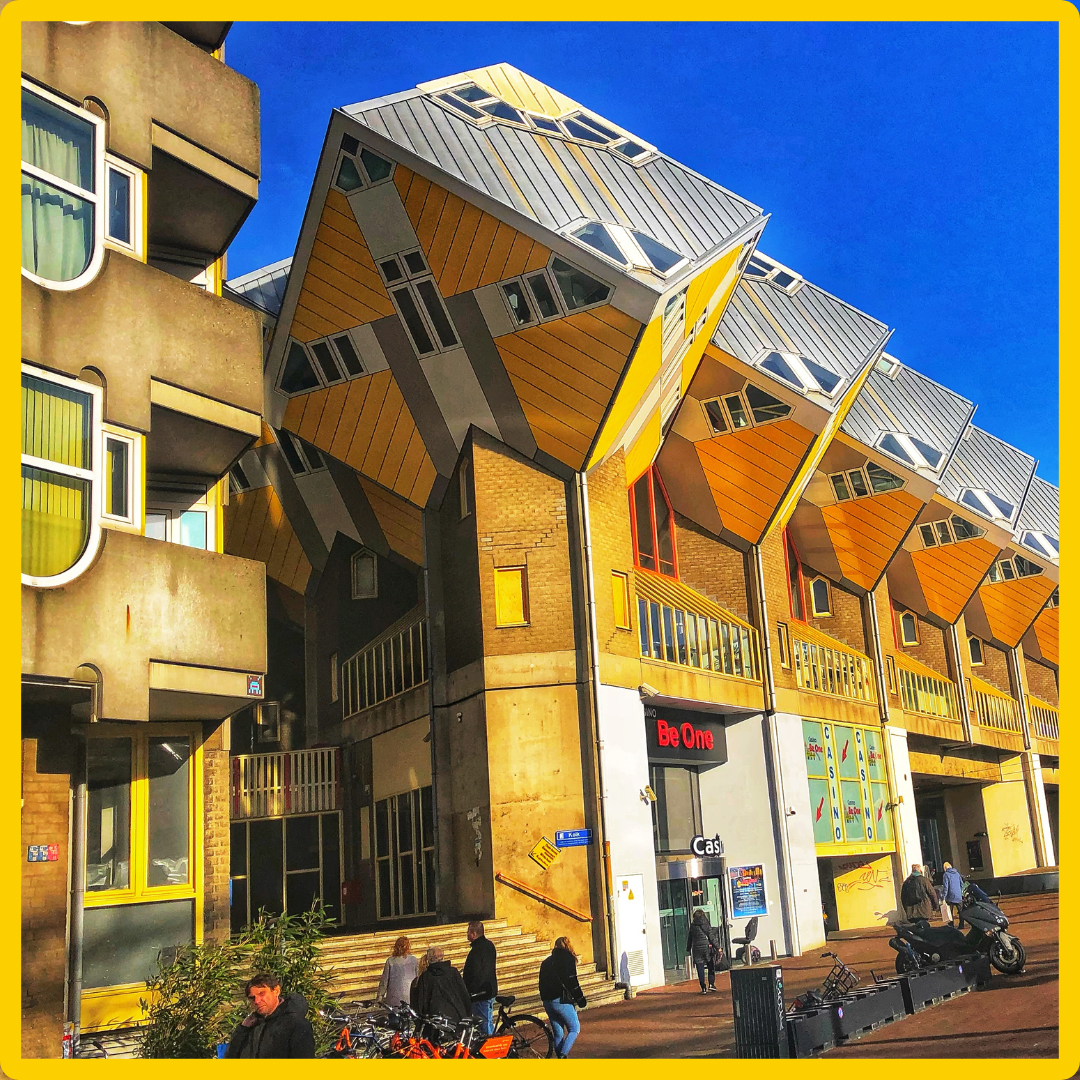
A structured vocabulary resource designed to support learners who find French vocabulary harder to retain when words are taught as isolated items to memorise. This resource focuses on the common French adjective moderne, explaining what it means, where it comes from, and how it is used to contrast the present with what came before.
Rather than treating moderne as a simple synonym for ‘new’, this resource shows how the word developed from Latin forms meaning ‘just now’ and ‘belonging to the present time’. Over centuries, moderne came to describe people, ideas, buildings, art, and ways of living that belong to the present age, often explicitly contrasted with earlier periods. This helps learners understand that moderne is about time and perspective, not novelty alone.
Historical information is included only where it clarifies meaning. Learners are not expected to remember dates, historical periods, or language stages. The resource does not ask learners to memorise explanations or retell the history. History functions as a support for understanding how the word operates in modern French, not as content in its own right.
This resource was designed with dyslexic and neurodivergent learners in mind, particularly those who benefit from explicit structure, reduced verbal load, and visual anchoring. It supports recognition, confidence, and longer-term vocabulary retention when learners encounter moderne again in lessons or reading. It does not replace teaching, practice, or repetition, but helps make repeated exposure more effective over time.
The approach is grounded in evidence-based literacy practice and structured language explanation. Meaning is prioritised first, with historical context used only where it makes the word more logical and easier to retain.
What’s included?
A clear visual timeline showing how moderne developed from Latin into Modern French
Explicit explanation of how moderne contrasts the present with earlier periods
Simple black-and-white illustrations designed to anchor meaning and reduce verbal explanation
Support for understanding moderne as a time-based adjective rather than a translation shortcut
How to use
Best used in short sessions (5–10 minutes), revisited over time. Start with what moderne means today, then use the images to support discussion. An adult guides use and decides when to stop. This resource supports classroom learning, tutoring, and home education, but does not replace teaching or practice.
Who it’s for?
Dyslexic learners studying French
KS3–KS4 pupils who struggle with vocabulary retention
Parents, tutors, and intervention teachers
Learners who benefit from explicit, structured language explanation
Format
Printable PDF
Black-and-white printing fully supported
Laminating optional
© Great Expectations Education
For personal use in home education and tutoring only.

View a free sample of this approach:
Salut (French) – Structured Vocabulary Support (Free Sample)
A structured vocabulary resource designed to support learners who find French vocabulary harder to retain when words are taught as isolated items to memorise. This resource focuses on the common French adjective neuf, explaining how its meaning of ‘new’ developed and why it does not always behave in the same way as the English word new.
Rather than relying on simple translation, this resource shows how neuf developed from earlier ideas of freshness, recentness, and renewal, and how its meaning has remained closely tied to condition rather than age. This helps learners understand why neuf is used for something newly made or unused, while other French words may be used to describe something recent or young.
Historical information is included only where it clarifies meaning. Learners are not expected to remember dates, language stages, or historical terminology. The resource does not ask learners to memorise explanations or retell the history. History functions purely as a support for understanding how the word works today.
This resource was designed with dyslexic and neurodivergent learners in mind, particularly those who benefit from explicit structure, reduced verbal load, and visual anchoring. It supports recognition, confidence, and longer-term vocabulary retention when learners encounter neuf again in lessons or reading. It does not replace teaching, practice, or repetition, but helps make repeated exposure more effective over time.
The approach is grounded in evidence-based literacy practice and structured language explanation. Meaning is prioritised first, with historical context used only where it makes the word more logical and easier to retain.
What’s included
A clear visual explanation of how neuf developed and what it means in modern French
Explicit clarification of how neuf differs from English new in everyday use
Simple black-and-white illustrations designed to anchor meaning and reduce verbal explanation
Support for understanding condition-based meaning rather than relying on translation alone
How to use
Best used in short sessions (5–10 minutes), revisited over time. Start with what neuf means today, then use the images to support discussion. An adult guides use and decides when to stop. This resource supports classroom learning, tutoring, and home education, but does not replace teaching or practice.
Who it’s for
Dyslexic learners studying French
KS3–KS4 pupils who struggle with vocabulary retention
Parents, tutors, and intervention teachers
Learners who benefit from explicit, structured language explanation
Format
Printable PDF
Black-and-white printing fully supported
Laminating optional
© Great Expectations Education
For personal use in home education and tutoring only.
View a free sample of this approach:
Salut (French) – Structured Vocabulary Support (Free Sample)
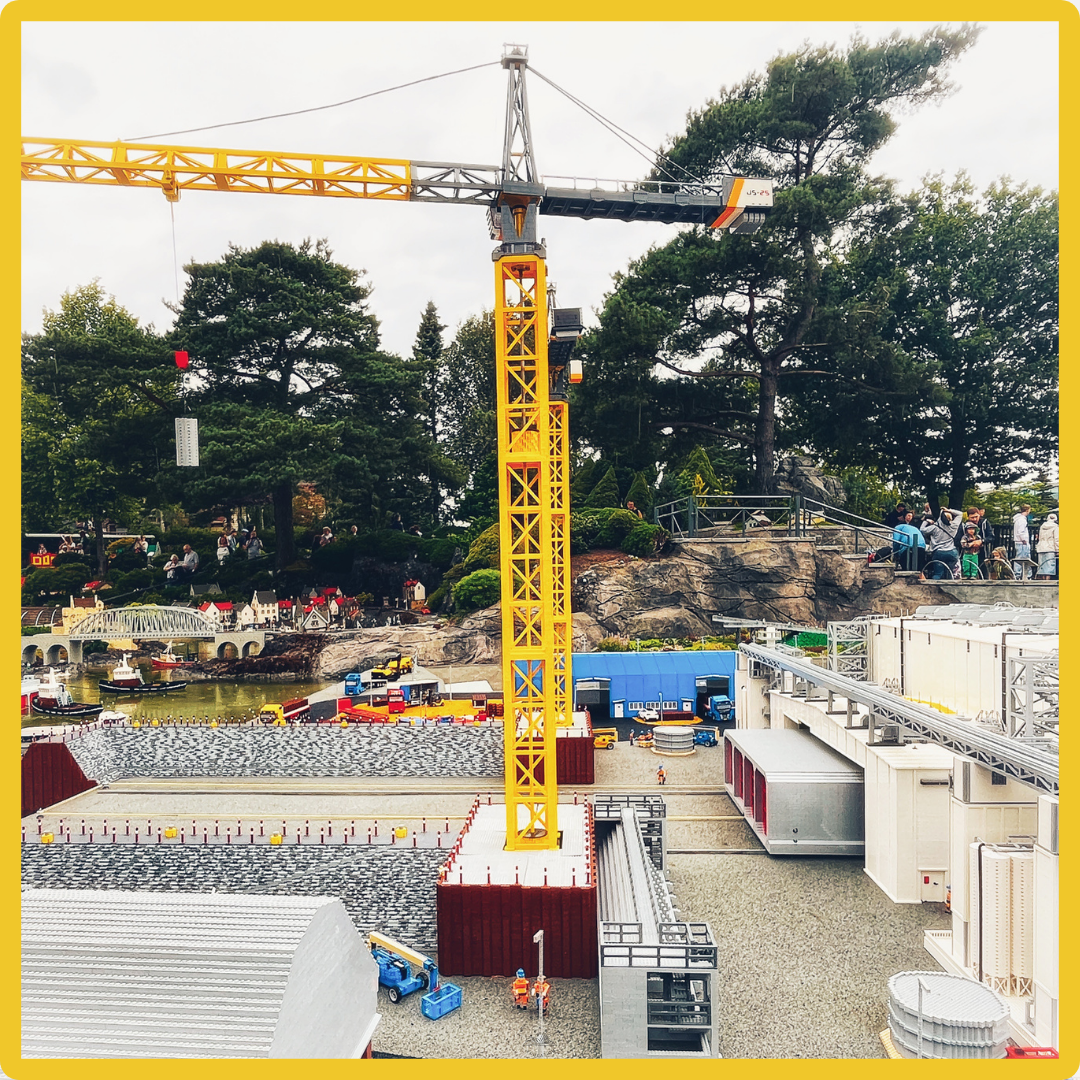
A structured vocabulary resource designed to support learners who find French vocabulary harder to retain when words are taught as isolated items to memorise. This resource focuses on the high-frequency French word bâtiment, explaining how its meaning developed from the idea of building or constructing into the modern sense of a building or structure.
Rather than focusing on definition alone, this resource shows how bâtiment is built from an earlier verb meaning ‘to build’ and how the noun ending transforms an action into the thing that results from it. This helps learners understand why the word means what it does today, rather than relying on recall alone.
Historical information is included only to clarify meaning. Learners are not expected to remember dates, language stages, or historical terminology. The resource does not ask learners to retell the history or memorise explanations. History functions as a support for understanding, not as an outcome in itself.
This resource was designed with dyslexic and neurodivergent learners in mind, particularly those who benefit from explicit structure, reduced verbal load, and visual anchoring. It supports recognition, confidence, and longer-term vocabulary retention when learners encounter the word again in lessons or reading. It does not replace teaching, practice, or repetition, but can make repeated exposure more effective over time.
The approach is grounded in evidence-based literacy practice and structured language explanation. Meaning is prioritised first, with historical context used only where it makes the word more logical and easier to retain.
What’s included
A clear visual timeline showing how bâtiment developed from early building verbs into a modern noun
Explicit explanation of how the action of building became the name for the thing built
Simple black-and-white illustrations designed to anchor meaning and reduce verbal explanation
Links to related words and meanings that help learners see patterns rather than isolated facts
How to use
Best used in short sessions (5–10 minutes), revisited over time. Start with what bâtiment means in modern French, then use the images to support discussion. An adult guides use and decides when to stop. This resource supports classroom learning, tutoring, and home education, but does not replace teaching or practice.
Who it’s for
Dyslexic learners studying French
KS3–KS4 pupils who struggle with vocabulary retention
Parents, tutors, and intervention teachers
Learners who benefit from explicit, structured language explanation
Format
Printable PDF
Black-and-white printing fully supported
Laminating optional
© Great Expectations Education
For personal use in home education and tutoring only.

View a free sample of this approach:
Salut (French) – Structured Vocabulary Support (Free Sample)
A structured vocabulary resource designed to support learners who find French vocabulary harder to retain when words are taught as isolated items to memorise. This resource focuses on the high-frequency French word maison, showing how its meaning developed over time and how it connects to related forms in English, including mansion.
Rather than relying on definition-only teaching, this resource makes meaning more stable by showing how maison grew from earlier ideas of staying, dwelling, and household. Historical information is used as an explanatory tool to support understanding, not as content to be learned or recalled. Learners are not expected to remember dates, language stages, or historical detail.
This resource was designed with dyslexic and neurodivergent learners in mind, particularly those who benefit from explicit structure, reduced verbal load, and visual anchoring. It supports recognition, confidence, and sense-making around vocabulary encountered in lessons or reading. It does not replace practice, repetition, or formal teaching, but can make repeated exposure more effective over time.
The approach is grounded in evidence-based literacy practice and structured language explanation. Meaning is prioritised first, with history used only where it clarifies why the word behaves as it does.
What’s included
A clear visual timeline showing how maison developed from Latin to Modern French
Parallel reference to the English word mansion to highlight shared origins and semantic change
Simple black-and-white illustrations designed to anchor meaning and reduce verbal explanation
Guidance on how meanings broadened or narrowed over time without requiring memorisation
How to use
Best used in short sessions (5–10 minutes), revisited over time. Begin with the modern meaning, use the images to support discussion, and stop before cognitive load increases. An adult guides use and decides when to pause. This resource supports classroom learning and home education but does not replace teaching or practice.
Who it’s for
Dyslexic learners studying French
KS3–KS4 pupils who struggle with vocabulary retention
Parents, tutors, and intervention teachers
Learners who benefit from explicit, structured language explanation
Format
Printable PDF
Black-and-white printing fully supported
Laminating optional
© Great Expectations Education
For personal use in home education and tutoring only.

View a free sample of this approach:
Salut (French) – Structured Vocabulary Support (Free Sample)
A structured resource designed to support dyslexic learners who find French vocabulary hard to retain when words are taught as isolated items to memorise.
Rather than focusing on definitions alone, this resource shows how the word ancien is built, where it comes from, and how its meaning has developed over time in French — with links to English where this supports understanding. By making structure and meaning visible, the resource helps learners approach vocabulary with greater confidence and less reliance on rote memorisation.
The historical information is included to explain meaning, not as content to be learned or memorised. Learners are not expected to remember dates, terminology, or stages of language history.
This approach is grounded in evidence-based literacy practice and was originally developed for my own dyslexic son to support his experience of learning French in school. It has been refined through real use, focusing on what reduces cognitive load and helps words “stick” over time.
What’s included
A clear visual timeline showing how ancien developed from Latin to Modern French
Simple illustrations to anchor meaning and reduce verbal explanation
Links to related English forms where helpful
Guidance designed to support recognition, understanding, and confidence
How to use
Best used in short sessions (5–10 minutes), revisited over time. An adult guides discussion and decides when to stop. This resource supports classroom learning but does not replace teaching or practice.
Who it’s for
Dyslexic learners studying French
KS3–KS4 pupils who struggle with vocabulary retention
Parents, tutors, and intervention teachers
Learners who benefit from explicit, structured language explanation
Format
Printable PDF
Black-and-white printing supported
Laminating optional
© Great Expectations Education
For personal use in home education and tutoring only.
No results found
No results match your search. Try removing a few filters.
Curious to try my resources? Start here.
This little set of ‘test’ themed resources is a gentle way to try out how I teach spelling, morphology and vocabulary, without committing to full price.
Each one is 75% off for a limited time and works well as a standalone activity or as a taster before diving into the other packs.
Ideal for: home educators, 11+ candidates and anyone wanting a low cost starting point.

This downloadable pack explores the root ‘test’ (from Latin testari, meaning to witness or affirm). It includes a clear set of printable word cards designed for spelling, reading, and vocabulary practice – with a focus on how words are built.
All words in this set contain the root ‘test’ (e.g. attest, protestation, testimony, untestable), and are organised for ease of printing. These cards are not flashcards in the traditional sense – they’re designed to be used within play-based, sensory-rich tasks. Check out a scroll-through of the resource.
Included in the pack:
✅ 36 word cards featuring the root ‘test’
✅ A simple tracker to monitor blending and reading fluency
✅ 40+ activity suggestions using tactile, oral, visual, and movement-based approaches
Examples include:
• Writing with window pens or tracing in salt
• Playing Snakes and Ladders with a word per turn
• Echo reading, silly sentences, and morpheme matching
• Body spelling, hopscotch games, and torchlight hunts
These activities are especially supportive for learners who benefit from movement, repetition, and meaning-driven reading. The tracking sheet allows you to note when a word can be blended or read automatically – helpful for both planning and celebrating progress.

Decode big words like ‘testament’ and ‘protester’ — morpheme by morpheme.
This downloadable literacy pack helps children explore the morpheme ‘test’ (meaning to witness or to examine), using a Structured Word Inquiry (SWI) approach. Through colour-coded cards, clear explanations, and hands-on activities, learners discover how complex words are built — and what they really mean.
Inside the pack:
A complete set of morpheme cards (in both colour-coded and neutral green versions)
A parent guide that explains word parts clearly — including what a linking vowel is and when to drop the ‘e’
A progress tracking table for blending and reading
10+ multi-sensory word-building games and puzzles
Examples of real ‘test’ word families (e.g. testify, protest, testimony, untested, countertestimony)
Check out a scroll-through video of the resource.
Activities include:
Missing morpheme puzzles
Snap! word family edition
Build-your-own definition games
Word wall creation
Card sorting and classification
Designed by a qualified dyslexia and literacy specialist, this pack supports:
Home educators
Learners who thrive on pattern and logic
Spelling confidence through morphology
Older learners revisiting tricky words with purpose

📎 Part of the How Words Workcollection | ✏️ 75% Off | 🎞️ Scroll-through video included
This sample resource introdu ces learners to vocabulary built from the Latin root “testari”, meaning to bear witness. It’s part of my wider How Words Work: Root Study & Vocabulary collection — a series of tools for building spelling confidence and deeper word understanding.
This pack includes structured grids for exploring words like testify, protest, attest, and testimonial, using:
Clear definitions
Synonyms
Sentence prompts
Etymology (word origins)
The word contest is fully modelled as an example, and suggested answers are provided at the end to support independent learning. Illustrating the words is encouraged, particularly for visual memory or neurodivergent learners.
This sample is ideal for:
🟊 Home educators exploring root-based learning
🟊 Children preparing for 11+ exams
🟊 Learners who benefit from structured vocabulary work
🟊 Anyone curious about how words connect
🎞️ A scroll-through video shows the full resource before purchase
💸 Download it for 75% off as part of the test word collection
📄 Pairs well with my Test spelling sheets and word cards
A ready-to-use set of spelling and decoding grids exploring the root test (to bear witness or show evidence).
From test and attest to testimony, protest, and intestacy, this pack offers structured practice with over 30 derived words — all carefully segmented for reading, spelling, and meaning.
Each sheet supports multi-sensory learning, encouraging children to:
▪️ Explore the sounds
▪️ Create the word
▪️ Read, Spell, and Use it in a sentence
Also includes a page of hands-on activity ideas — from tracing and air-writing to chalk play and morpheme sorting.
Perfect for learners exploring morphemes, building vocabulary, or strengthening reading and spelling fluency.
🟩 You’ll get:
• Three printable spelling grids
• Word lists split by morpheme
• Sentence-writing prompts
• Multi-sensory activity suggestions
• Colour-coded versions to support visual memory
Check out the resource on this video.
Designed for home learning or 1:1 support.
Pairs well with the matching “test” jigsaw word cards.