Habiter: to live in a place (French vocabulary support)
£2.00
Many learners can say ‘j’habite…’ but don’t retain or connect the word beyond that moment. This resource makes ‘habiter’ stick by linking meaning, form and word family.
View a free sample of this approach:
Salut (French) – Structured Vocabulary Support (Free Sample)
What It Does
This resource introduces ‘habiter’ through its core meaning, ‘to live somewhere’, and builds understanding through clear explanation, simple visuals, and a structured word pathway. It connects the verb to related English words such as ‘inhabit’, ‘habitation’, ‘habitat’ and ‘habit’, helping learners see vocabulary as part of a system rather than isolated items. The focus is on recognition, recall and confidence over time.
What Makes It Different
• Meaning-first approach before history or explanation
• Carefully controlled etymology to support memory, not overload it
• Visual sequence designed to anchor understanding without distraction
• Links to familiar English vocabulary to strengthen retention
Originally created to support my own child’s vocabulary retention.
Who It’s For
KS3 learners, particularly those who struggle to retain vocabulary, including dyslexic and neurodivergent learners. Also suitable for tutors and parents supporting French at home.
How To Use
Use in short, guided sessions of 5–10 minutes. Start with the modern meaning, then explore the visuals. Revisit regularly over time rather than completing in one sitting.
Explore more structured vocabulary resources in The Forge, and connect word learning to morphology through The Wordcrafter’s Bench.
You may also be interested in:
• Salut (French) – Structured Vocabulary Support (Free Sample)
• Grand (French) – Structured Vocabulary Support
• Près de (French) – Structured Vocabulary Support
• Chez (French) – Structured Vocabulary Support
© Great Expectations Education
For personal use in home education and tutoring only.
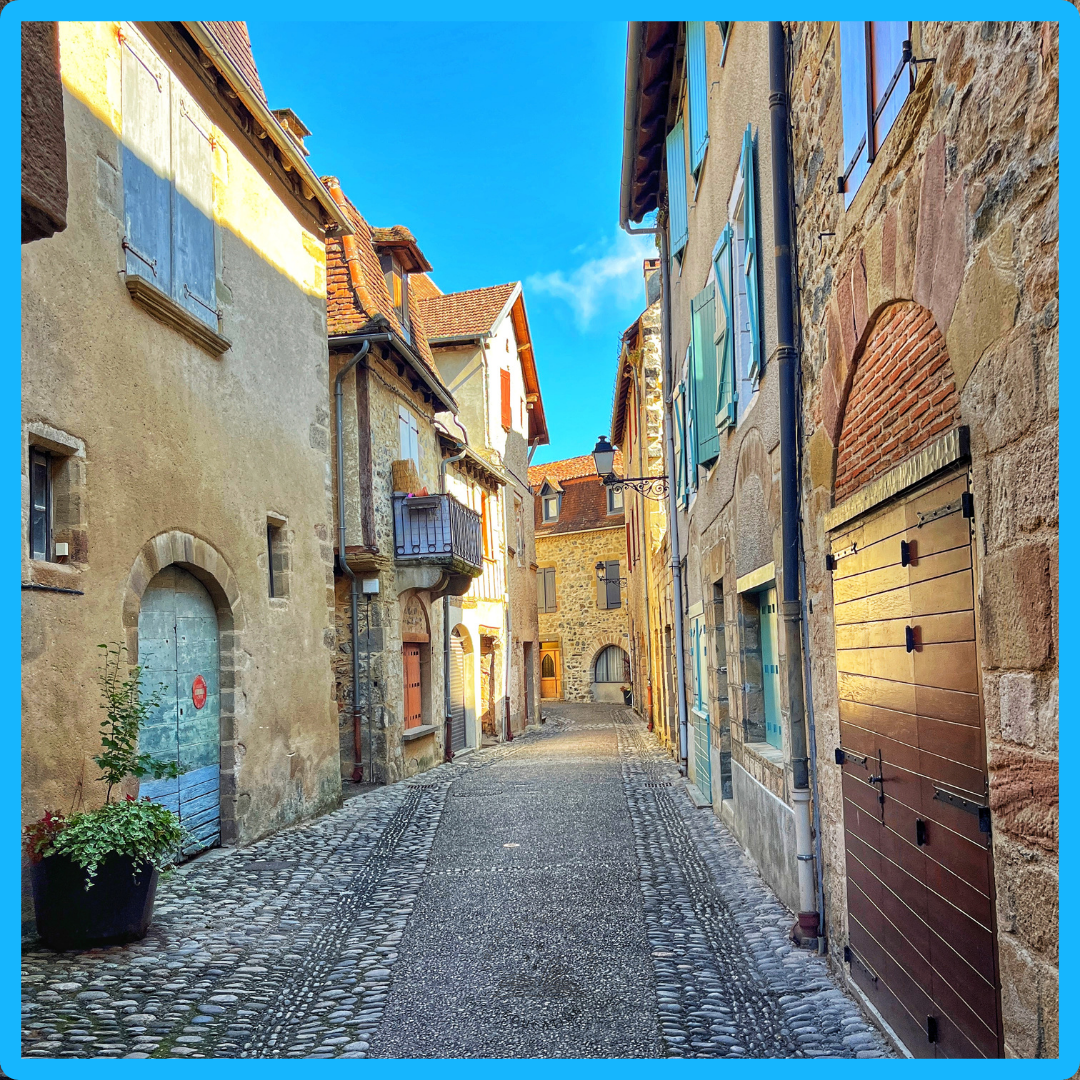
Image: taken in Abbatiale on holiday
Many learners can say ‘j’habite…’ but don’t retain or connect the word beyond that moment. This resource makes ‘habiter’ stick by linking meaning, form and word family.
View a free sample of this approach:
Salut (French) – Structured Vocabulary Support (Free Sample)
What It Does
This resource introduces ‘habiter’ through its core meaning, ‘to live somewhere’, and builds understanding through clear explanation, simple visuals, and a structured word pathway. It connects the verb to related English words such as ‘inhabit’, ‘habitation’, ‘habitat’ and ‘habit’, helping learners see vocabulary as part of a system rather than isolated items. The focus is on recognition, recall and confidence over time.
What Makes It Different
• Meaning-first approach before history or explanation
• Carefully controlled etymology to support memory, not overload it
• Visual sequence designed to anchor understanding without distraction
• Links to familiar English vocabulary to strengthen retention
Originally created to support my own child’s vocabulary retention.
Who It’s For
KS3 learners, particularly those who struggle to retain vocabulary, including dyslexic and neurodivergent learners. Also suitable for tutors and parents supporting French at home.
How To Use
Use in short, guided sessions of 5–10 minutes. Start with the modern meaning, then explore the visuals. Revisit regularly over time rather than completing in one sitting.
Explore more structured vocabulary resources in The Forge, and connect word learning to morphology through The Wordcrafter’s Bench.
You may also be interested in:
• Salut (French) – Structured Vocabulary Support (Free Sample)
• Grand (French) – Structured Vocabulary Support
• Près de (French) – Structured Vocabulary Support
• Chez (French) – Structured Vocabulary Support
© Great Expectations Education
For personal use in home education and tutoring only.
Image: taken in Abbatiale on holiday