Saviour – a word shaped by rescue and kingship
Luke 2:11
‘For today in the city of David a Saviour has been born to you; he is the Messiah, the Lord.’
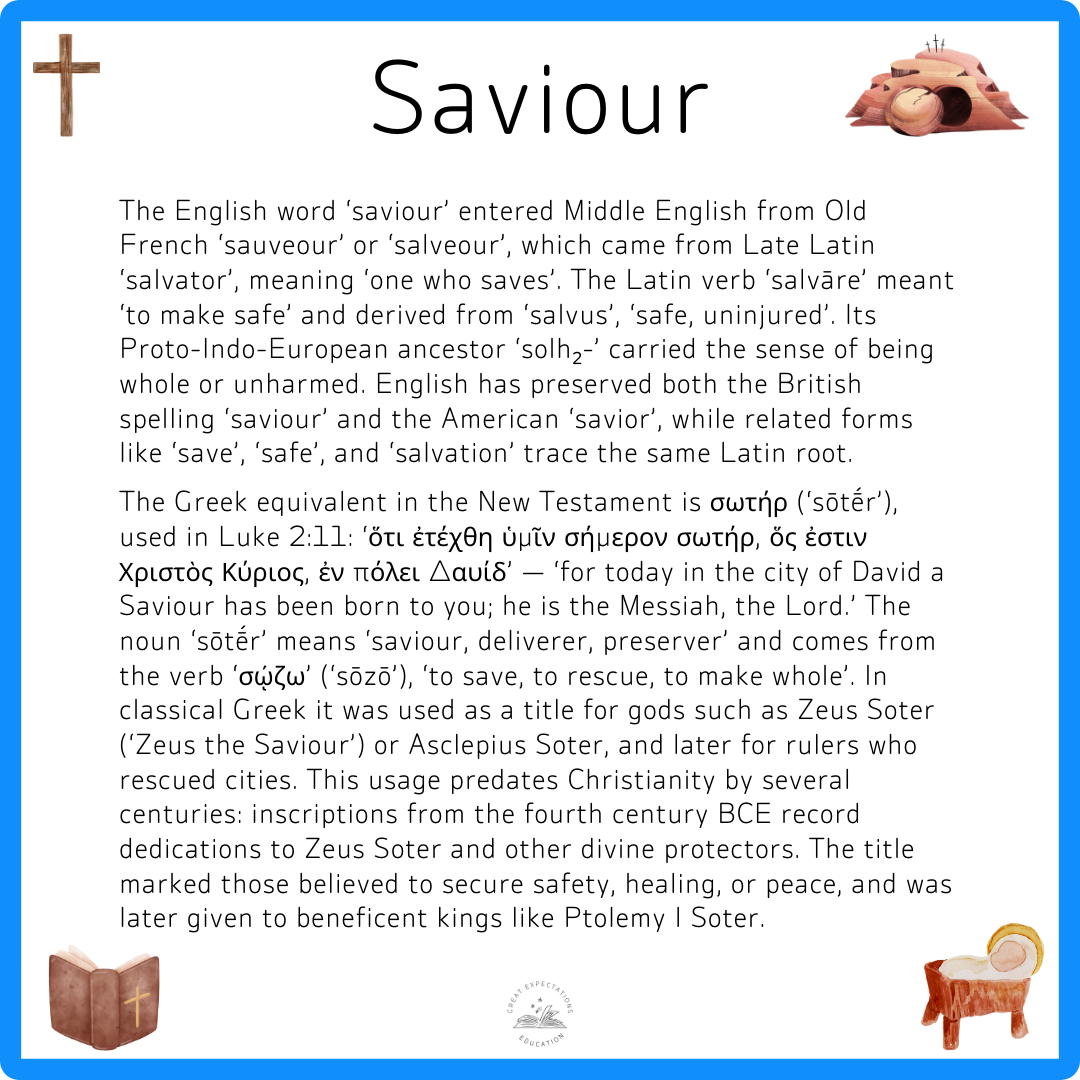
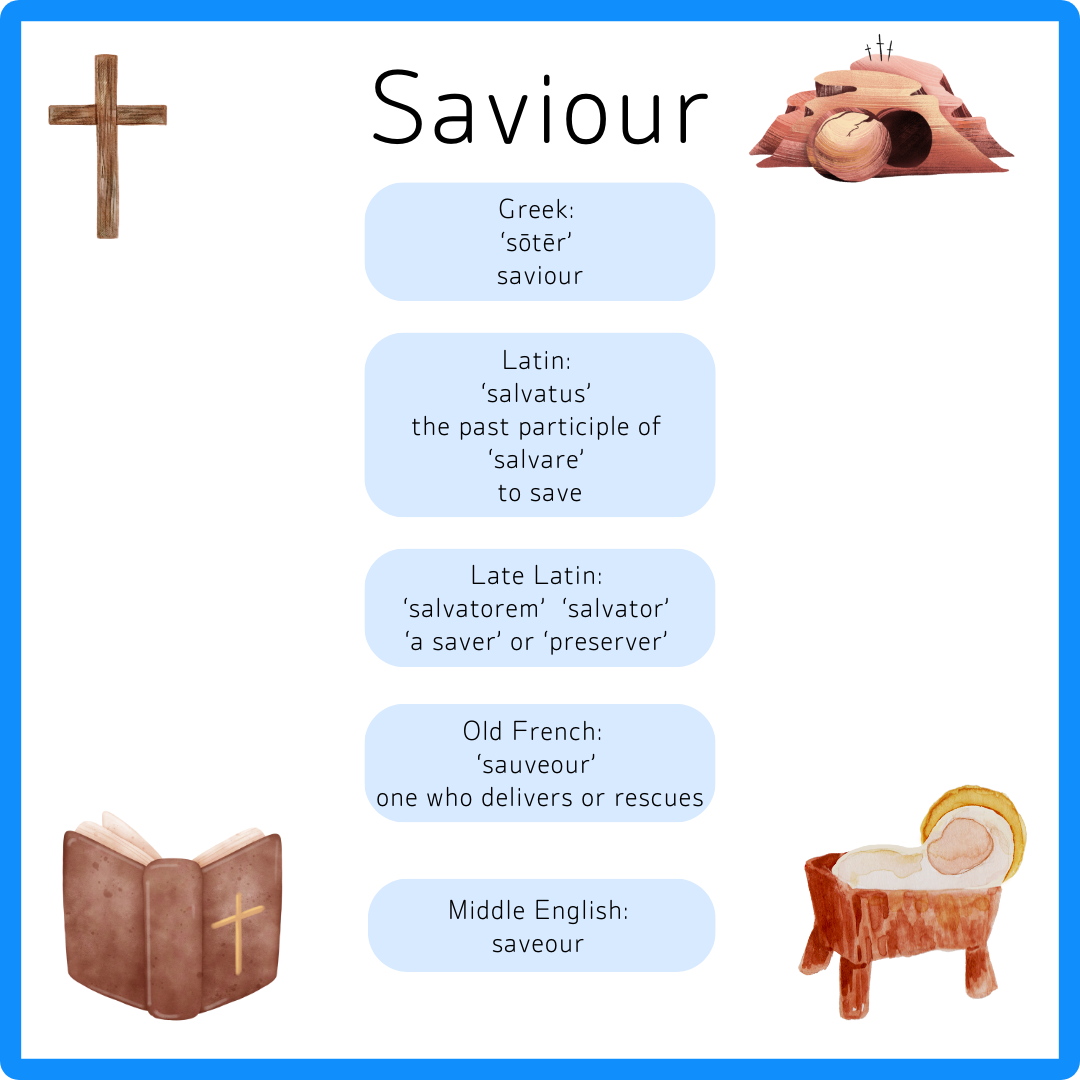
Christmas Day brings us to the heart of the story. The English word ‘saviour’ reaches us through Old French from Latin ‘salvator’, the one who makes safe. Its deeper history in Greek adds still more. The New Testament uses ‘sōtēr’ for one who saves or brings deliverance. Earlier Greek writers used this word for rulers or healing gods who protected their people, but the Gospels apply it with a clear focus: Jesus Christ is the Saviour who brings true and lasting rescue.
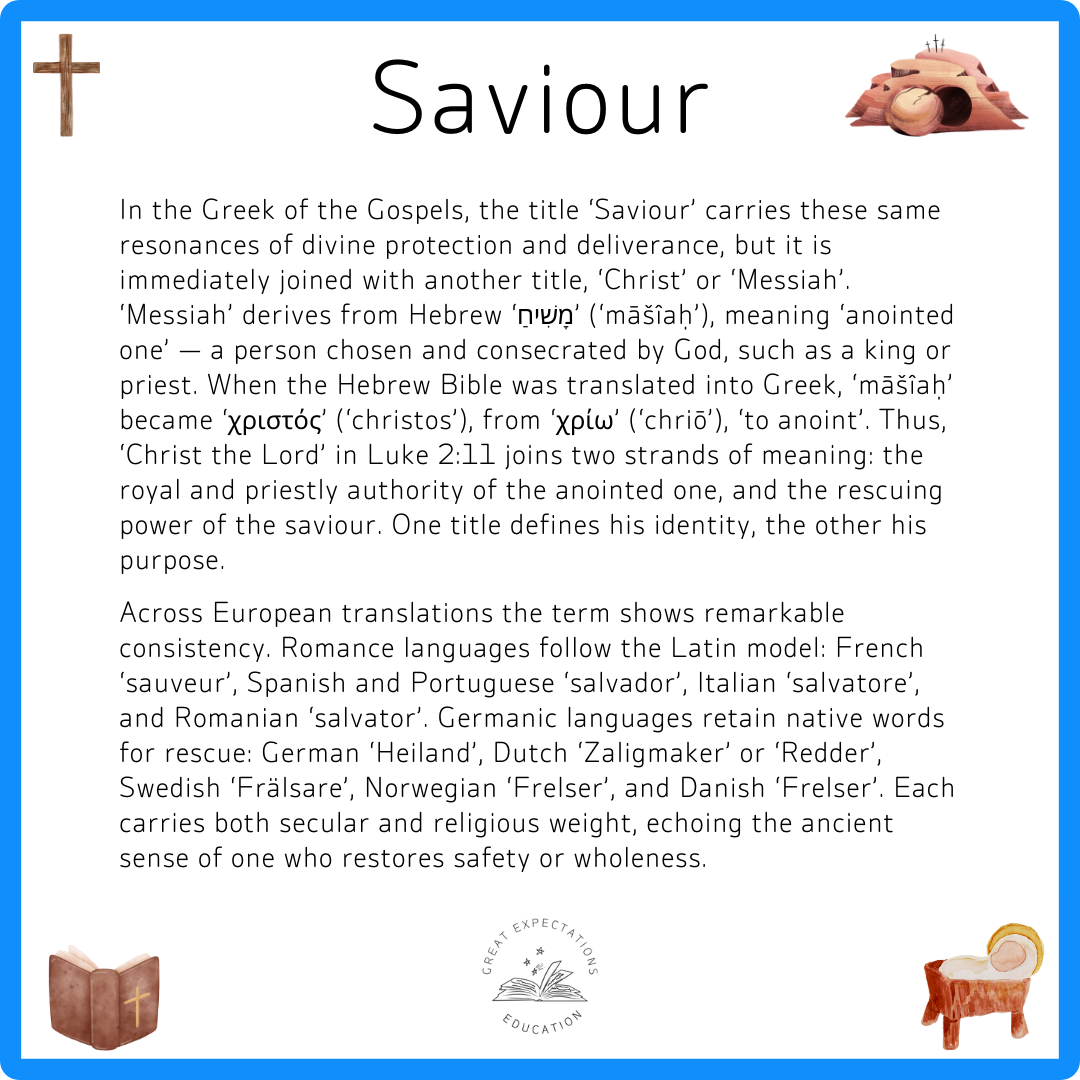
Luke joins this title with another, ‘Messiah’, the anointed king promised in the Scriptures. Together they hold identity and purpose. The child born in Bethlehem is the king set apart by God, and the one who restores his people.
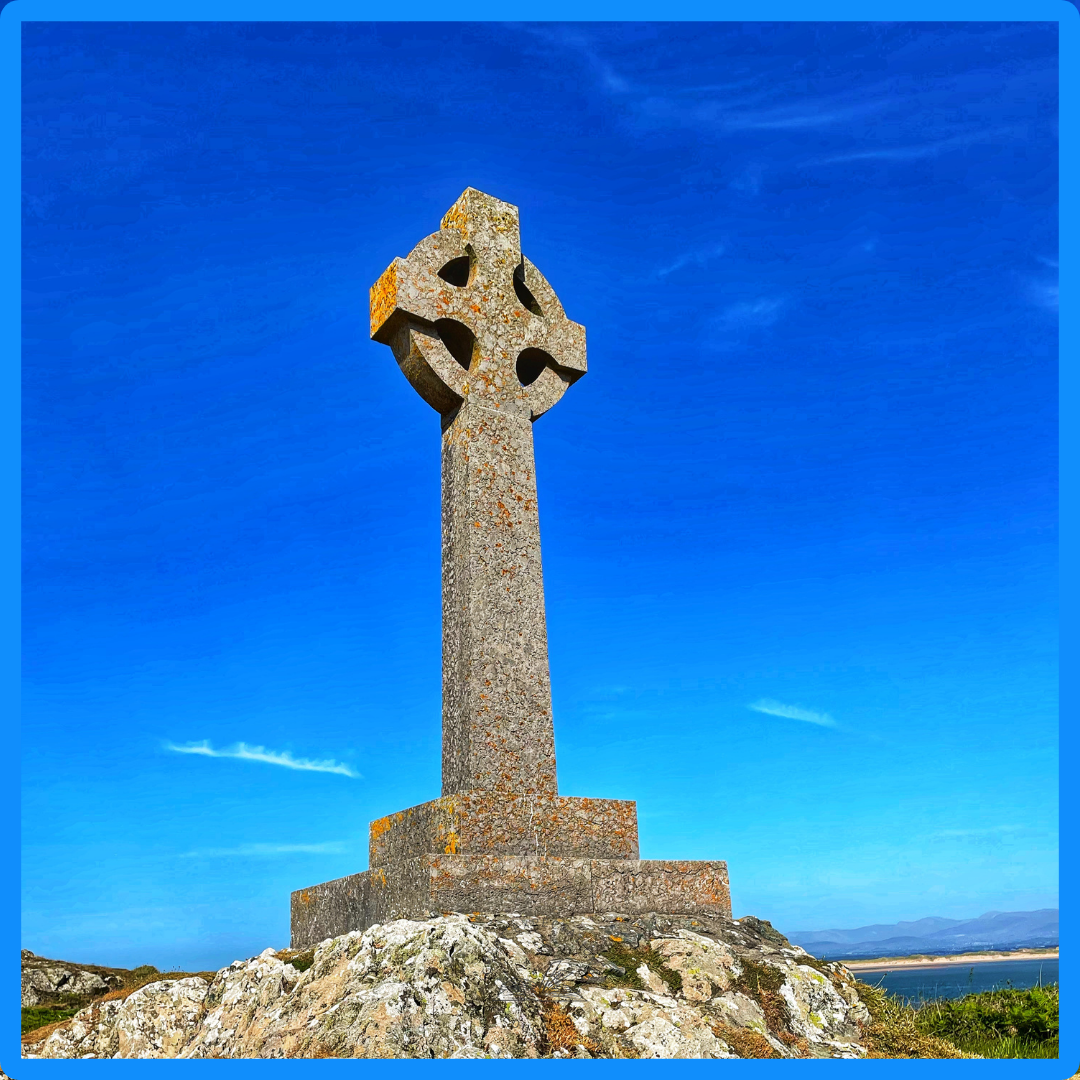
The photograph above was taken on the cliffs of Anglesey beside a weathered Celtic cross. Its shape against the open sky hints at the long journey these words have taken before arriving in the Christmas announcement.
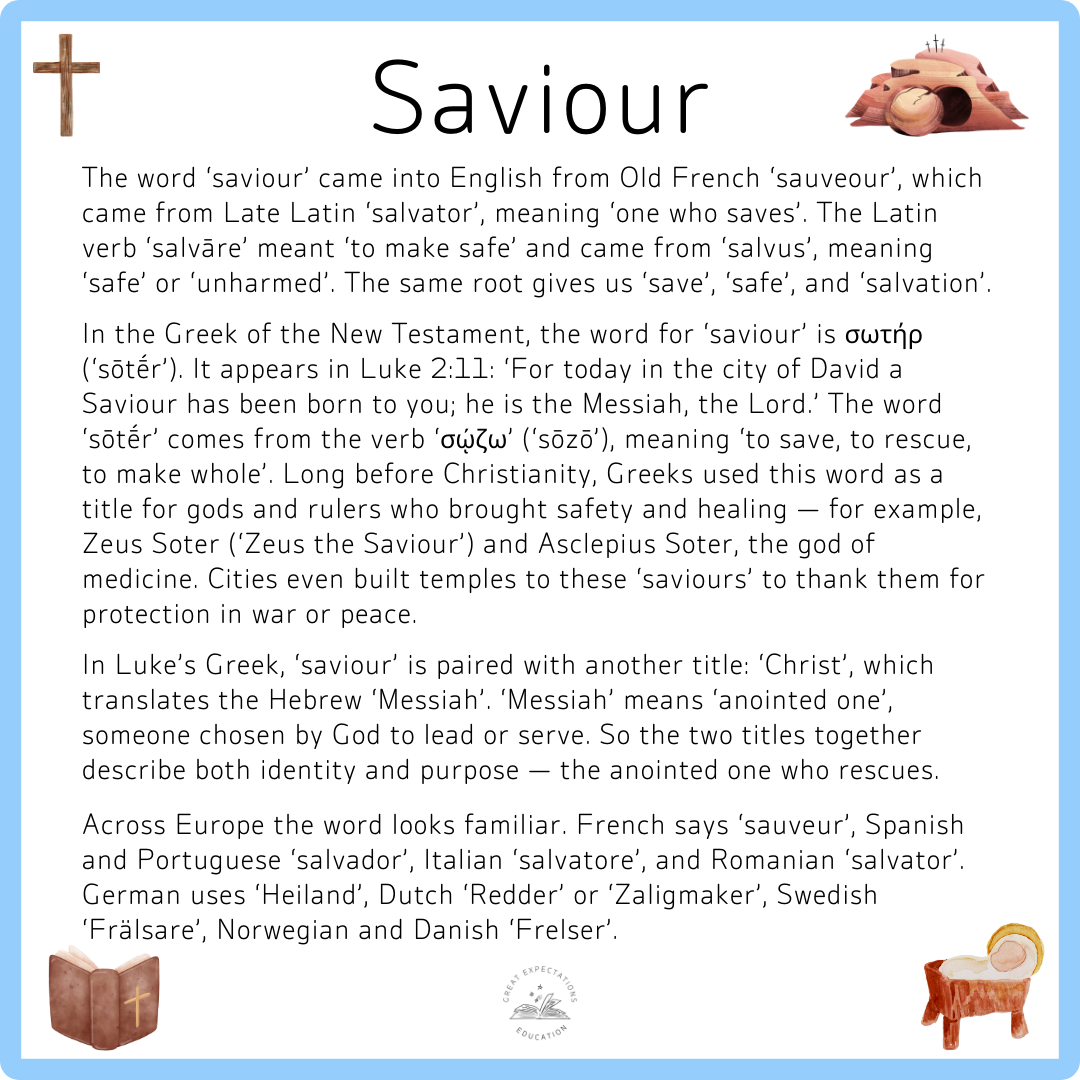
Each word card set begins with an image that captures the theme of the word. The following cards trace its story: a main word card (or two, if extended), a junior version with a paler border, an etymological breakdown showing how the word travelled through time, and a list of sources. Some sets also include cards for related words or translations across other languages. Together they show where each word came from, how it changed, and what it still carries with it.