La rentrée
la rentrée - one French word for something English needs a sentence for
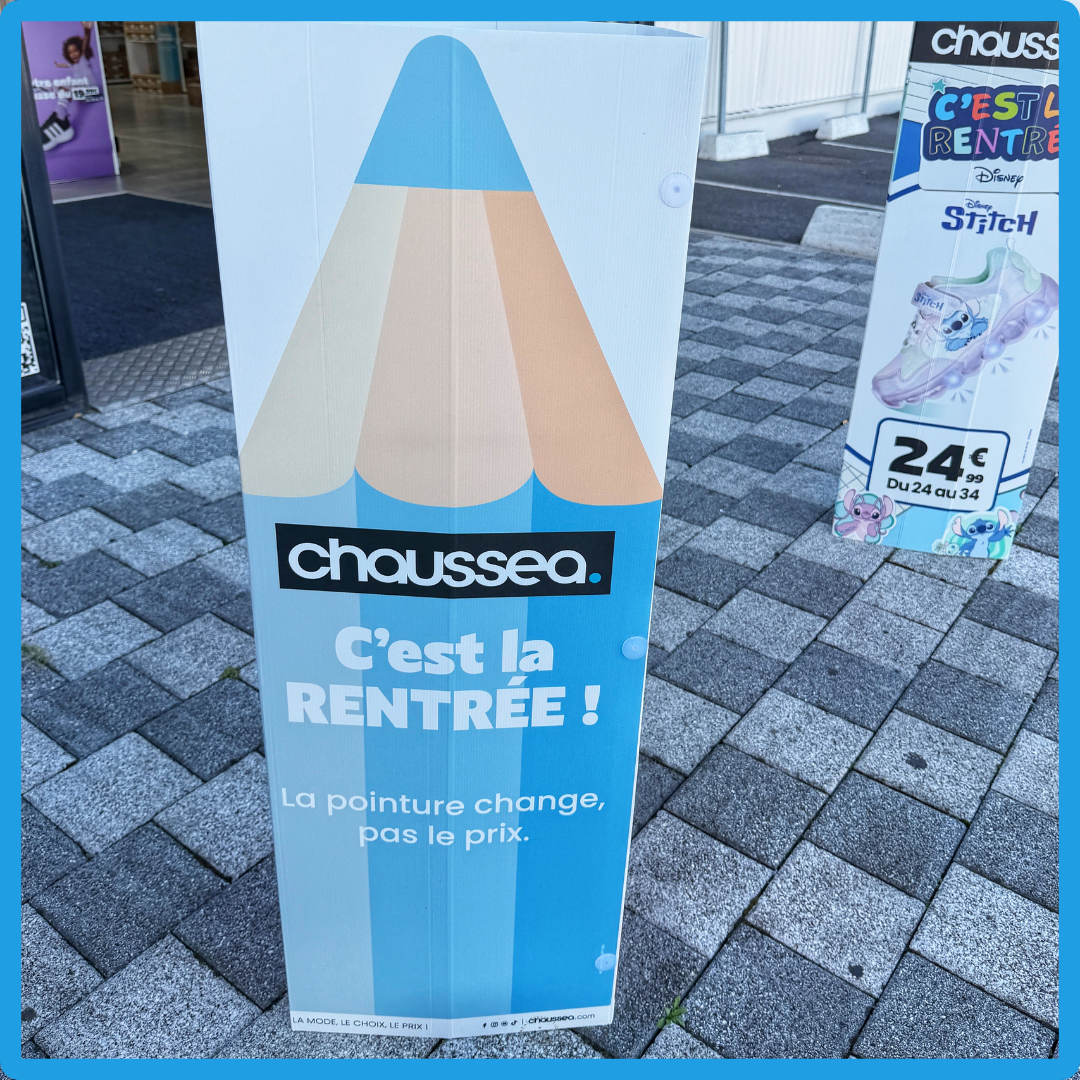
I learned a new word last week after seeing signs in French talkking about something called ‘la rentrée’, so of course I had to look it up. Outside a shoe shop there was a cardboard pencil about the height of a small child with ‘C’est la RENTRÉE !’ printed down the side of it.
English does ‘back to school’. Three words where French has one.
The French word covers a great deal more than that. The Académie française dates ‘rentrée’ to the thirteenth century and describes it as the feminine past participle of ‘rentrer’ pressed into service as a noun - the same move that had already turned ‘entrer’ into ‘entrée’ a century earlier. Its plain sense is a going-back-in. Its second sense is the resumption of activity after a break, and the Académie lists what resumes. ‘La rentrée parlementaire’. ‘La rentrée solennelle de la Cour de cassation’. The public opening session of the Académie française itself. ‘La rentrée des classes’, ‘rentrée scolaire’, ‘rentrée universitaire’, ‘rentrée théâtrale’, and ‘rentrée littéraire’ - which the Académie defines as the moment at the end of summer when new novels appear in quantity.
Used on its own, with nothing after it, ‘la rentrée’ is the whole period. ‘Nous verrons cela à la rentrée’ means we’ll deal with that in September. ‘Les achats de la rentrée’ is the rentrée shopping. That last one is what was in the shop window.
So France has a single noun for a national restart. Parliament comes back, the courts come back, the theatres come back, the publishers put out several hundred novels at once, and 11.6 million children go back to school - that figure is the ministry’s own, from its communication to the Conseil des ministres on 31 August. One word does all of it. English splits the same ground between back to school, the new term, the new academic year, the new season, Parliament returning and getting back to normal, and has nothing that covers the lot.
English did take the word once, by another route. ‘Re-entry’ is mid-fifteenth century and was probably modelled on Old French ‘rentree’ rather than borrowed outright. English used it for a landlord’s right to repossess a property, and in 1948 handed it to spacecraft. The one thing France does with this word every September is the one thing English never picked up.
There is a smaller word behind it, too, for the day before. ‘La prérentrée’ is when the teachers go back and the children don’t. ‘Pré-’ before, ‘r-’ again, ‘entrer’ to go in. The going-back-in that happens before the going-back-in.
If you want the whole family, it’s in L’atelier des mots: ‘entrer’, ‘entrez’ and ‘entrée’ before the prefix goes on, and then ‘rentrer’, ‘rentré’, ‘rentrée’ and ‘prérentrée’ after it.