

The Wordhord
In Old English, a wordhord was a hoard of words — a store of language kept close, ready to be drawn on when it mattered most. To unlock the wordhord was to begin to speak with purpose and skill.
One of the earliest and most evocative uses comes from Beowulf, just as the hero prepares to speak for the first time:
Him se yldesta andswarode, The eldest of them answered,
werodes wīsa, wordhord onlēac: the leader of the warriors, unlocked his wordhoard:
“Wē synt gumcynnes Gēata lēode “We are men of the Geatish people,
and Hīgeles heoras; Beowulf is mīn nama…” Hygelac’s hearth-companions; my name is Beowulf…”
To open one’s wordhord is not simply to speak — it is to draw on knowledge, memory, and meaning, and shape them into something that can be shared.
This section gathers reflections on the structure, history, and meaning of English words. You’ll find etymology cards, seasonal explorations, and word-family notes that trace how language grows — not at random, but through stories, roots, and sound.
Each entry examines how a word was built, where it came from, and how its meaning has shifted through time, translation, and use. It’s a place for wordcraft grounded in history — practical, curious, and shaped by the belief that language is not just learnt, but forged.
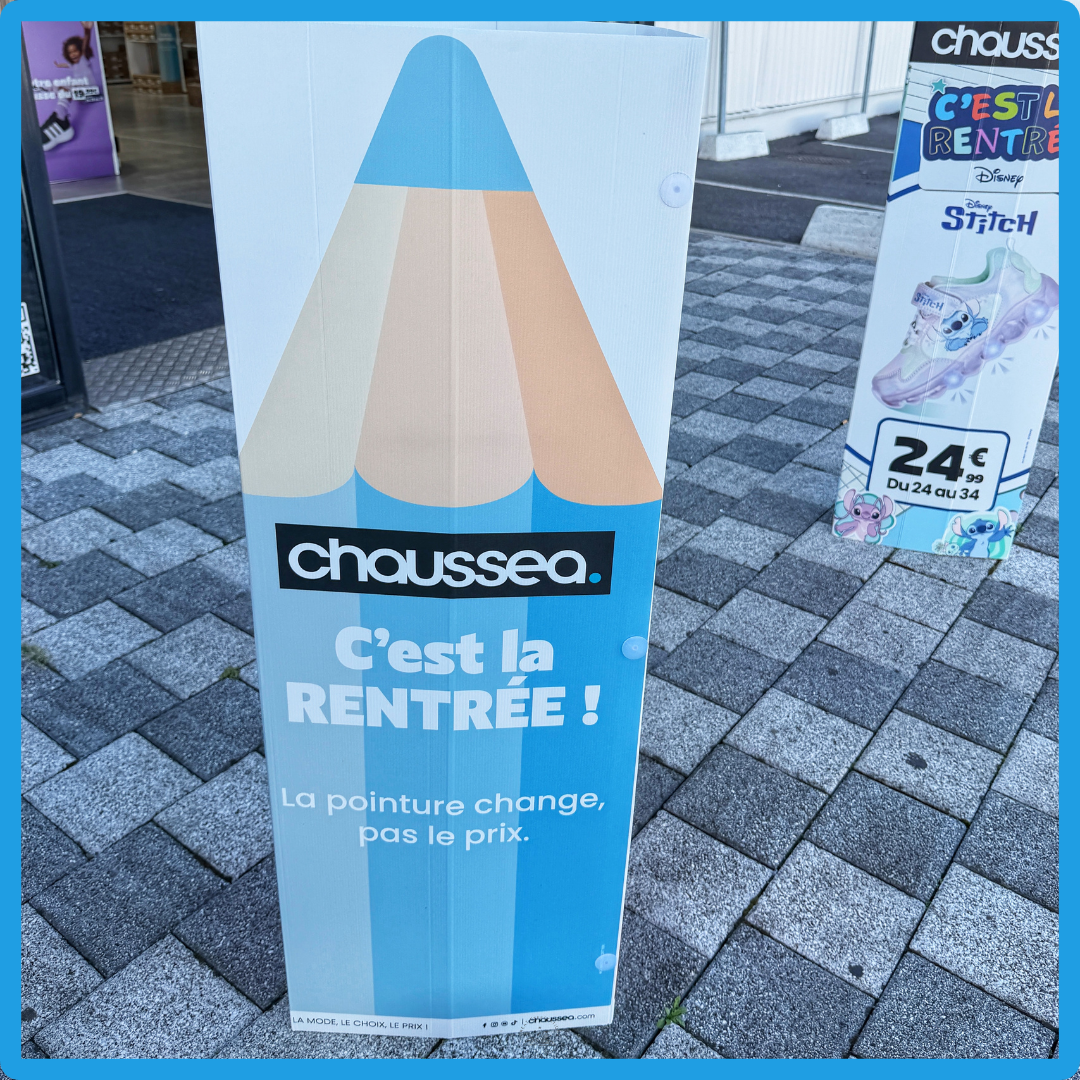
La rentrée
French has one word for the whole country going back after the summer - schools, parliament, the courts, the theatres, the publishers. English has back to school.
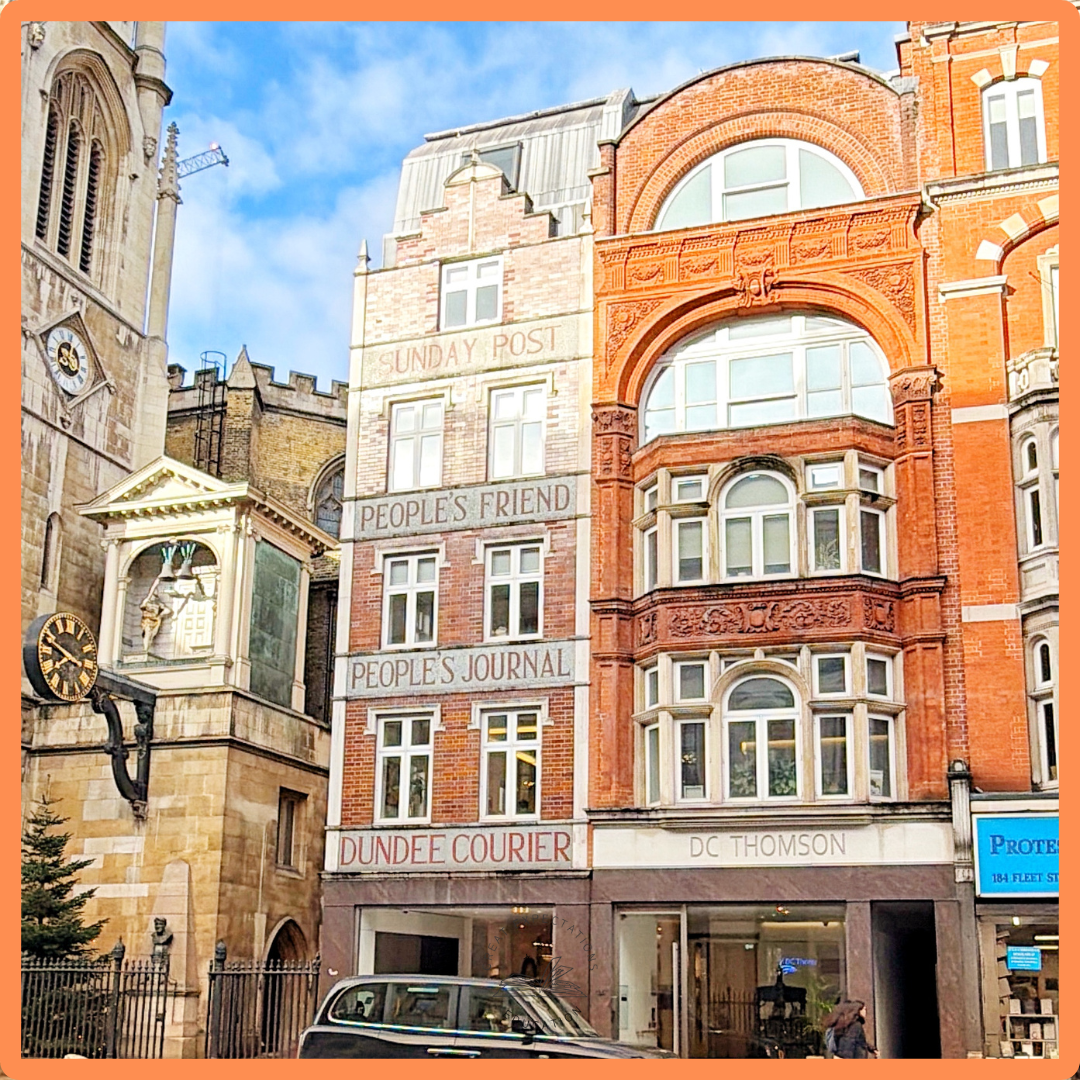
Journal: the daily book that kept changing what "the day" meant
‘journal’ comes from Latin ‘diurnalis’, ‘daily’ - the same ‘day’ root as ‘journey’ and ‘diurnal’. A free word-origins card for curious readers.
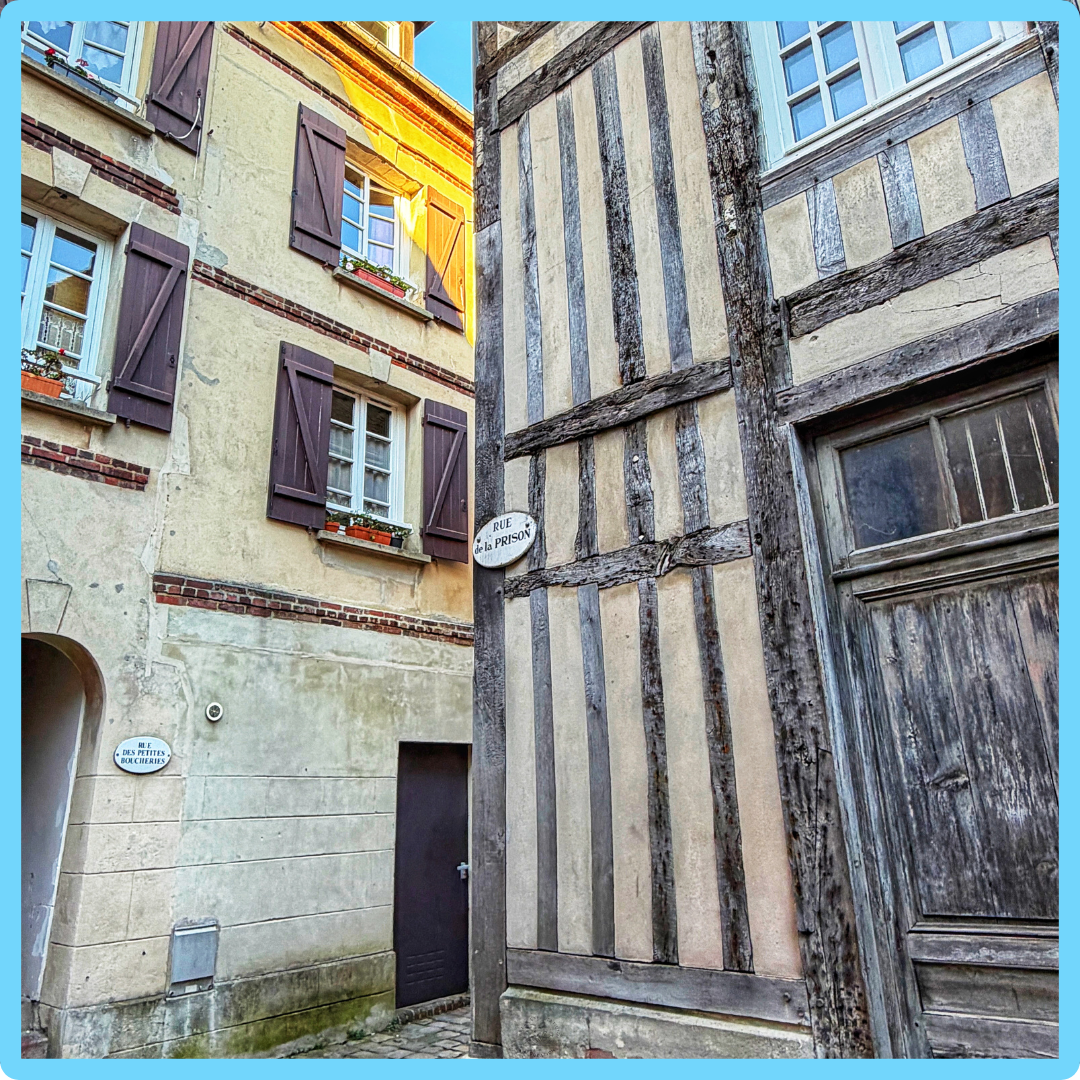
Prison - a taking, worn down
A prison is, at root, the place where someone is seized and held.
Proper: belonging before behaving
How the English word 'proper' shifted from 'one's own' to 'decent' - the word history of 'proper', its Latin root and its surprising French cousin.
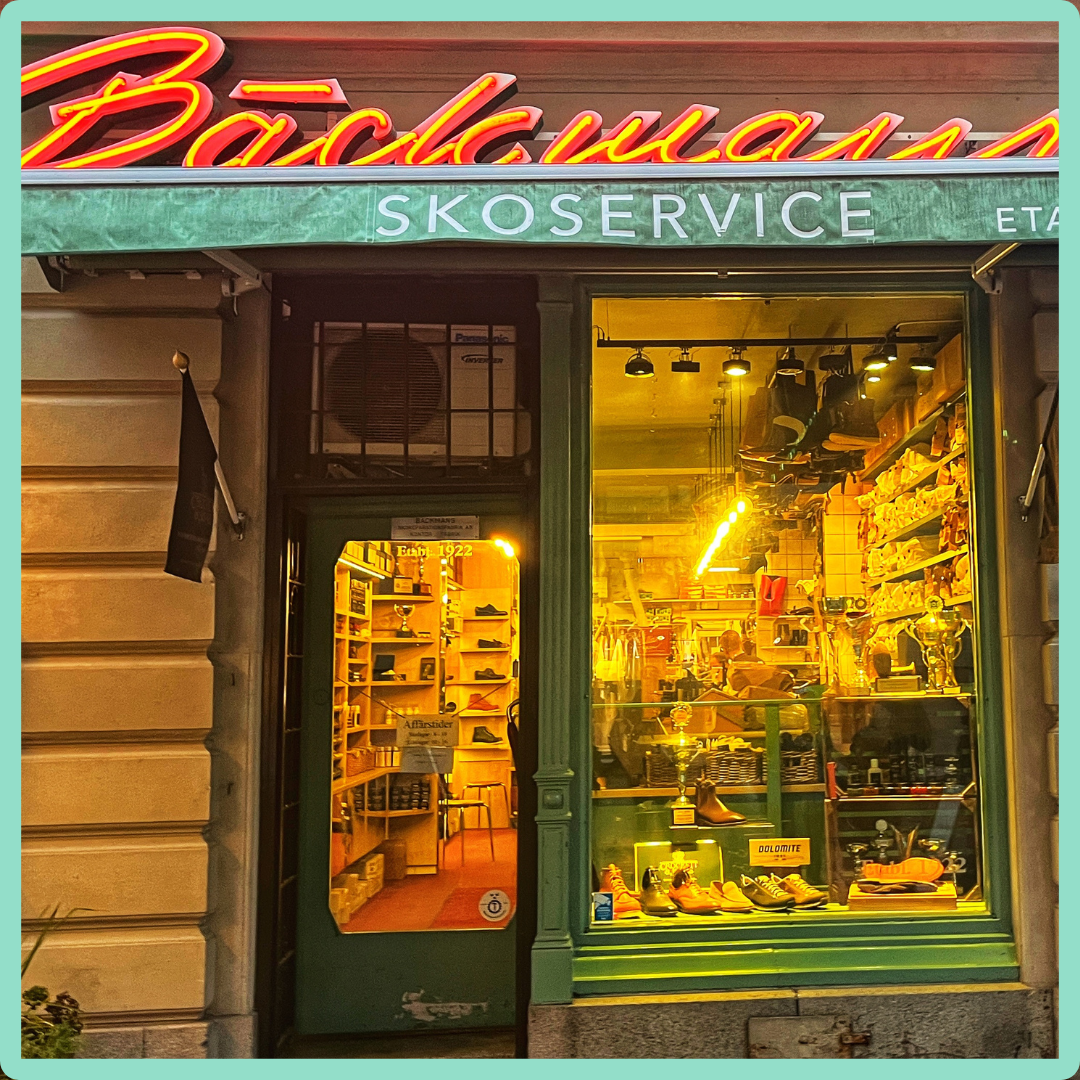
Shoe: a covering that has barely moved
From Old English ‘scoh’ to modern ‘shoe’ — a word that has barely moved in meaning for over a thousand years. Germanic stability, Romance divergence.

Phare: from Pharos to headlamp
We walked past Honfleur's landlocked lighthouse every day. The word 'phare' traces back to a Greek island and a building so famous it stopped being a name and became a word.

Crocus: the saffron thread beneath spring
Crocuses appeared on the village green after weeks of cold rain. Their name, it turns out, travelled much further than the flower itself — from Greek ‘krokos’ meaning saffron into Middle English almost unchanged.
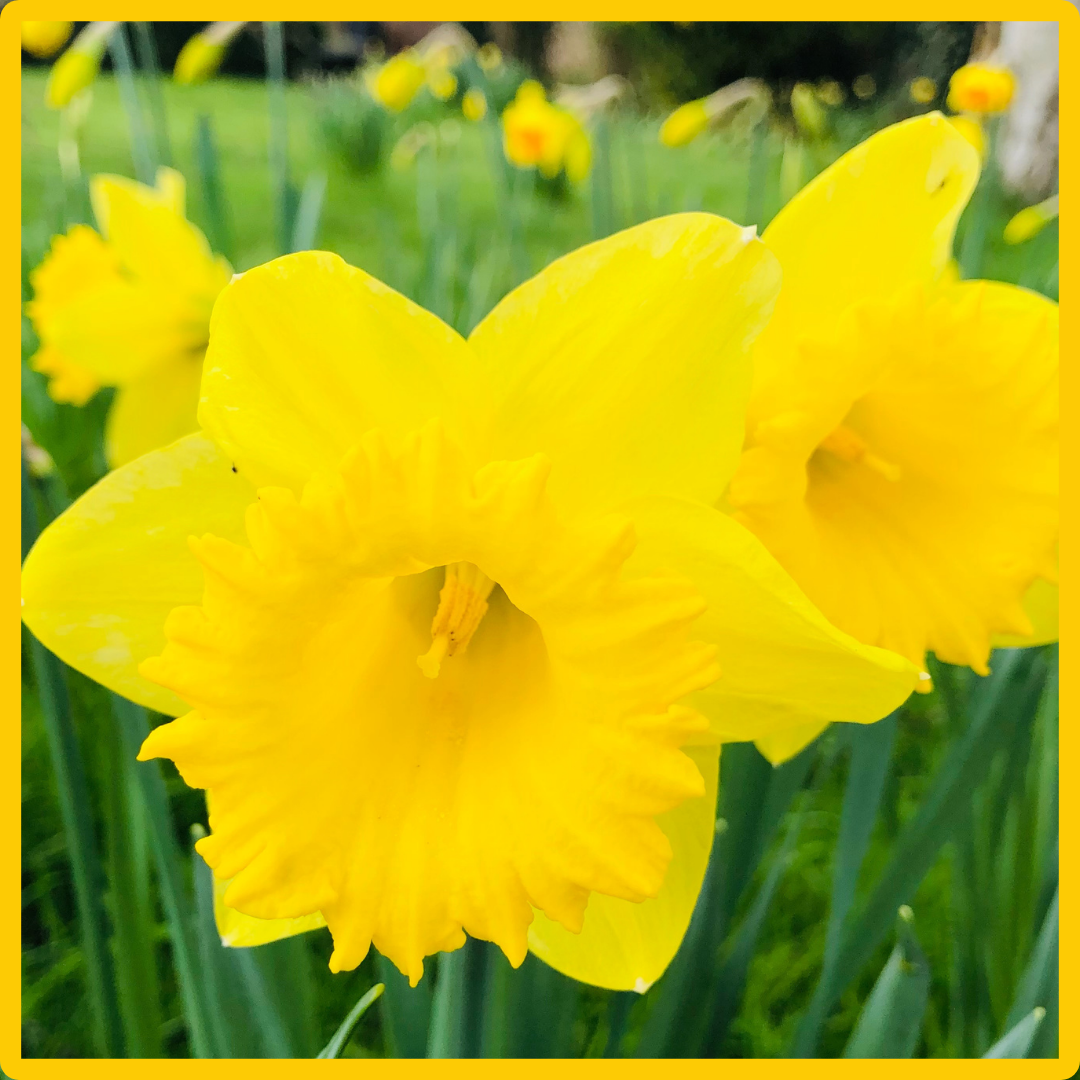
Daffodil: a flower with two names and a folded history
From Greek ‘asphodelos’ to botanical ‘narcissus’, the daffodil carries two naming traditions: one classical, one seasonal. A spring flower shaped by trade, myth, and morphology.
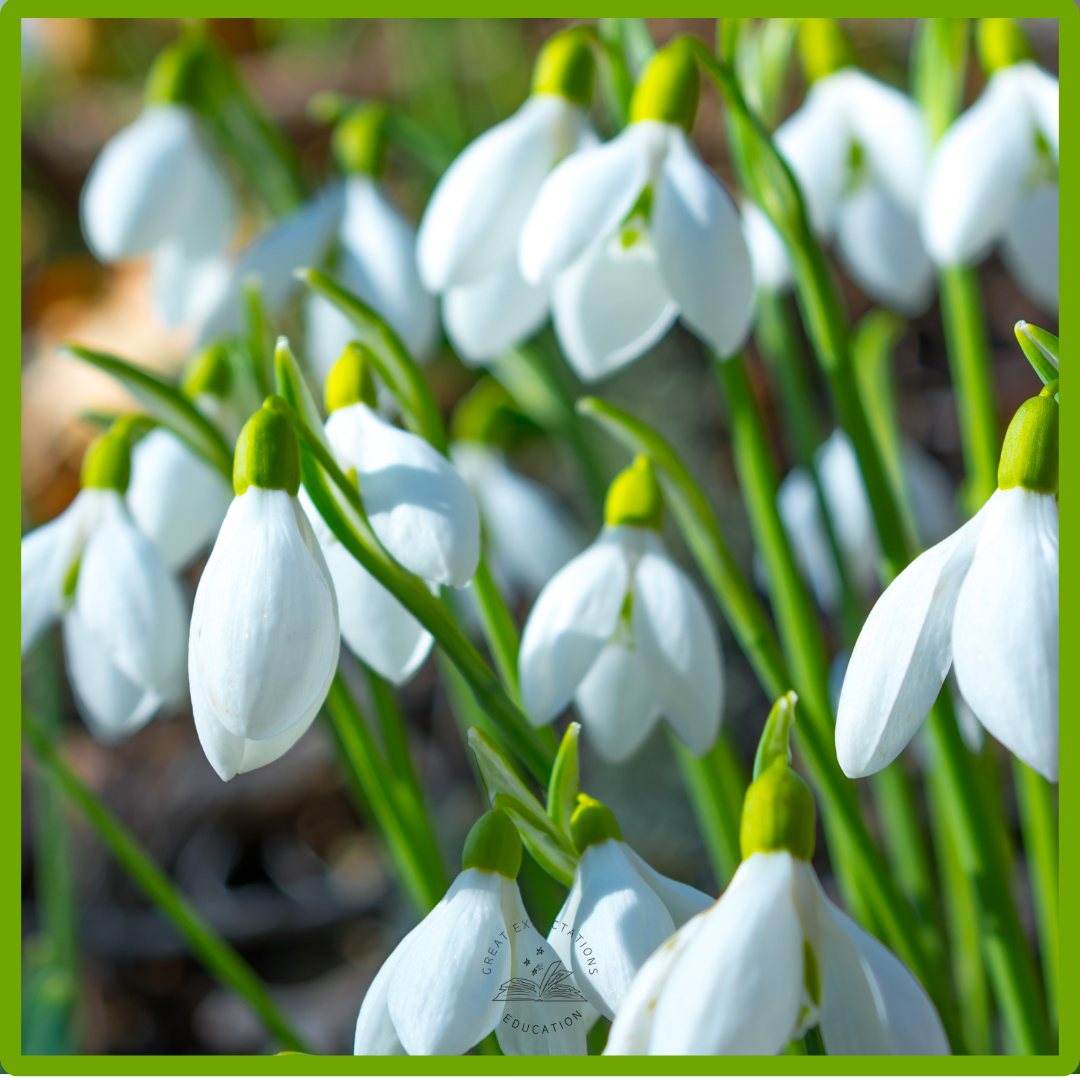
Snowdrop: a word that falls through winter
The etymology of ‘snowdrop’ reveals a clear English compound — ‘snow’ + ‘drop’ — alongside related forms in German, French and Swedish. A study in structure, season and morphology.

Seuil: the place where the foot lands
The French word ‘seuil’ names the stone or bar at the bottom of a doorway. The part you step on as you cross in or out. From Latin ‘solea’, meaning the sole of a foot or shoe, the word is rooted in physical contact and movement. A ‘seuil’ is defined by what the body does, not by how the doorway looks.

Clé and clef: opening doors and staves
The French word ‘clé’ names the object that opens and unlocks. It also names the element that makes a system readable or understandable. This word card traces ‘clé’ from Latin ‘clavis’, through its older spelling ‘clef’, and into its parallel lives in everyday French and musical notation, where a clef quite literally unlocks how sound is read.

Poignée: a handle and a handful
The French word ‘poignée’ names what the hand closes around. From a handful to a door handle, its meaning is shaped by grip and use rather than appearance. This post traces how the word stays anchored in the action of the hand across everyday objects and meanings.
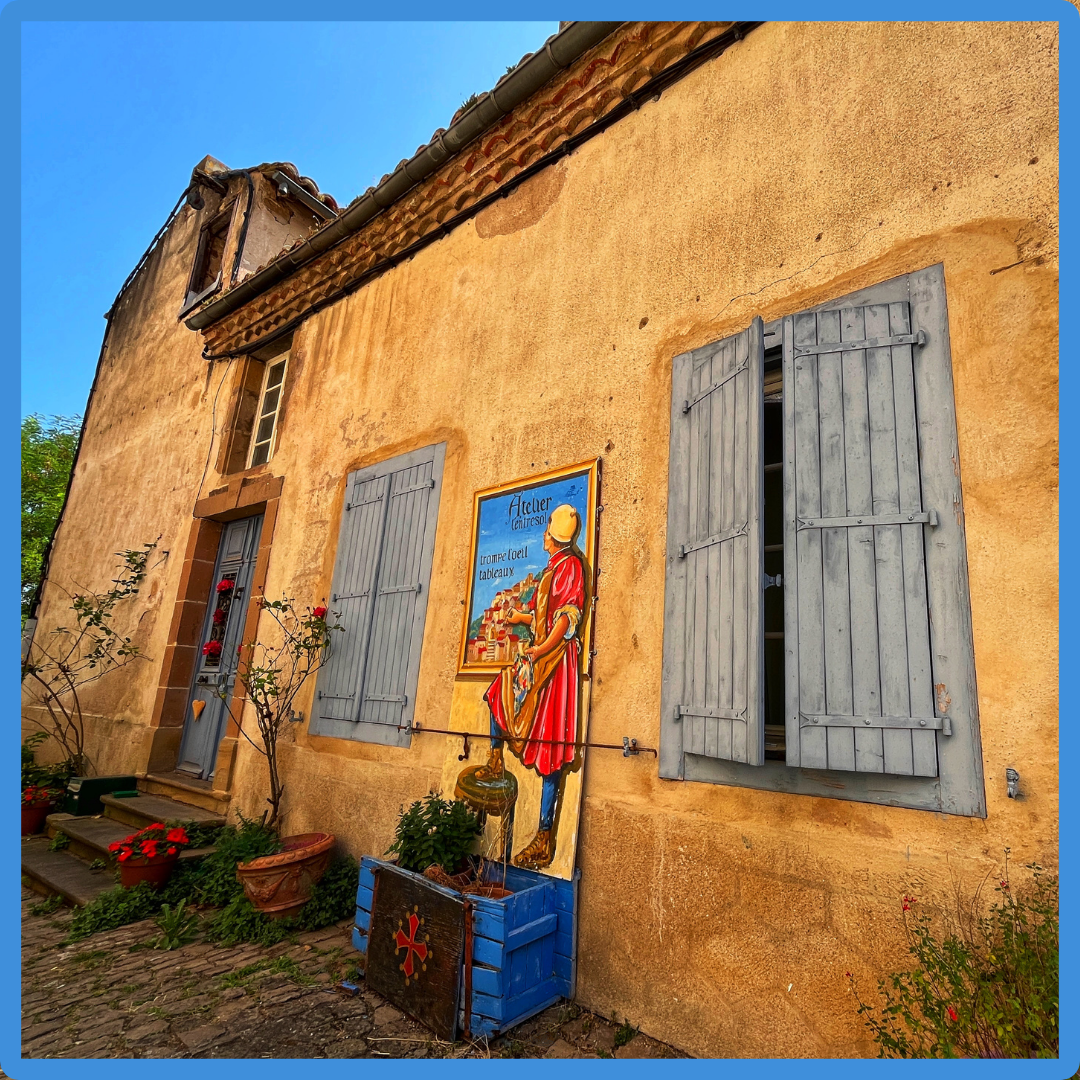
Volet: A shutter, not a surface
‘Volet’ is the French word for a window shutter. Derived from Latin ‘volare’, meaning ‘to fly’, it names a hinged panel defined by movement rather than appearance. The word reflects how buildings are used, not just how they look.
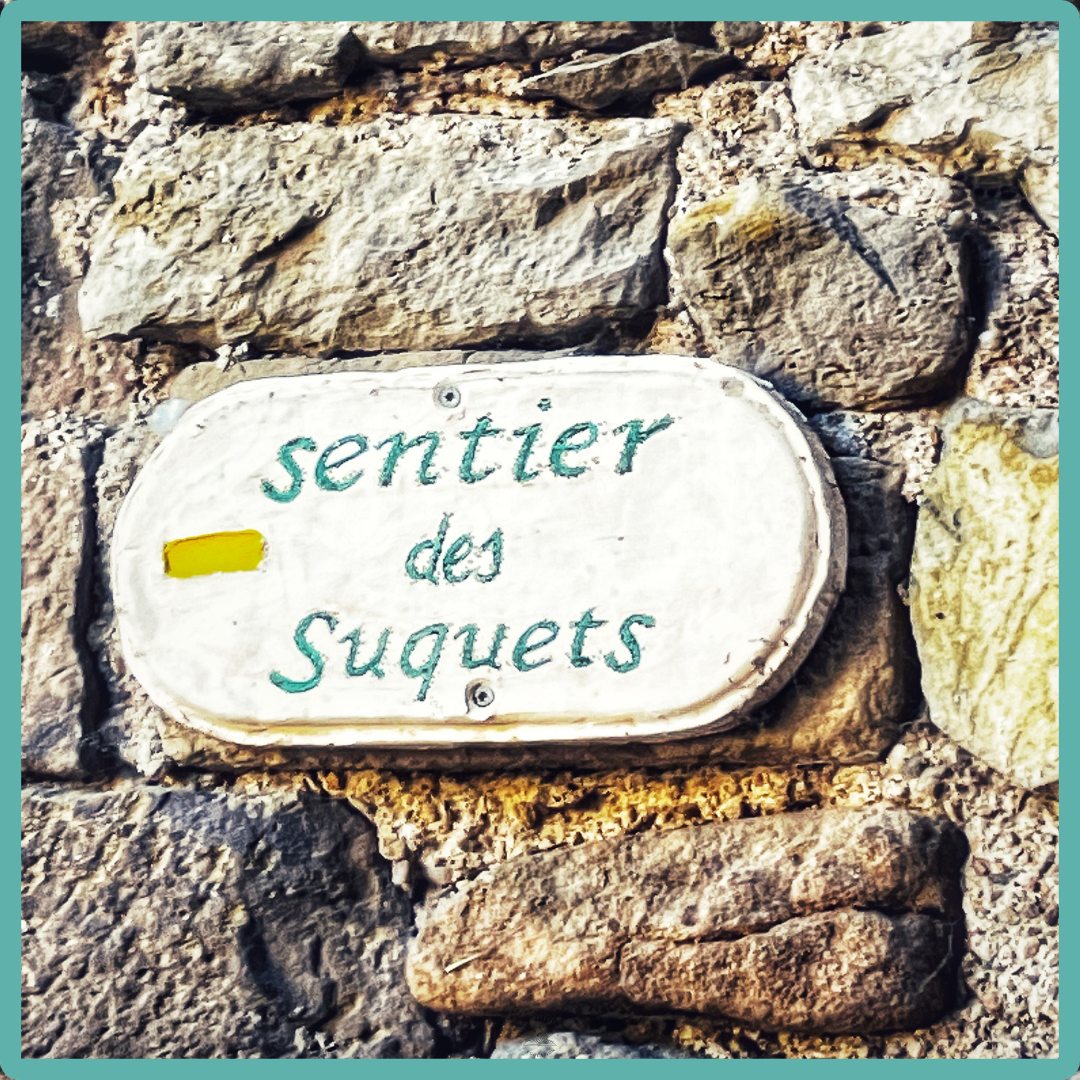
Sentier: a path made by going
The word ‘sentier’ names a narrow path made by walking rather than design. From Latin ‘semita’, it describes a route shaped by repeated passage and preserved in language.
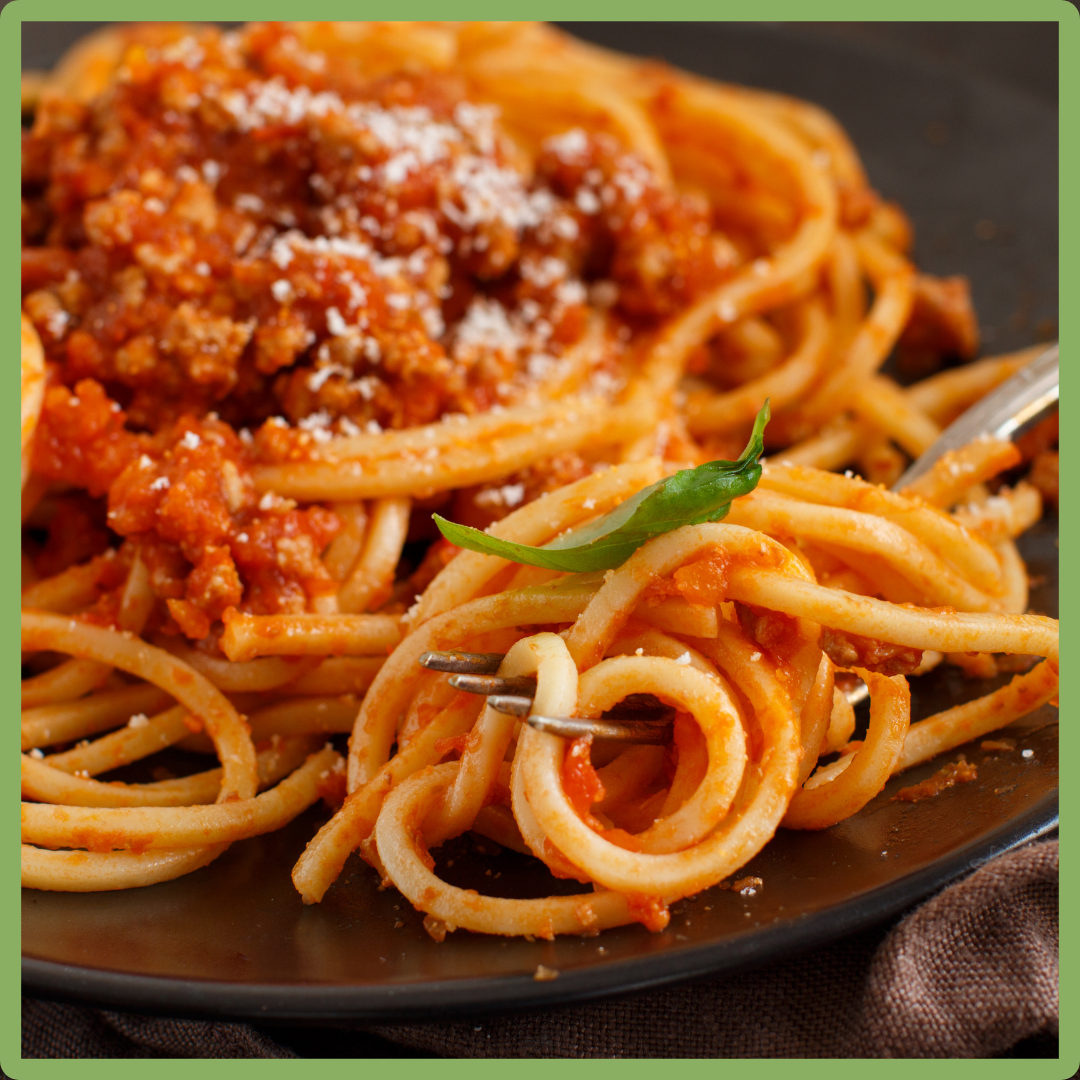
Spaghetti: A Story in Strands
The word ‘spaghetti’ comes from Italian ‘spaghetto’, meaning ‘little cord’. Its ancestor, Late Latin ‘spacus’, referred to a thread or strip. Arab influence in medieval Sicily shaped the early pasta strands called ‘itriyah’, which evolved into the spaghetti we know today.
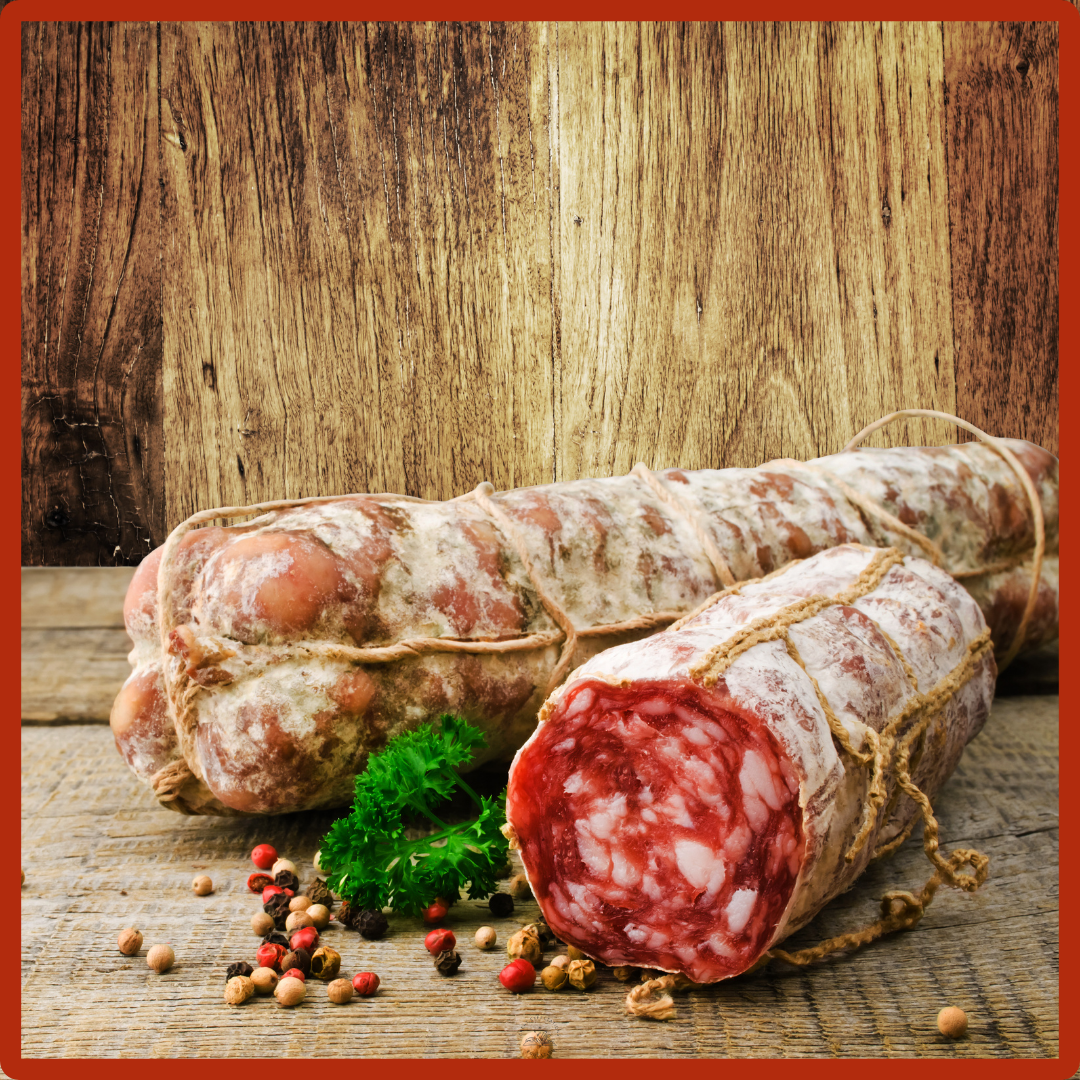
A Salted Thing
From Roman salt cellars to Italian delicatessens, the word salami has always meant ‘a salted thing’.

Pizza: from Greek ‘pitta’ to global flatbread
‘Pizza’ first appears in a 997 AD Latin charter from Gaeta. Its name may come from Greek ‘pitta’ meaning ‘cake’ or from the Lombardic ‘pizzo’ meaning ‘bite’. In Italian, it once meant any tart or flatbread. The Neapolitan dish of the eighteenth century turned it into the food we recognise today.

Shine: the long story of brightness and becoming light
A short exploration of the word ‘shine’, from Old English ‘scinan’ to the Hebrew forms behind Isaiah’s ‘arise, shine’. This study traces how English, Hebrew and European translations express radiance, brightness and becoming light.

Dream: a word that drifts between joy and revelation
A short exploration of the word ‘dream’, from its Old English meaning of joy to its role in Matthew’s Gospel as ‘onar’, a dream sent from God.
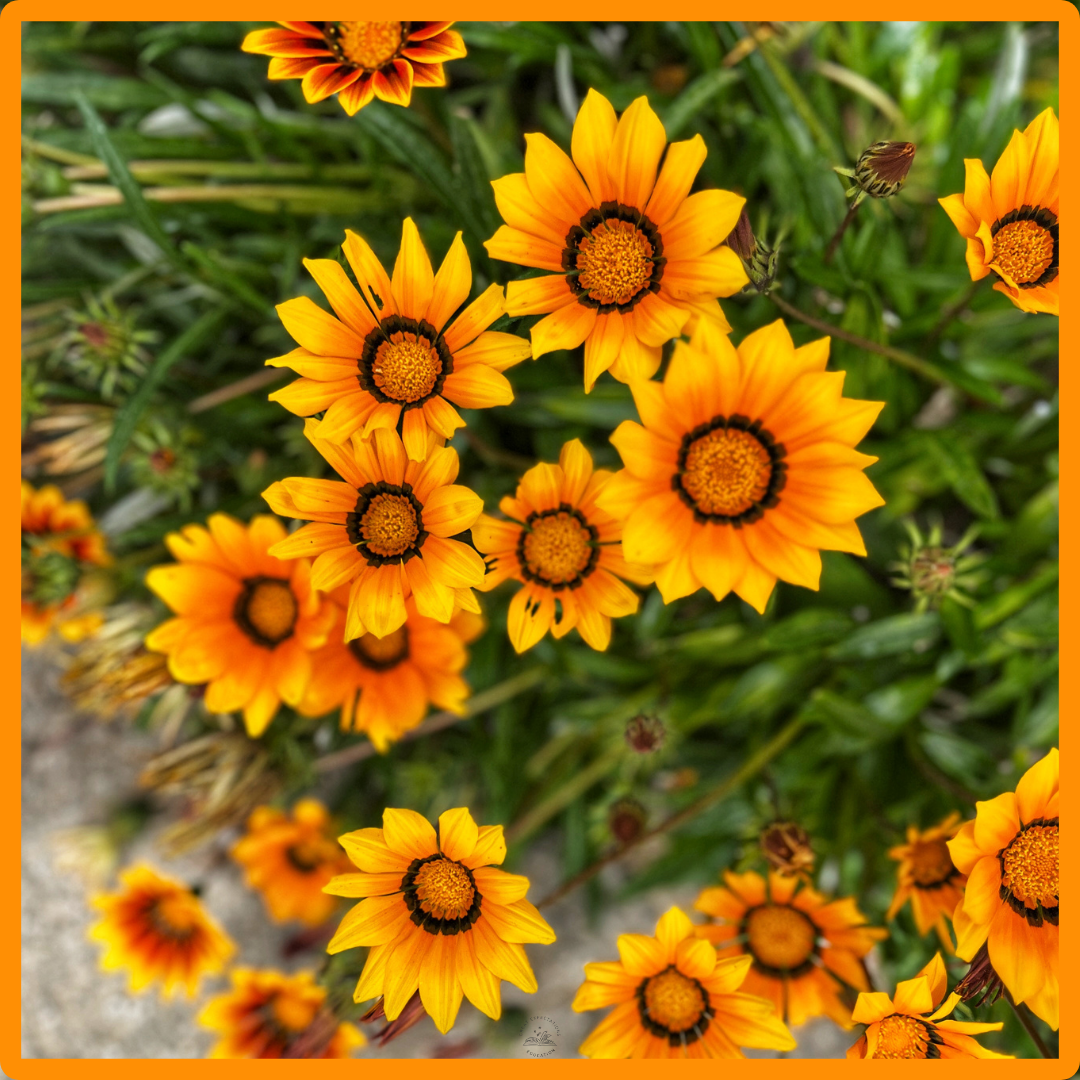
Gift: a word shaped by giving
Luke 2:11 names Jesus as both Saviour and Messiah. This post explores how the word ‘saviour’ travelled from Latin and Greek into English, and how its earlier uses for ancient rulers are reshaped in the New Testament to describe Christ alone. Image taken on the cliffs of Anglesey.