Clé and clef: opening doors and staves
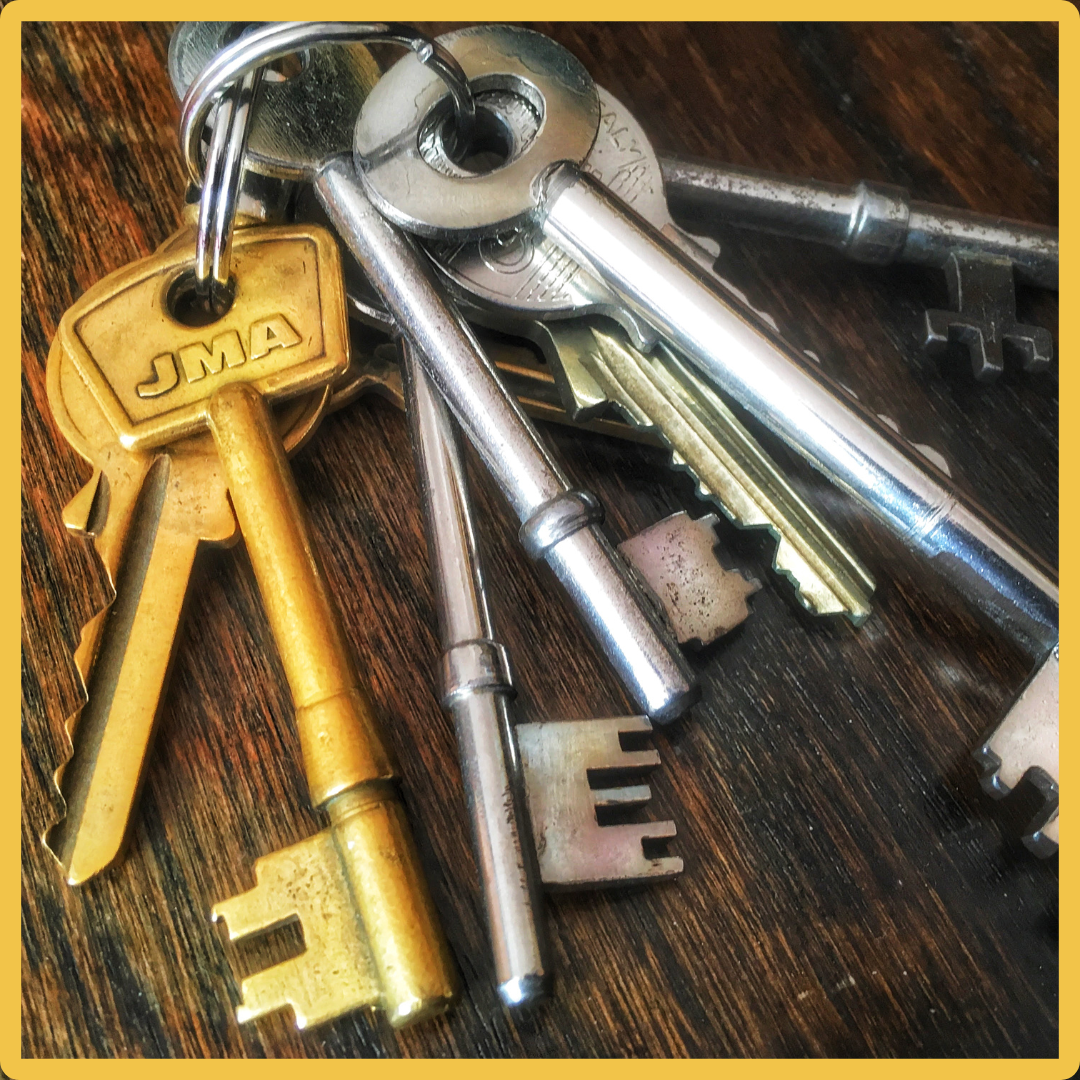
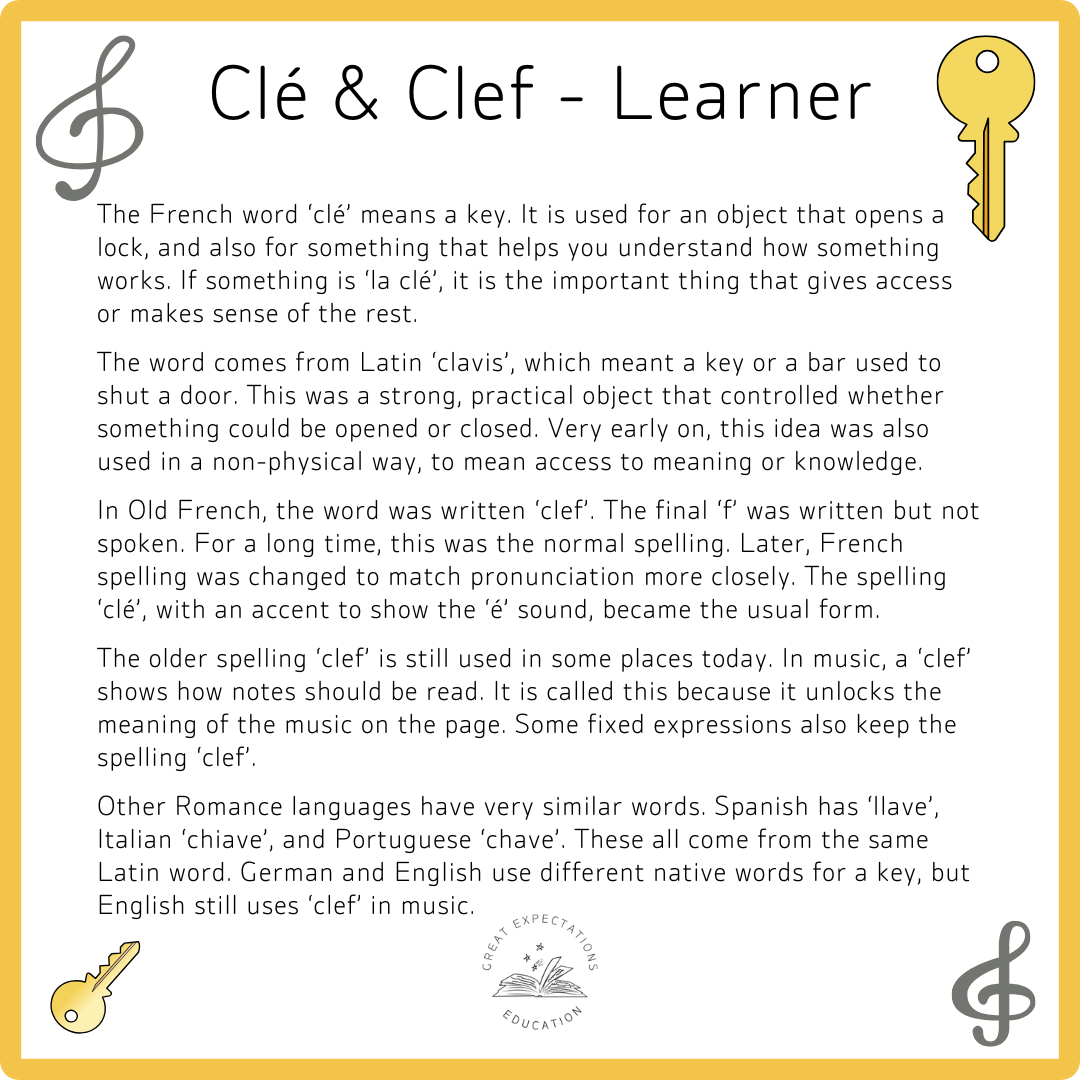
The French word ‘clé’ names the object that opens and closes. A door key. A lock key. By extension, the thing that allows access, makes sense of a system, or enables something to work. It is a practical word, defined by what it does rather than how it looks.
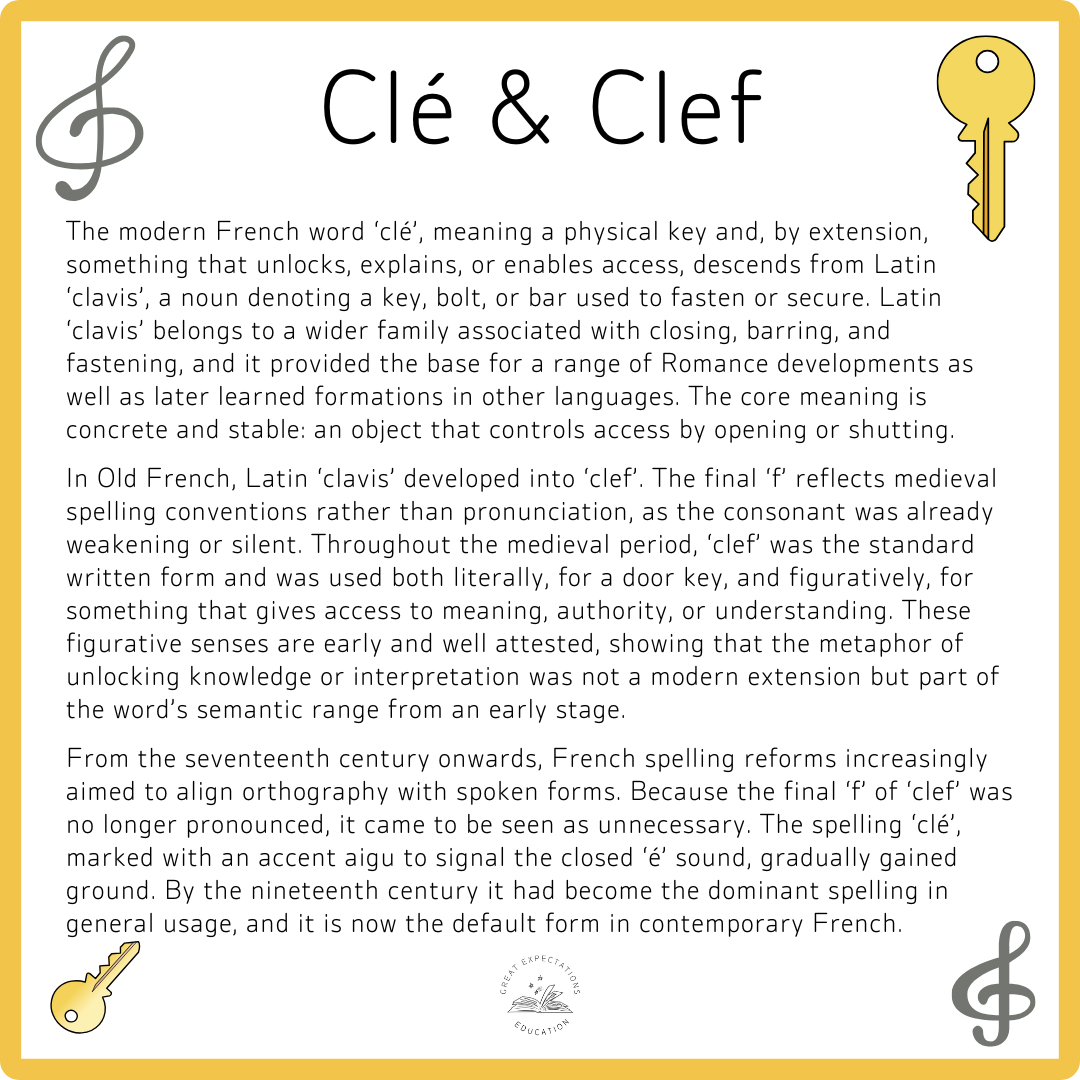
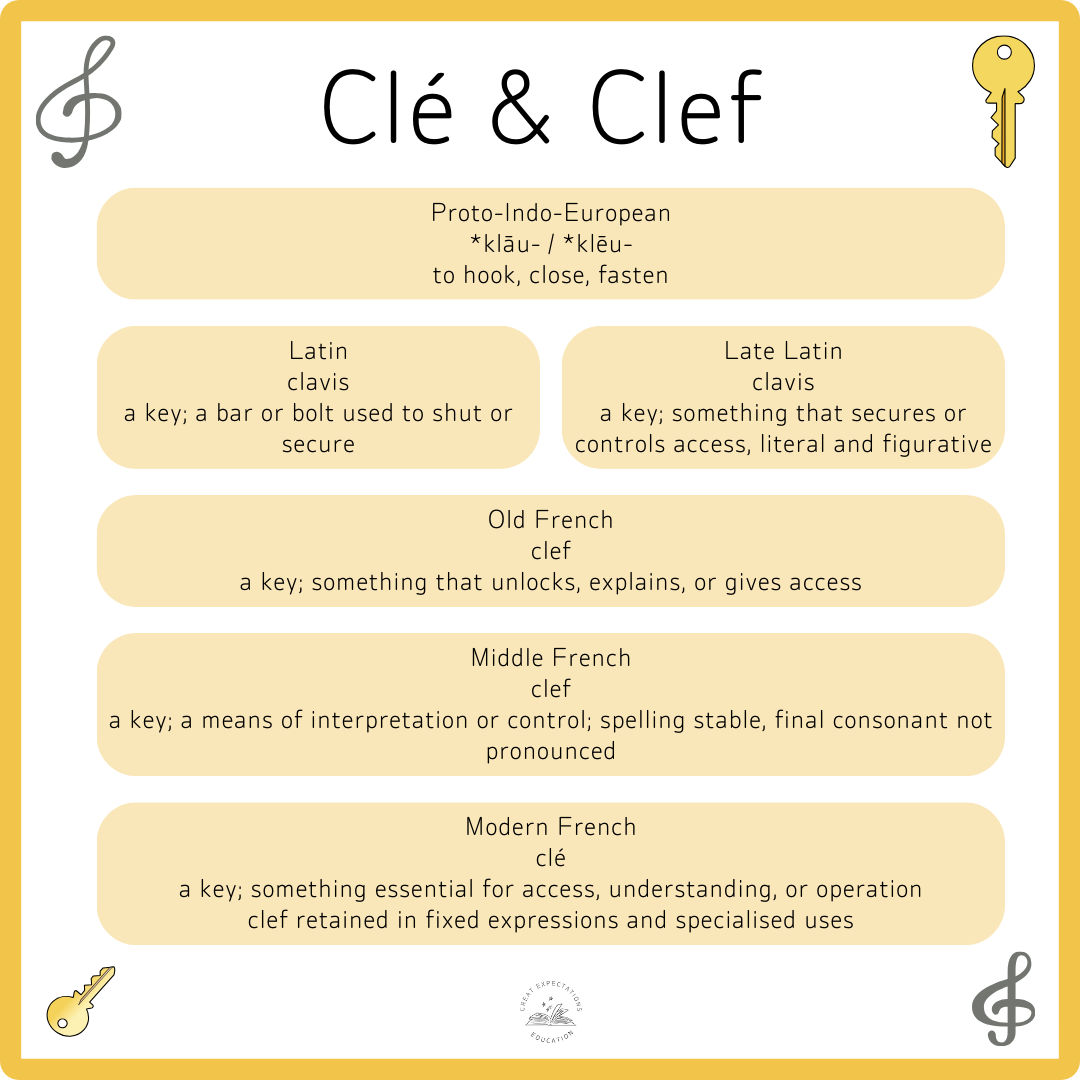
‘Clé’ comes from Latin ‘clavis’, meaning a key, bolt, or bar used to shut something securely. From the beginning, the word is anchored in control of access. Historically, a ‘clé’ is the object that decides whether something remains closed or can be opened. The meaning does not depend on shape, size, or material. It depends on function.
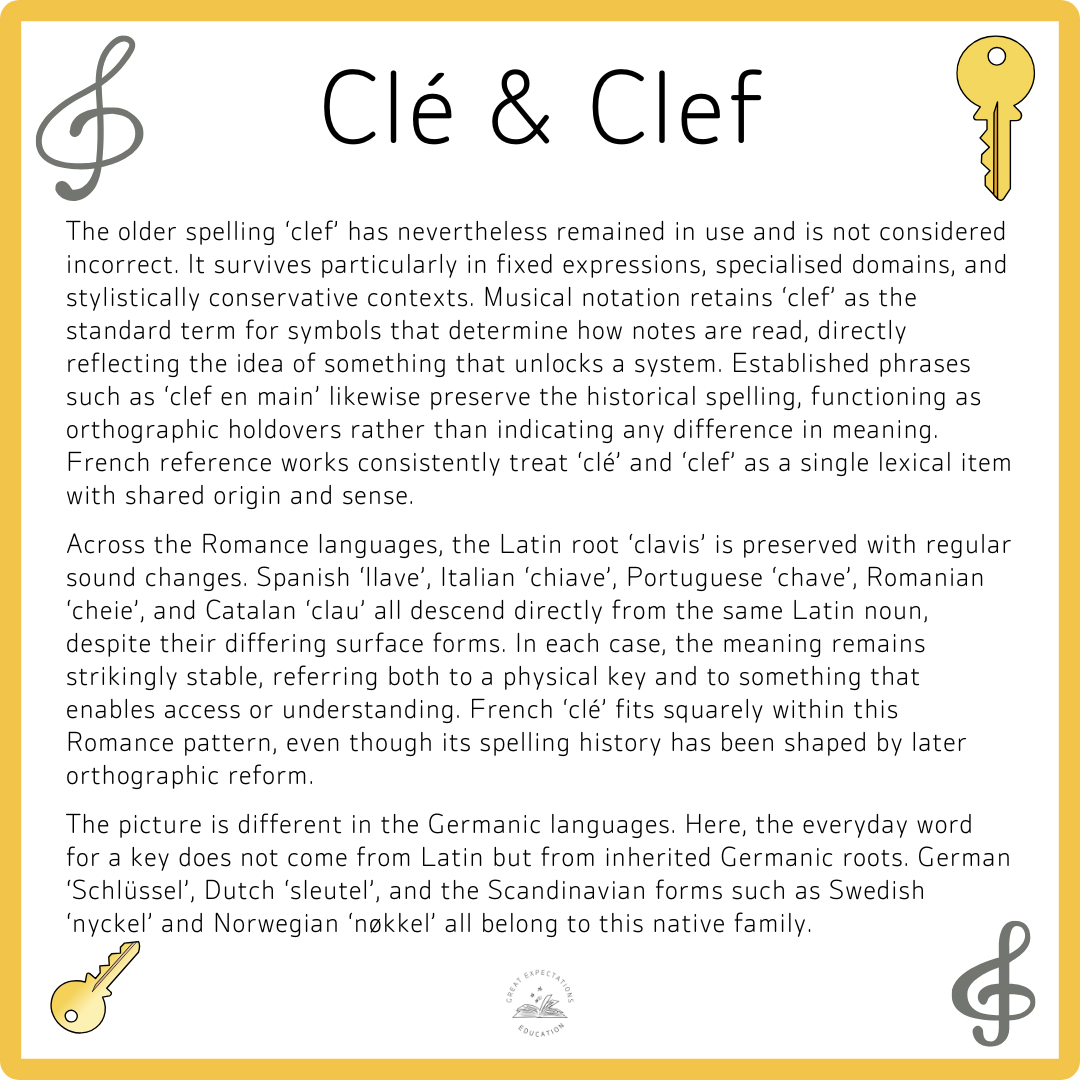
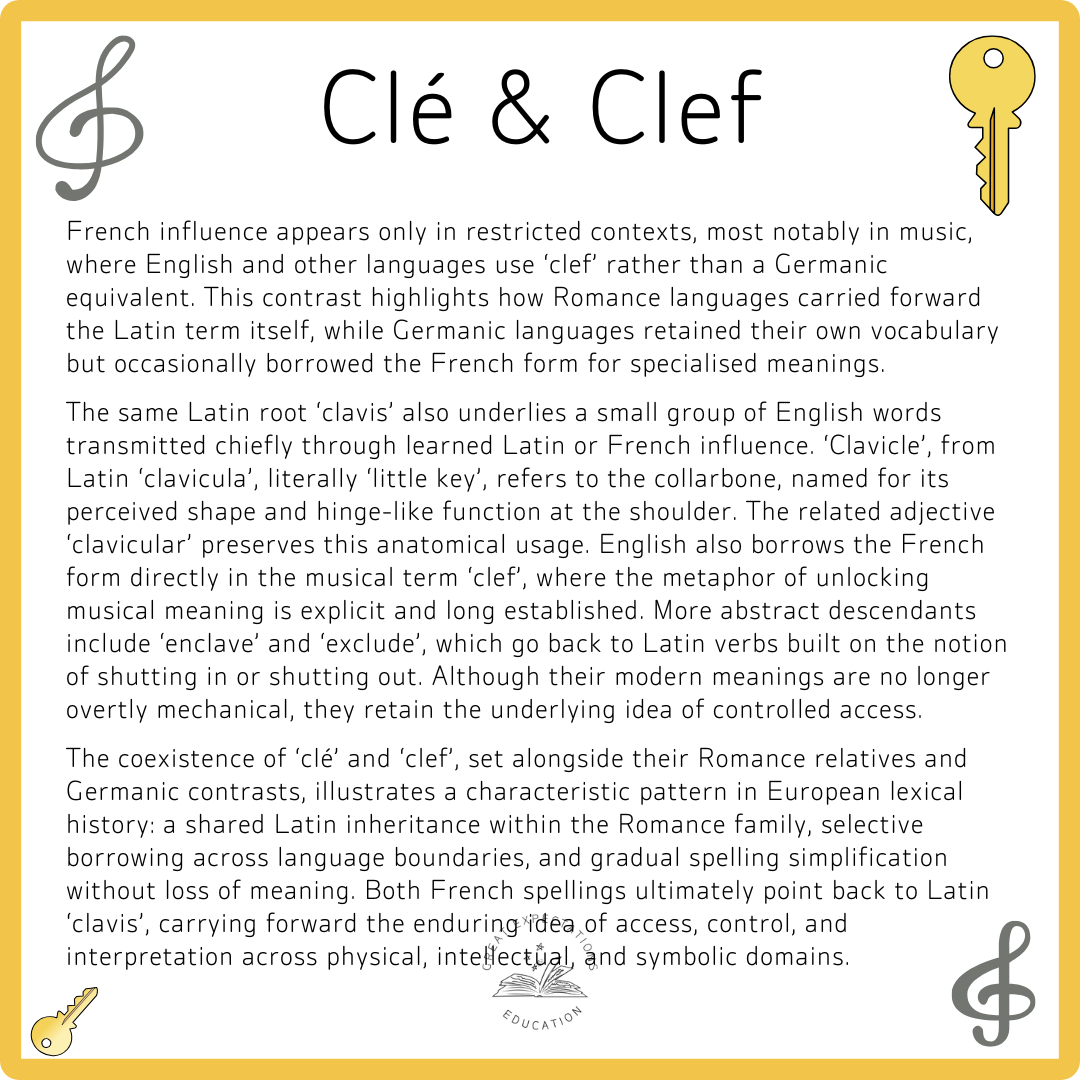
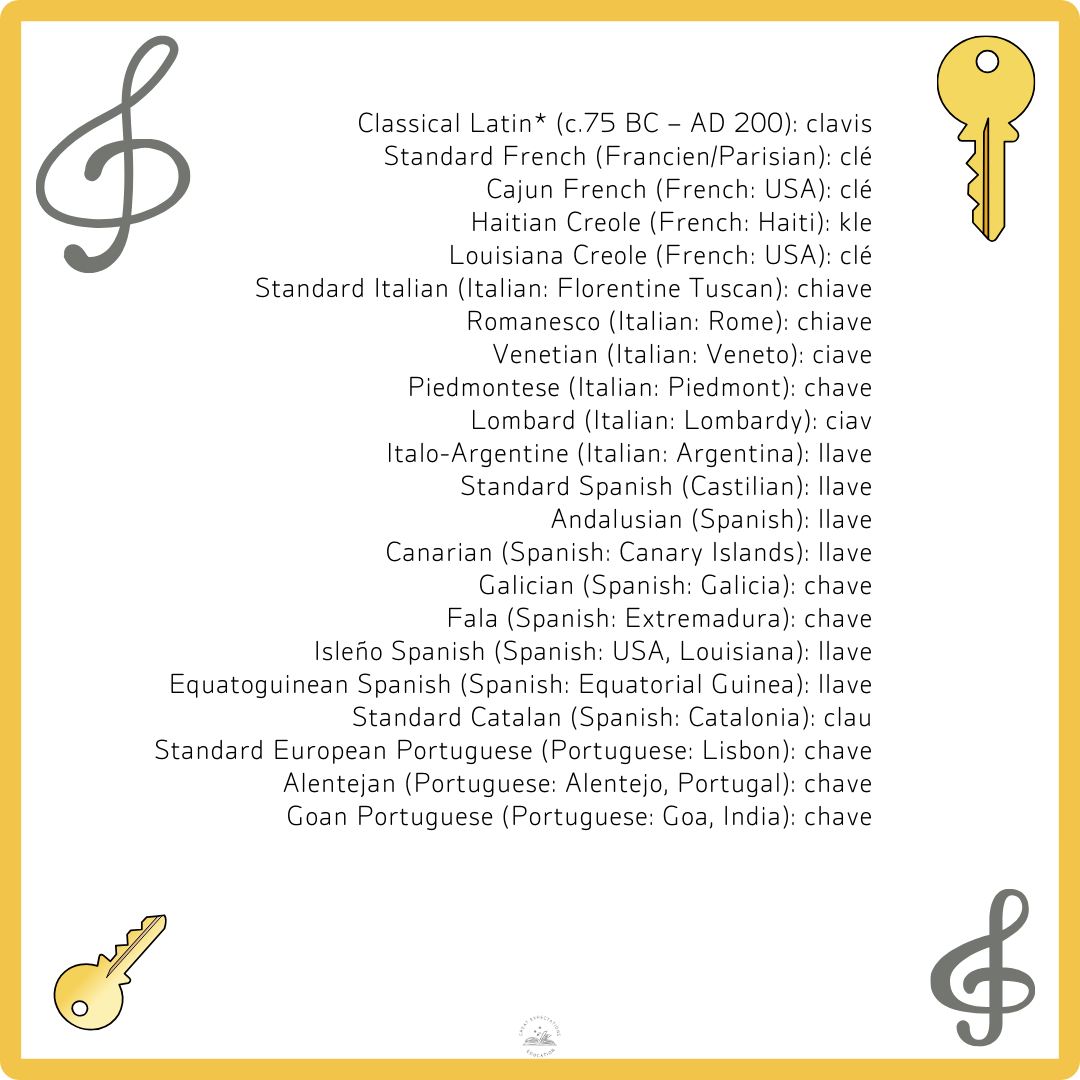
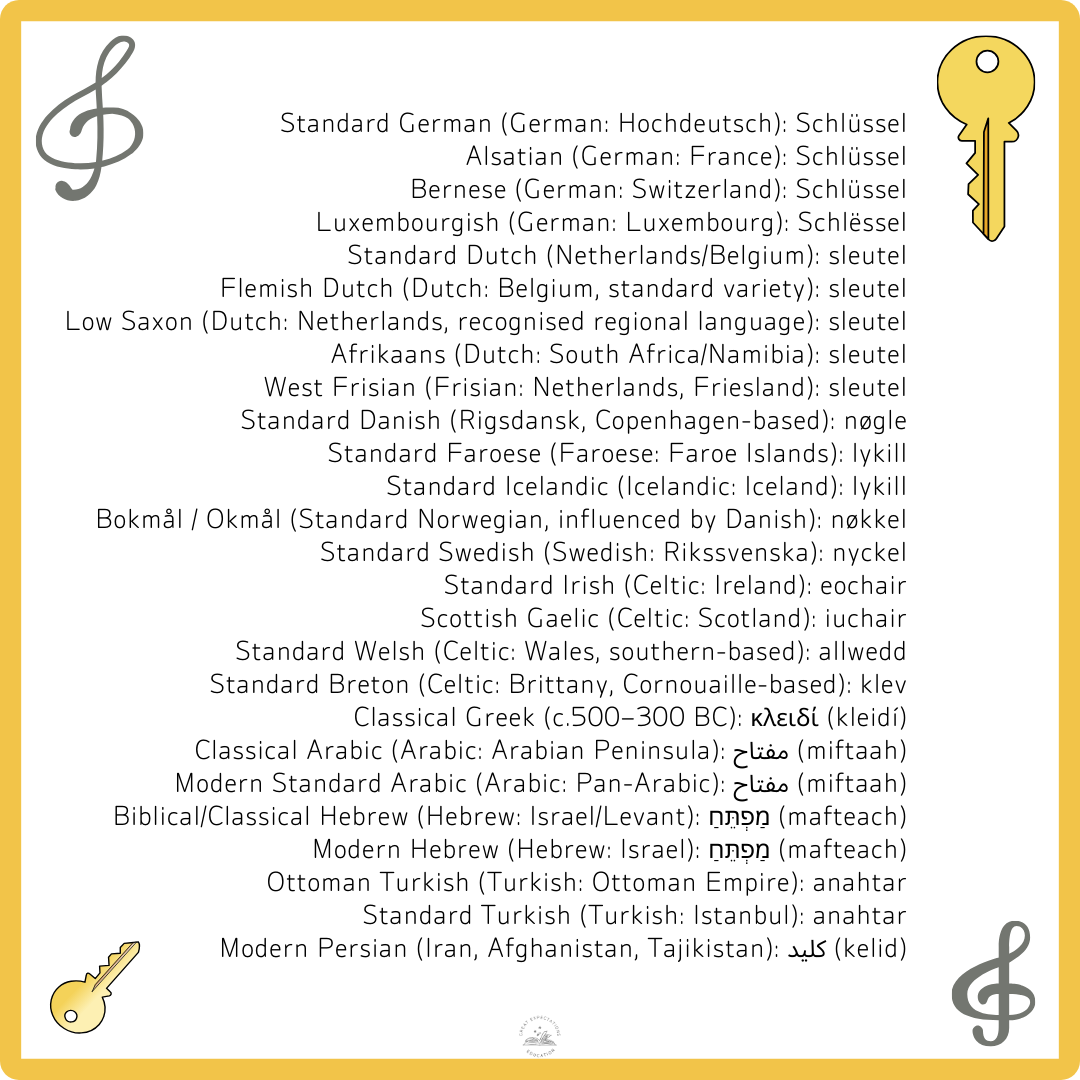
What makes ‘clé’ such a stable word is the way that function has carried across time and languages. Romance languages preserve the same idea in forms like Spanish ‘llave’, Italian ‘chiave’, and Portuguese ‘chave’. Even when French spelling shifted from ‘clef’ to ‘clé’, the meaning stayed fixed. Whether the word refers to a metal object, a musical sign, or the crucial element in an explanation, the underlying logic remains the same. Access comes first.