

The Wordhord
In Old English, a wordhord was a hoard of words — a store of language kept close, ready to be drawn on when it mattered most. To unlock the wordhord was to begin to speak with purpose and skill.
One of the earliest and most evocative uses comes from Beowulf, just as the hero prepares to speak for the first time:
Him se yldesta andswarode, The eldest of them answered,
werodes wīsa, wordhord onlēac: the leader of the warriors, unlocked his wordhoard:
“Wē synt gumcynnes Gēata lēode “We are men of the Geatish people,
and Hīgeles heoras; Beowulf is mīn nama…” Hygelac’s hearth-companions; my name is Beowulf…”
To open one’s wordhord is not simply to speak — it is to draw on knowledge, memory, and meaning, and shape them into something that can be shared.
This section gathers reflections on the structure, history, and meaning of English words. You’ll find etymology cards, seasonal explorations, and word-family notes that trace how language grows — not at random, but through stories, roots, and sound.
Each entry examines how a word was built, where it came from, and how its meaning has shifted through time, translation, and use. It’s a place for wordcraft grounded in history — practical, curious, and shaped by the belief that language is not just learnt, but forged.

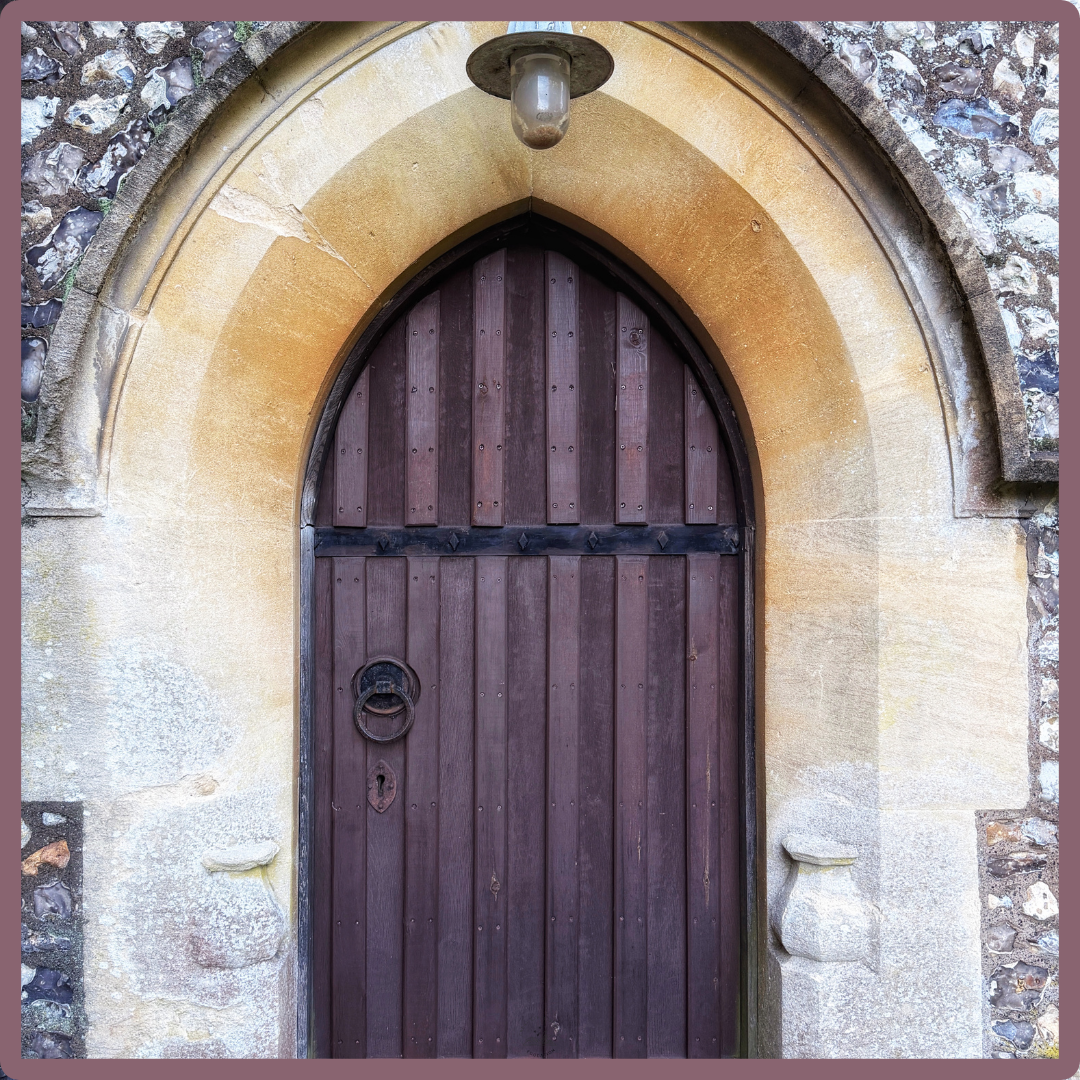
Clé and clef: opening doors and staves
The French word ‘clé’ names the object that opens and unlocks. It also names the element that makes a system readable or understandable. This word card traces ‘clé’ from Latin ‘clavis’, through its older spelling ‘clef’, and into its parallel lives in everyday French and musical notation, where a clef quite literally unlocks how sound is read.
Poignée: a handle and a handful
The French word ‘poignée’ names what the hand closes around. From a handful to a door handle, its meaning is shaped by grip and use rather than appearance. This post traces how the word stays anchored in the action of the hand across everyday objects and meanings.
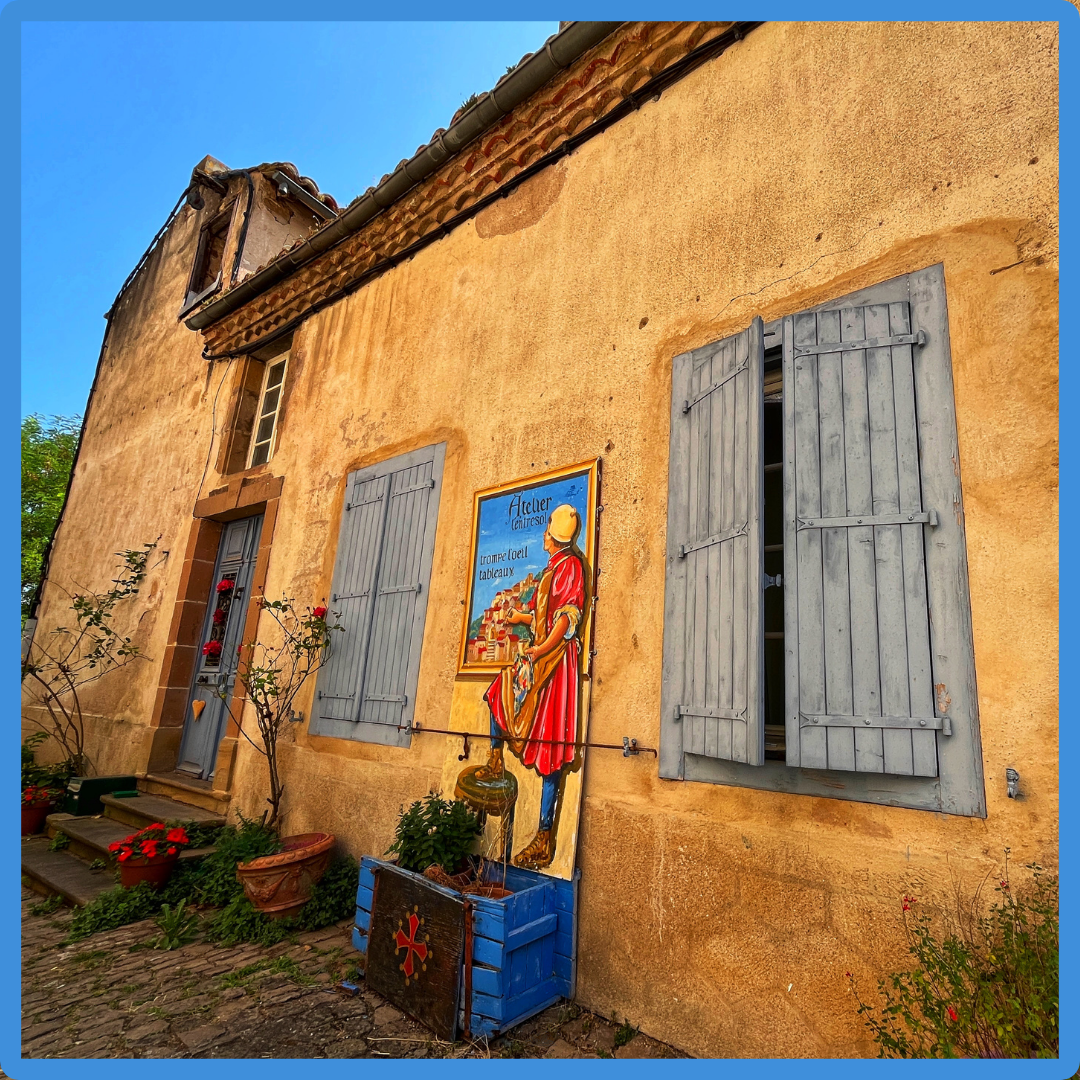
Volet: A shutter, not a surface
‘Volet’ is the French word for a window shutter. Derived from Latin ‘volare’, meaning ‘to fly’, it names a hinged panel defined by movement rather than appearance. The word reflects how buildings are used, not just how they look.
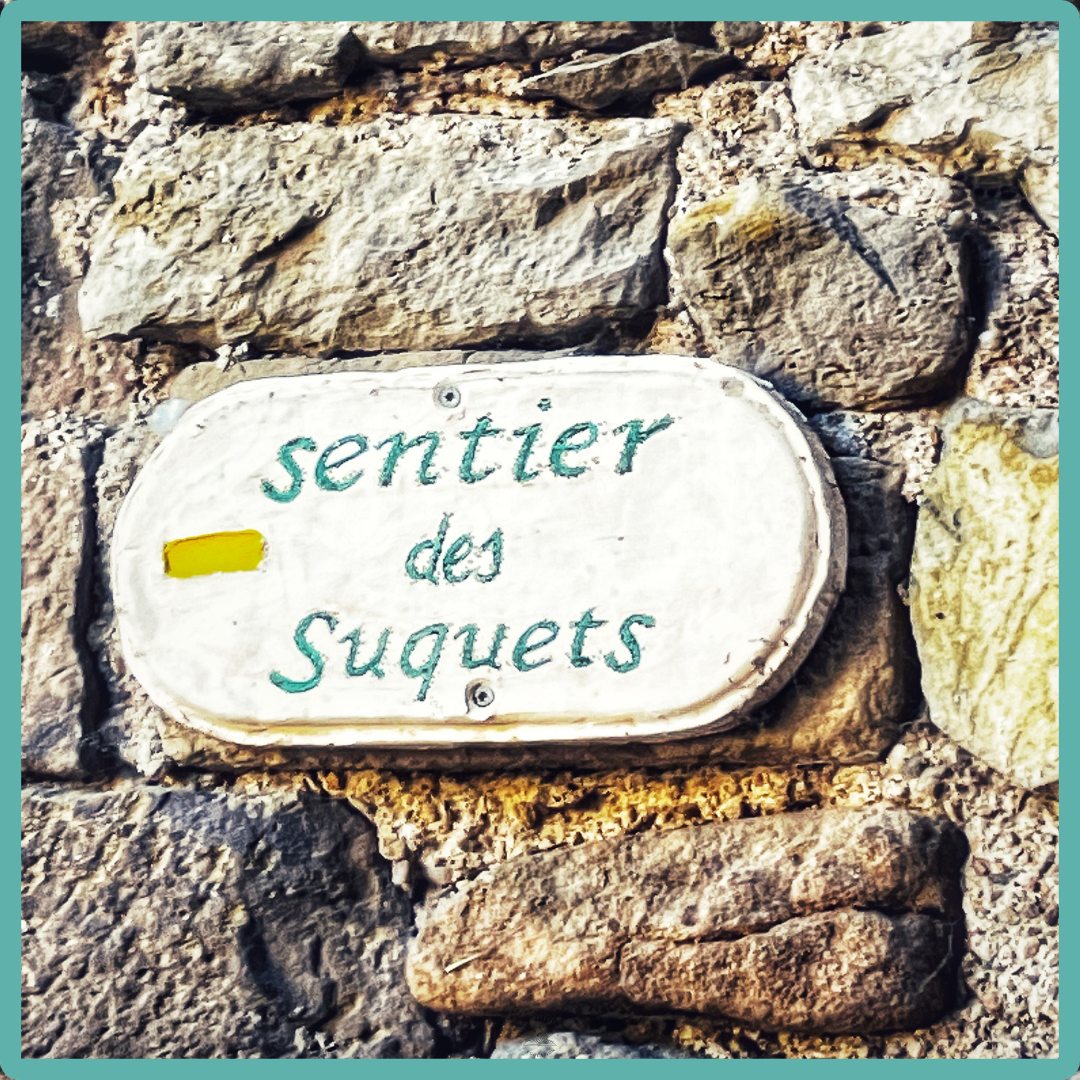
Sentier: a path made by going
The word ‘sentier’ names a narrow path made by walking rather than design. From Latin ‘semita’, it describes a route shaped by repeated passage and preserved in language.

‘Sage’: a healing word across languages and leaves
Where does the word ‘sage’ come from? From Latin ‘salvia’ meaning ‘healing plant’, the name travelled through French into English, and has since appeared across dozens of languages — each with its own take on this resilient herb.

Soup: From Bread-Soaked Broth to Global Staple
The word ‘soup’ traces its roots to Late Latin ‘suppa’ meaning ‘bread soaked in broth’, passing through Old French before entering English.

Pebble – A Small Word with a Weathered History
Where does the word pebble come from? This post digs into its uncertain origins and links it with galet, the French word for smooth stone — and a sweet treat in Brittany.

Rock and Rocher
Where do ‘rock’ and ‘rocher’ come from? This post unpacks the etymology of a word we treat as solid — but whose linguistic trail is full of twists. With images, word cards and modern links to French patisserie.

Torchette: A Breton Biscuit with a Twisted Past
Discover the history of the word ‘gâteau’, from medieval French ‘gastel’ — a high-quality bread — to the elaborate layered cake we know today. Explore its roots in Frankish and Latin, its links to Anglo-Norman ‘wastel’, and the shift from bread to dessert through changes in baking traditions and ingredients.

Gateau
Discover the history of the word ‘gâteau’, from medieval French ‘gastel’ — a high-quality bread — to the elaborate layered cake we know today. Explore its roots in Frankish and Latin, its links to Anglo-Norman ‘wastel’, and the shift from bread to dessert through changes in baking traditions and ingredients.

Biscuit
Explore the word ‘biscuit’: from Latin ‘bis’ (twice) and ‘coquere’ (to cook), through Old French and into modern English. A word that’s travelled through languages, continents and baking traditions — now unpacked in our latest word card set, including spelling tips, morphology, and European translations.

Boulangerie
A language dive into the roots of ‘boulangerie’ — with links to bread, bubbles, and French word endings.

épicerie fine
I’ve been looking into the roots of the French word épicerie, the name of many shops in French villages — and it turns out it started with spices.

Chouquette
When I checked the etymology of a little French bakery (tastes a bit like a profiterole without the chocolate or cream) item, I didn’t expect to find a link to cabbages!

Restorative Restaurants
‘Restaurant’ is such a ubiquitous word. Nearly every European language has a version that is similar in structure.
I took out my etymology dictionaries (my pile is growing: French, Swedish, German) to find its root …