

The Wordhord
In Old English, a wordhord was a hoard of words — a store of language kept close, ready to be drawn on when it mattered most. To unlock the wordhord was to begin to speak with purpose and skill.
One of the earliest and most evocative uses comes from Beowulf, just as the hero prepares to speak for the first time:
Him se yldesta andswarode, The eldest of them answered,
werodes wīsa, wordhord onlēac: the leader of the warriors, unlocked his wordhoard:
“Wē synt gumcynnes Gēata lēode “We are men of the Geatish people,
and Hīgeles heoras; Beowulf is mīn nama…” Hygelac’s hearth-companions; my name is Beowulf…”
To open one’s wordhord is not simply to speak — it is to draw on knowledge, memory, and meaning, and shape them into something that can be shared.
This section gathers reflections on the structure, history, and meaning of English words. You’ll find etymology cards, seasonal explorations, and word-family notes that trace how language grows — not at random, but through stories, roots, and sound.
Each entry examines how a word was built, where it came from, and how its meaning has shifted through time, translation, and use. It’s a place for wordcraft grounded in history — practical, curious, and shaped by the belief that language is not just learnt, but forged.

Birth: the story of bearing and becoming
A clear exploration of the word ‘birth’, tracing its history from Old Norse and Proto-Germanic roots to Greek tiktō in Luke 1.31.
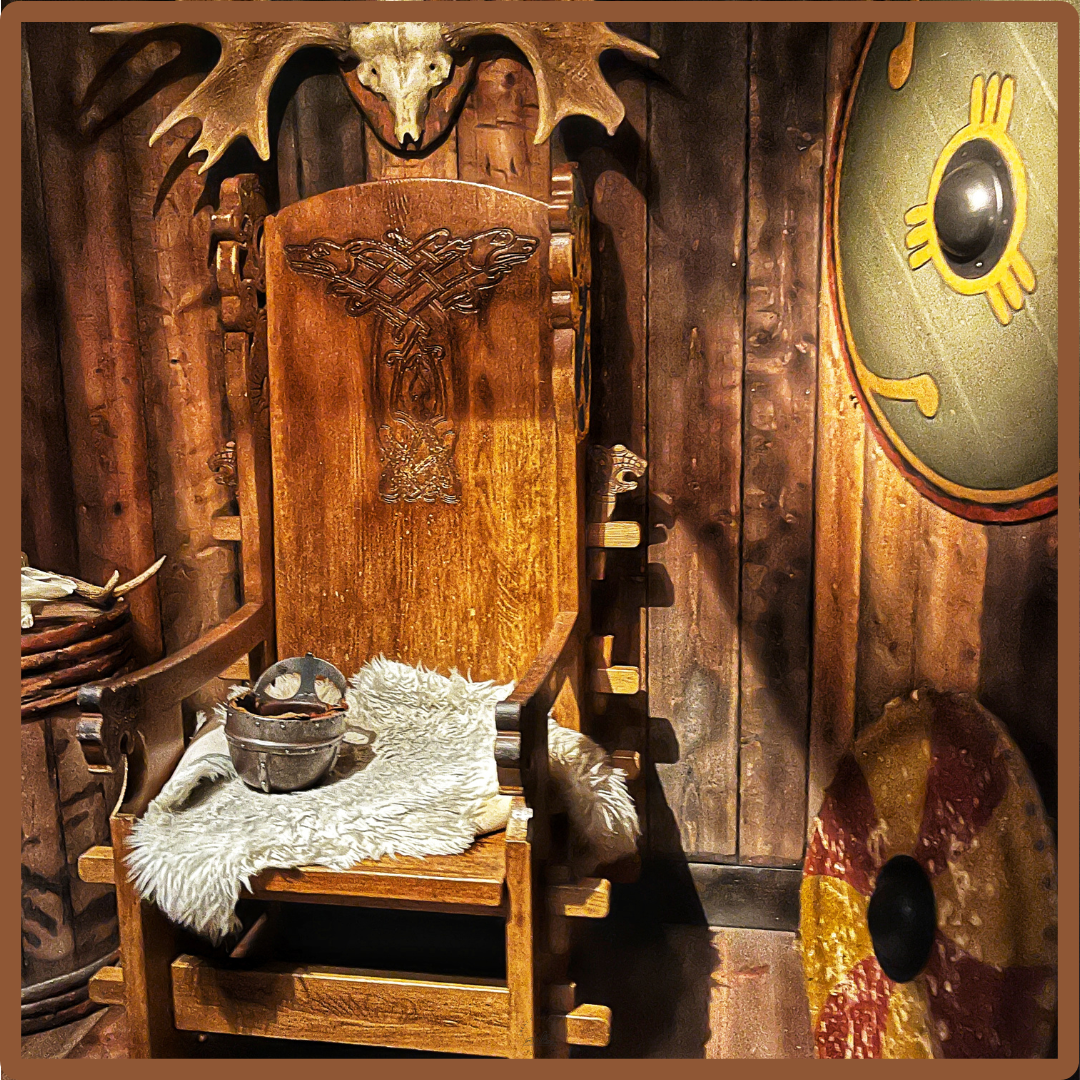
Throne: a seat that carries its own story
A look at the long journey of ‘throne’, from Greek ‘θρόνος’ to modern English, with a Viking high seat from Stockholm as the accompanying image.

Sin: a word that never aimed at archery
A short exploration of the English word ‘sin’, its Germanic roots, and how it came to be used in Bible translation. This Word Card also untangles the popular archery misconception and shows how the Greek terms actually work.

Pledge: a word bound by promise
The story behind ‘pledge’, from Germanic guardianship to the Greek and Latin language of binding promise in Matthew 1.18.
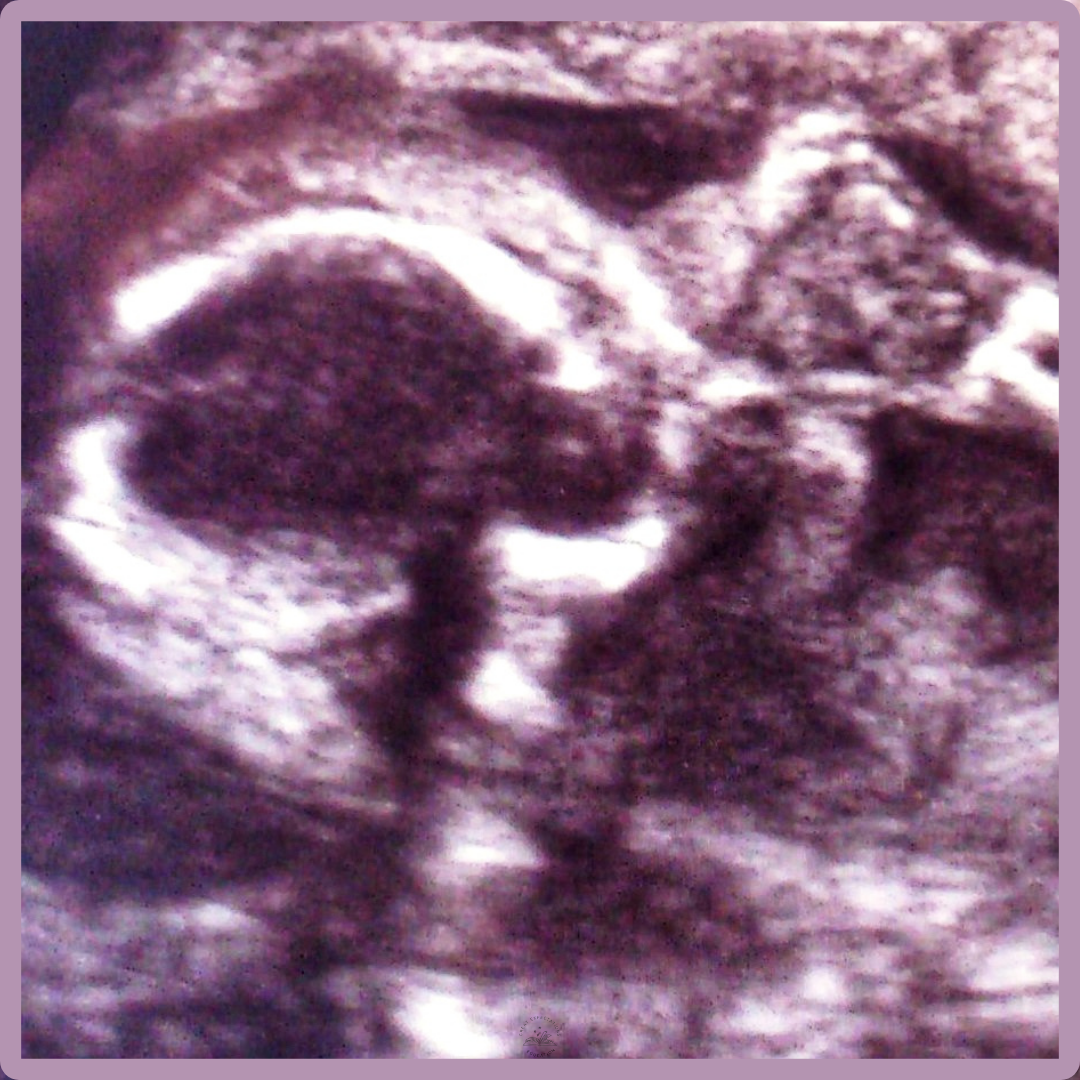
Pregnancy: carried before birth
Pregnancy traces back to Latin ‘praegnantia’, meaning ‘carrying before birth’. Other European languages picture the idea through weight, enclosure, and taking together. Greek adds its own structure with ‘syllambanō’.

Perseverance — The Long Race of Hebrews 12
Hebrews 12 describes faith as a long race. This word card explores the history of ‘perseverance’ alongside the Greek term in the passage, paired with an image from Nant Ffrancon Pass that echoes the steady climb of the text.

Righteousness that Stands Straight
A short look at the word ‘righteous’, its Old English and Hebrew roots, and how Scripture uses the idea of the straight and upright way. Written with an orthodox evangelical understanding of God’s justice and Christ’s fulfilment.