

The Wordhord
In Old English, a wordhord was a hoard of words — a store of language kept close, ready to be drawn on when it mattered most. To unlock the wordhord was to begin to speak with purpose and skill.
One of the earliest and most evocative uses comes from Beowulf, just as the hero prepares to speak for the first time:
Him se yldesta andswarode, The eldest of them answered,
werodes wīsa, wordhord onlēac: the leader of the warriors, unlocked his wordhoard:
“Wē synt gumcynnes Gēata lēode “We are men of the Geatish people,
and Hīgeles heoras; Beowulf is mīn nama…” Hygelac’s hearth-companions; my name is Beowulf…”
To open one’s wordhord is not simply to speak — it is to draw on knowledge, memory, and meaning, and shape them into something that can be shared.
This section gathers reflections on the structure, history, and meaning of English words. You’ll find etymology cards, seasonal explorations, and word-family notes that trace how language grows — not at random, but through stories, roots, and sound.
Each entry examines how a word was built, where it came from, and how its meaning has shifted through time, translation, and use. It’s a place for wordcraft grounded in history — practical, curious, and shaped by the belief that language is not just learnt, but forged.

Mozzarella – a cheese with its name pinched off
The Italian word ‘mozzarella’ means ‘a little cut piece’, from ‘mozzare’, ‘to cut off’. Its root goes back to Latin ‘mutilus’, shared with English ‘mutilate’. From papal kitchens to modern pizza, the name still recalls the motion of a cheesemaker’s hand shaping fresh curd.
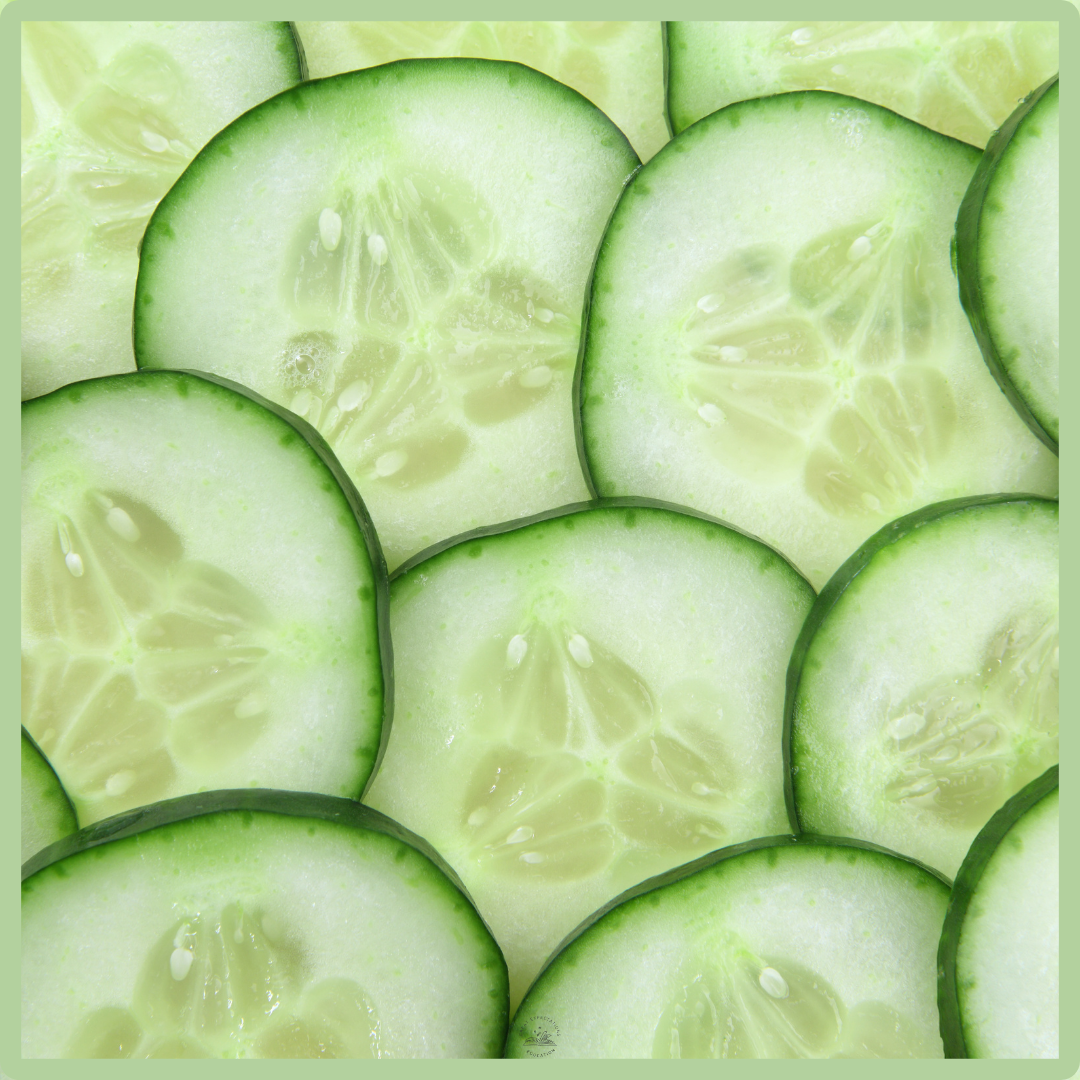
Cucumber – a traveller from Sanskrit gardens to English tables
The cucumber’s name grew from Sanskrit and Latin roots, spreading through French and Greek into Europe’s many languages.
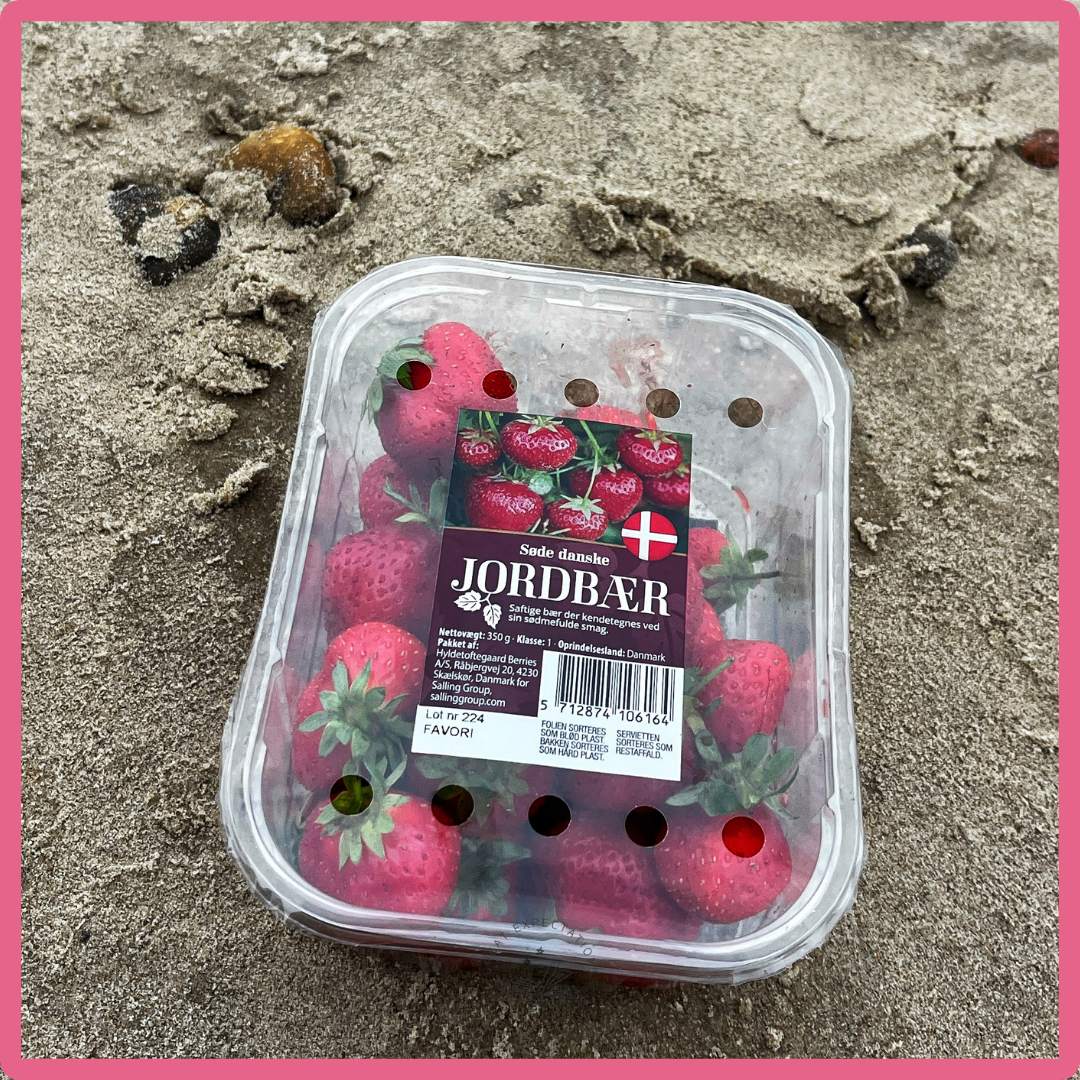
Strawberry – a berry with no straw in it
English alone calls it the ‘strawberry’. Others call it the ‘earth berry’ or the ‘fragrant fruit’. New research traces our word not to straw mulch but to an old European habit: threading wild berries onto a straw of grass.

Green and Groenten: From Growth to Vegetables
In a Flemish supermarket, the word groenten caught my eye. It means ‘vegetables’, but it shares its history with English green.

From ‘deor’ to ‘dieren’: how English ‘deer’ and Dutch ‘huisdieren’ share a root
In Belgium, a supermarket sign reads ‘Huisdieren’ (‘house animals’). Dutch ‘dieren’ shares its root with English ‘deer’ and German ‘Tier’. Once the same word, their meanings diverged over time.

Butcher – from Flemish bone-hackers to English goat-slayers
Discover the etymology of ‘butcher’: Flemish ‘beenhouwerij’ means ‘bone-hacker’s shop’, Danish ‘slagter’ comes from ‘to slaughter’, and English ‘butcher’ from French ‘goat-slayer’. Explore how German, Italian, Portuguese, Celtic, and Basque languages name this everyday trade.

Tracing the Crane’s Berry
From cranes to bogs, the name ‘cranberry’ traces a northern path through Low German Kraanbere and Dutch Kraanbes, linking birds, berries, and marshland speech.

From ‘Pepon’ to Pumpkin: A Sun-Cooked Word’s Journey
From Greek ‘pepon’ meaning ‘cooked by the sun’, ‘pumpkin’ travelled through Latin and French before taking root in English. Its story links ancient languages with New World harvests.

The Boiling Origins of Broth
Broth is one of the oldest English cooking words, rooted in a Proto-Germanic word for boiling liquid. From medieval hearths to modern bouillon cubes, its story spans kitchens, languages, and centuries

Potato – the comfort of cold weather
By November the weather turns and jacket potatoes make sense again — simple, filling, and familiar. The word ‘potato’ has travelled as far as the crop itself, from Taíno ‘batata’ and Quechua ‘papa’ to Spanish ‘patata’ and English. Across Europe, languages called it an ‘earth apple’ or linked it to a truffle.

Parsnip: The Root of a Fork
The English ‘parsnip’ comes from Latin ‘pastinaca’, a word for both parsnip and carrot, and for the fork used to dig them up. Most European languages kept this Latin root, though Spanish ‘chirivía’ took a different path through Arabic. A vegetable named for the tool that unearthed it.

Poppy: from sleep to remembrance
The word ‘poppy’ traces back to Latin ‘papaver’, borrowed into Old English as ‘popiġ’. Across Europe it left a trail of relatives—French ‘pavot’, Italian ‘papavero’, Welsh ‘pabi’, German ‘Mohn’. Once a symbol of sleep and death, it later became a flower of remembrance.

Pear – a fruit that bruises easily
A word as soft as the fruit it names. Pear came into English through Old English pere and Latin pirum, a name that may go back to an ancient root meaning ‘to crush’. The same story ripened across Europe in poire, pera, and Birne.

November: From ‘Ninth Month’ to Winter’s Threshold
The word ‘November’ comes from Latin ‘novem’, meaning ‘nine’. Once the ninth month of the Roman year, it later shifted to eleventh place. Older names such as Old English ‘Blōtmōnaþ’ and Irish ‘Samhain’ reveal how northern Europe marked the season through ritual, sacrifice, and the fading of light. The photo shows a chilly November day in Southsea.

Halloween: the eve of all hallows
Halloween’ began as ‘All Hallows’ Even’, the night before All Saints’ Day. Its roots lie in Old English ‘hālig’ meaning holy, and in the wider Hallowtide of saints and souls. Across Europe, related words tell the same story — ‘Toussaint’, ‘Allerheiligen’, ‘Oíche Shamhna’ — each marking the eve that once joined harvest, remembrance, and holiness.

Sloe: a fruit that outlasts the frost
A spiny hedge, a bitter fruit, and a name that’s older than plum, pear, or cherry. This word card explores the etymology and history of sloe — from PIE roots and Germanic cousins to Neolithic dye pots and 19th-century gin bottles.

Rose hip – a fruit with two roots
Explore the etymology of rose hip: ‘rose’ from Latin via Greek and Persian, ‘hip’ from Old English hēope. A compound of borrowed bloom and native fruit, shaped by hedgerow lore, wartime syrup, and European cousins.

October: from ‘Winterfylleth’ to ‘octo’
October still remembers being the eighth month. From Latin ‘octo’, Old English ‘Winterfylleth’, and Norse ‘Gormánuðr’, the name carries echoes of numbers, moons, and slaughter.

Crab Apple: Word Roots and Hedgerow Rituals
Crab apples grow at the edges of things. This post traces the word’s tangled roots — from Old English and Norse to hedgerow jelly, wassailing, and 30+ languages that name this small, sour fruit.

Hawthorn: a thorn for the hedge, a berry for the branch
The word ‘hawthorn’ began as a hedge-thorn in Old English, but came to mean both a thorny tree and the berry it bears. Across Europe, the name reflects thorns, blossom, and hedgerows.