

The Wordhord
In Old English, a wordhord was a hoard of words — a store of language kept close, ready to be drawn on when it mattered most. To unlock the wordhord was to begin to speak with purpose and skill.
One of the earliest and most evocative uses comes from Beowulf, just as the hero prepares to speak for the first time:
Him se yldesta andswarode, The eldest of them answered,
werodes wīsa, wordhord onlēac: the leader of the warriors, unlocked his wordhoard:
“Wē synt gumcynnes Gēata lēode “We are men of the Geatish people,
and Hīgeles heoras; Beowulf is mīn nama…” Hygelac’s hearth-companions; my name is Beowulf…”
To open one’s wordhord is not simply to speak — it is to draw on knowledge, memory, and meaning, and shape them into something that can be shared.
This section gathers reflections on the structure, history, and meaning of English words. You’ll find etymology cards, seasonal explorations, and word-family notes that trace how language grows — not at random, but through stories, roots, and sound.
Each entry examines how a word was built, where it came from, and how its meaning has shifted through time, translation, and use. It’s a place for wordcraft grounded in history — practical, curious, and shaped by the belief that language is not just learnt, but forged.
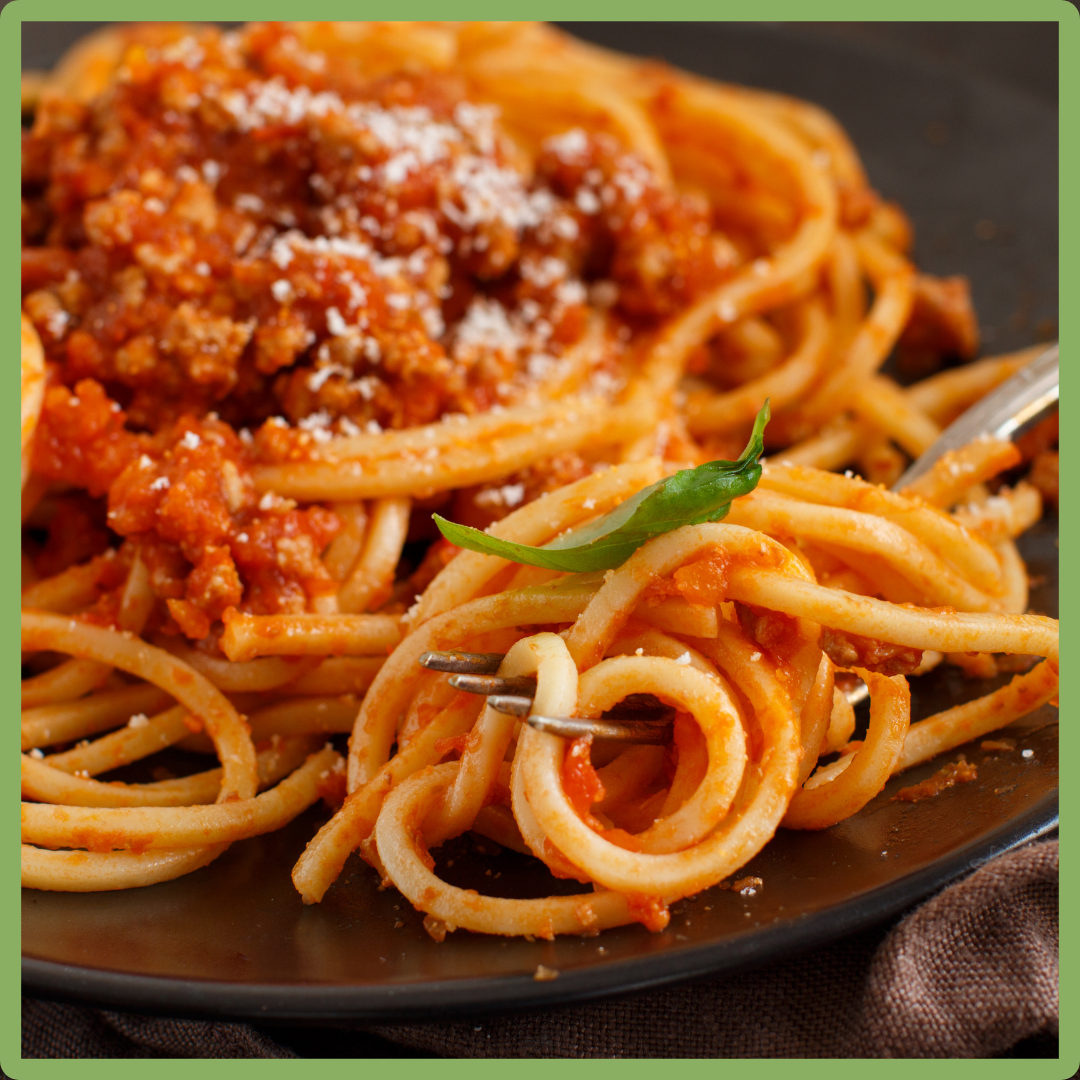
Spaghetti: A Story in Strands
The word ‘spaghetti’ comes from Italian ‘spaghetto’, meaning ‘little cord’. Its ancestor, Late Latin ‘spacus’, referred to a thread or strip. Arab influence in medieval Sicily shaped the early pasta strands called ‘itriyah’, which evolved into the spaghetti we know today.
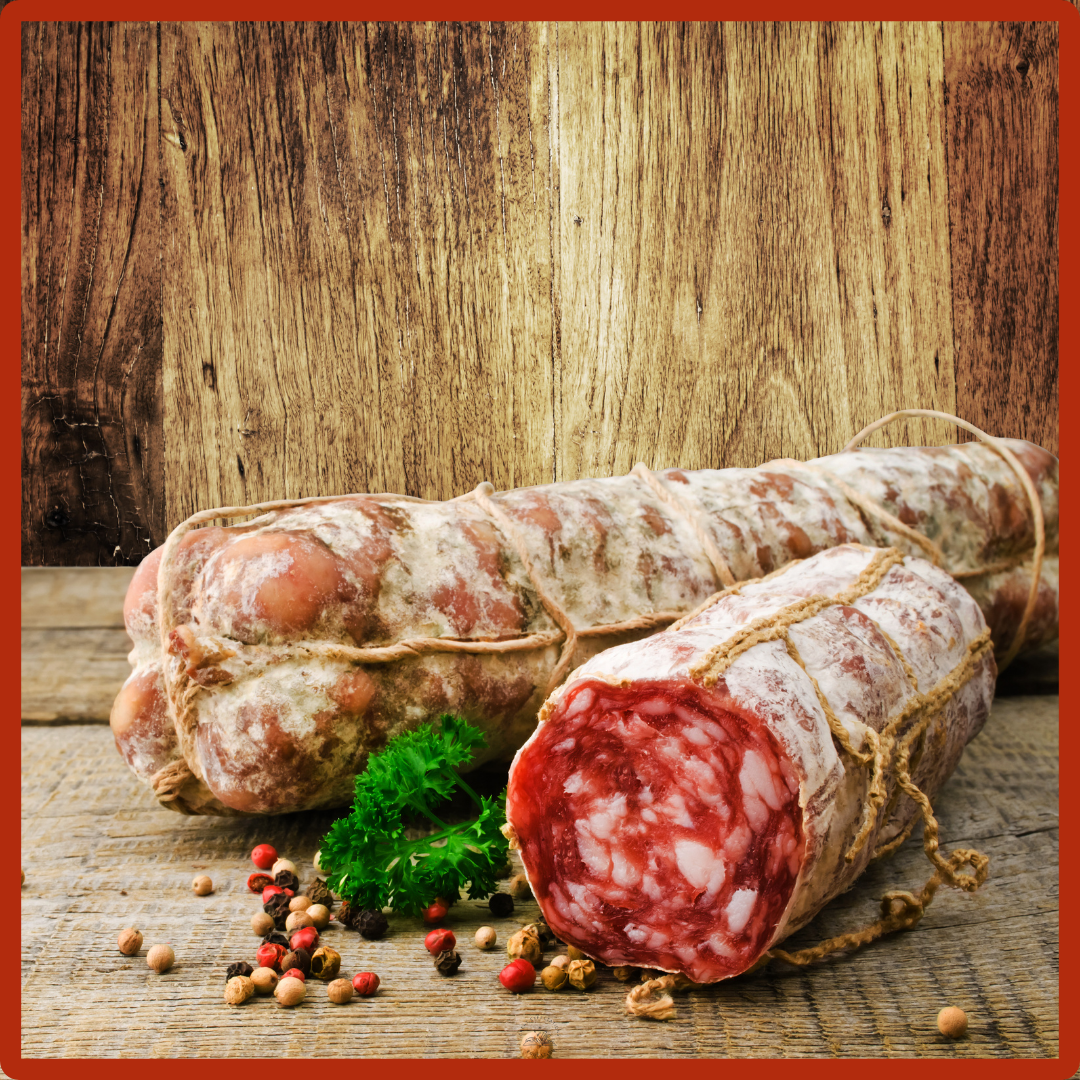
A Salted Thing
From Roman salt cellars to Italian delicatessens, the word salami has always meant ‘a salted thing’.
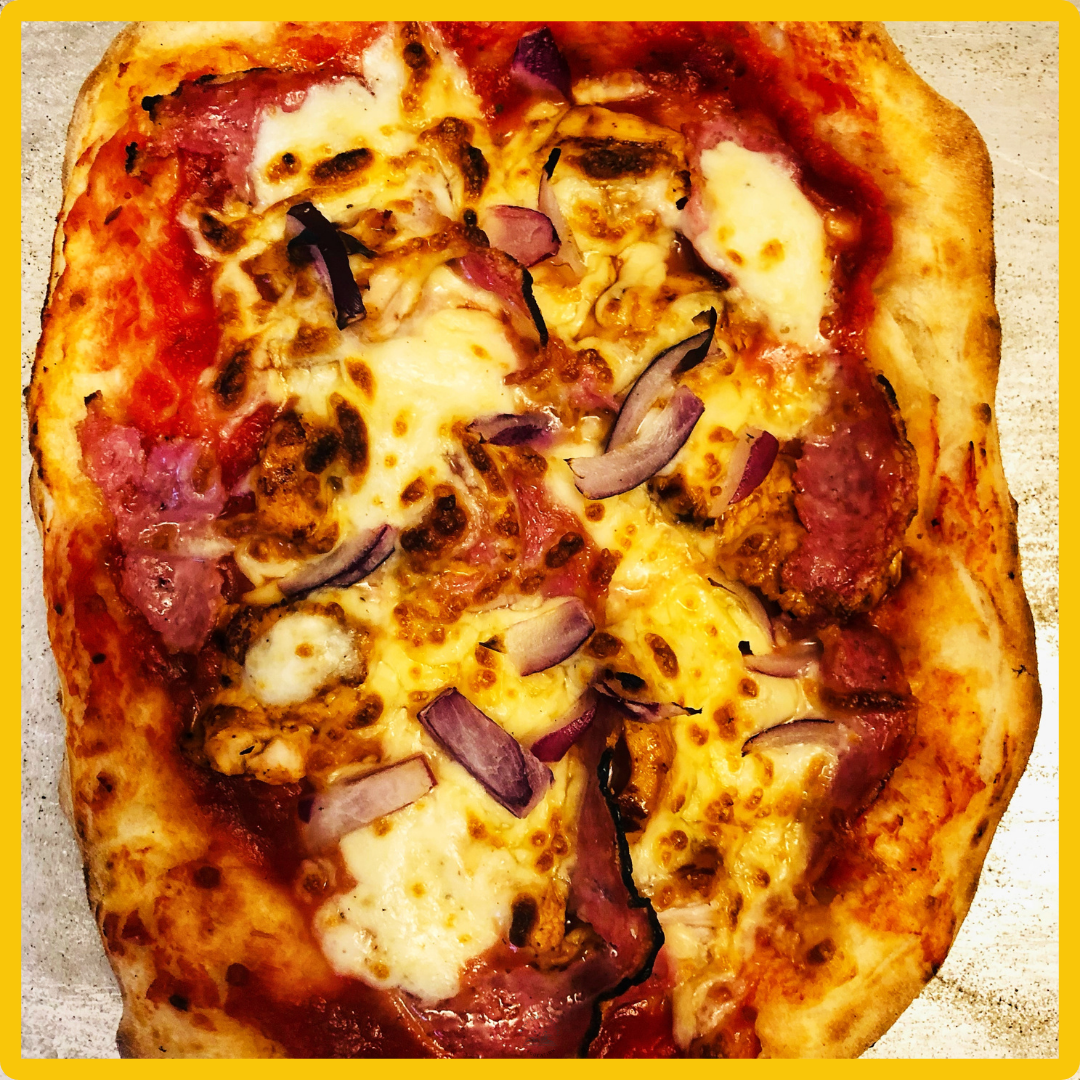
Pizza: from Greek ‘pitta’ to global flatbread
‘Pizza’ first appears in a 997 AD Latin charter from Gaeta. Its name may come from Greek ‘pitta’ meaning ‘cake’ or from the Lombardic ‘pizzo’ meaning ‘bite’. In Italian, it once meant any tart or flatbread. The Neapolitan dish of the eighteenth century turned it into the food we recognise today.
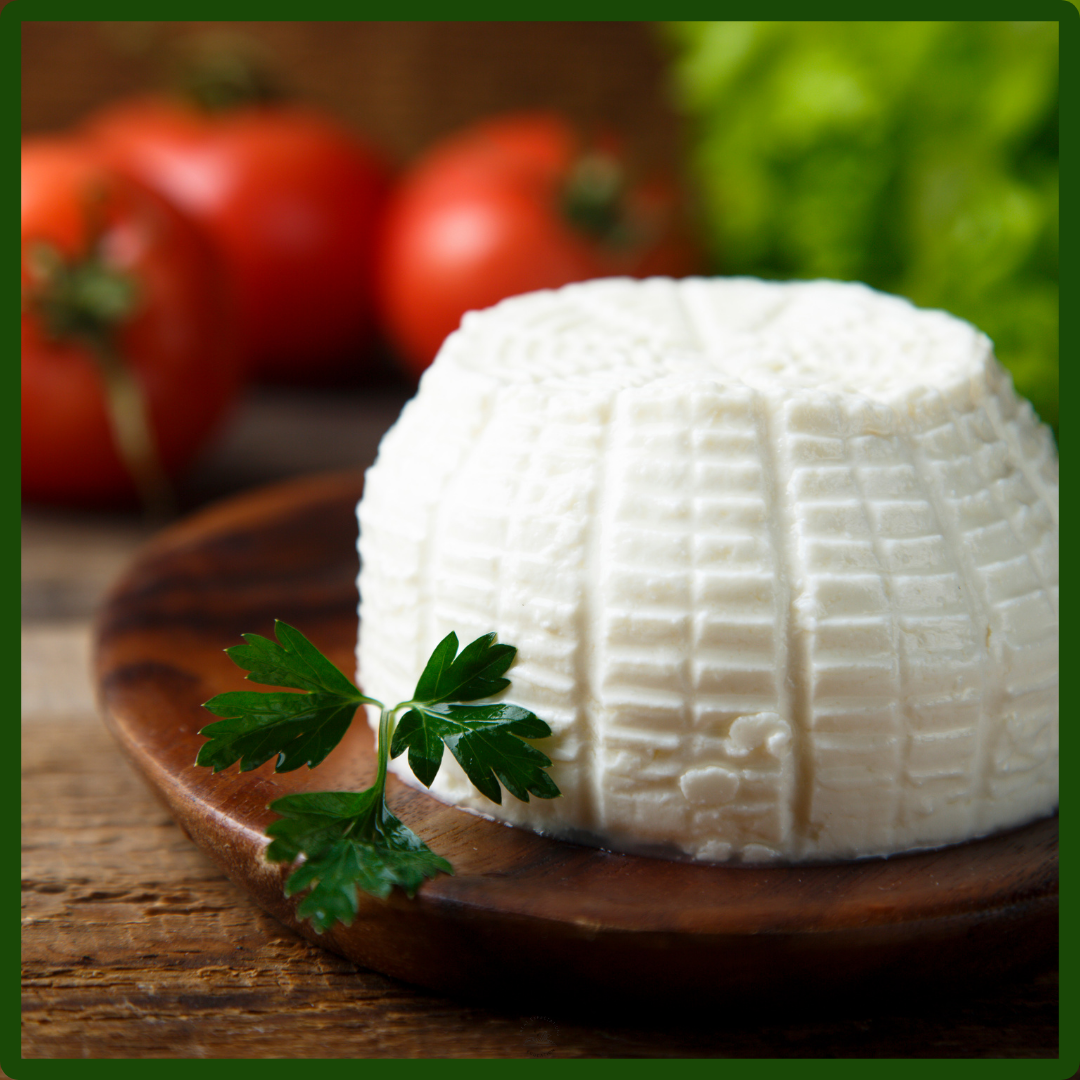
Ricotta: from Latin heat to Italian whey
Ricotta comes from Latin recōcta ‘recooked’, describing whey heated a second time to form a fresh curd. This word card traces its path from Roman dairies to modern English.
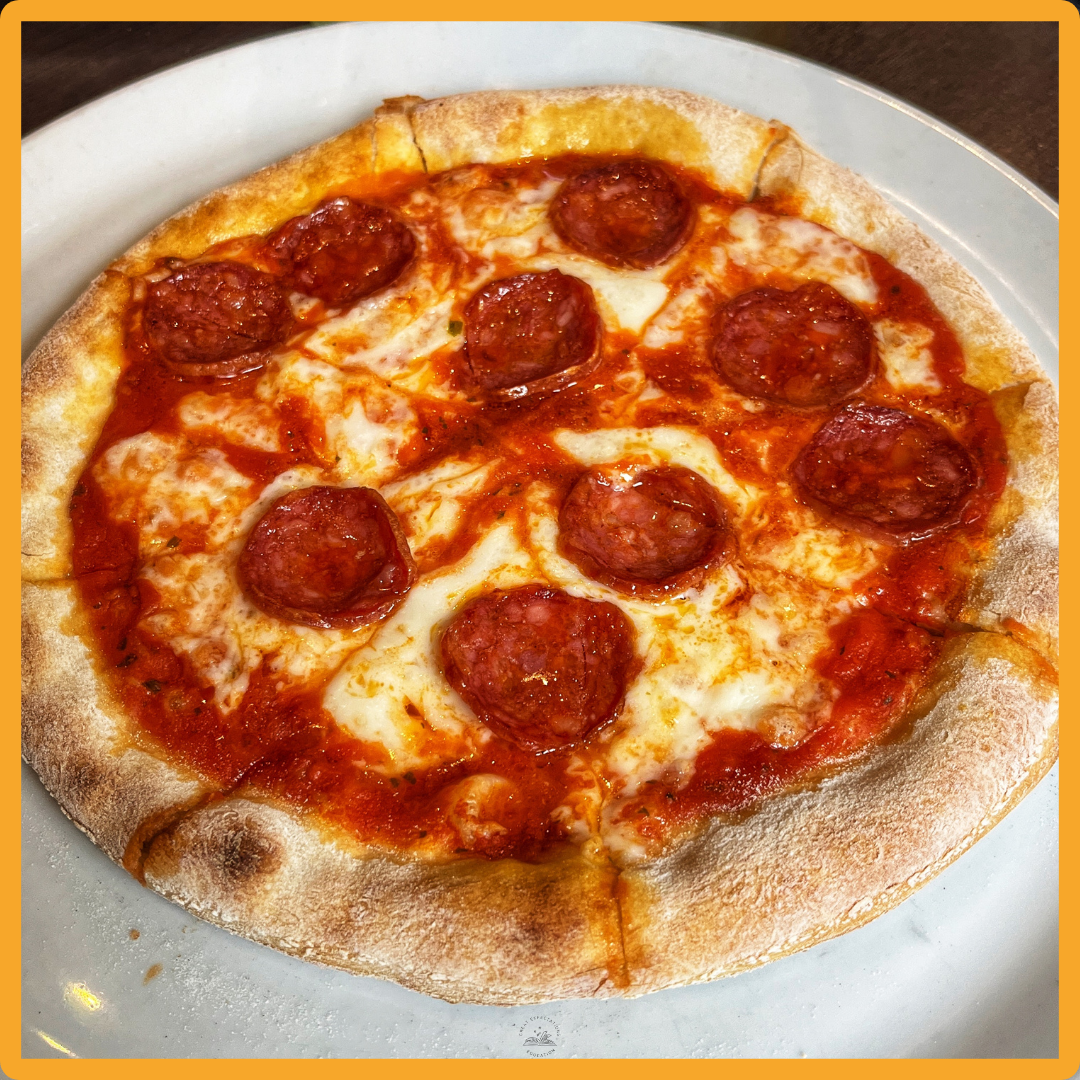
Mozzarella – a cheese with its name pinched off
The Italian word ‘mozzarella’ means ‘a little cut piece’, from ‘mozzare’, ‘to cut off’. Its root goes back to Latin ‘mutilus’, shared with English ‘mutilate’. From papal kitchens to modern pizza, the name still recalls the motion of a cheesemaker’s hand shaping fresh curd.

From ‘Pepon’ to Pumpkin: A Sun-Cooked Word’s Journey
From Greek ‘pepon’ meaning ‘cooked by the sun’, ‘pumpkin’ travelled through Latin and French before taking root in English. Its story links ancient languages with New World harvests.

Potato – the comfort of cold weather
By November the weather turns and jacket potatoes make sense again — simple, filling, and familiar. The word ‘potato’ has travelled as far as the crop itself, from Taíno ‘batata’ and Quechua ‘papa’ to Spanish ‘patata’ and English. Across Europe, languages called it an ‘earth apple’ or linked it to a truffle.

Parsnip: The Root of a Fork
The English ‘parsnip’ comes from Latin ‘pastinaca’, a word for both parsnip and carrot, and for the fork used to dig them up. Most European languages kept this Latin root, though Spanish ‘chirivía’ took a different path through Arabic. A vegetable named for the tool that unearthed it.

Bramble: thorns and berries across Europe
The word ‘bramble’ comes from Old English ‘bremel’, meaning thornbush. Discover its Germanic roots in Dutch ‘braam’ and German ‘Brombeere’, with parallels in French ‘ronce’, Italian ‘rovo’, Spanish ‘zarza’, Celtic ‘sméar’, and Greek ‘βάτος’.

Blackberry: a fruit with four naming traditions
Freshly picked blackberries in early August tell a simple story in English — a black berry — but the word’s roots run deep. Across Europe, languages link the fruit to brambles, bears, or mulberries. Discover the etymology of ‘blackberry’ from Old English blæcberie to Latin morum and beyond.