THE HEARTH - May 2026

Cash-boxes, keys, padlocks, ledgers, deeds
'It was long, and wound about him like a tail; and it was made (for Scrooge observed it closely) of cash-boxes, keys, padlocks, ledgers, deeds, and heavy purses wrought in steel.'
— Charles Dickens, A Christmas Carol, Stave One
Last Wednesday I found myself spending rather more time than I'd anticipated with the SEND Code of Practice, JCQ's Access Arrangements and Reasonable Adjustments, and the Equality Act.
It doesn't get easier, knowing roughly what a child is entitled to. The gap between what's written and what's offered tends to fall to families to close.
Which is perhaps why the DfE's SEND reform consultation feels particularly worth paying attention to right now. It closes on 18 May - fifteen days away. I haven't read all 120 pages, but I've been following the commentary from SEND barristers and policy experts. The headline proposal is a new 'Targeted' tier of support that wouldn't require an EHCP. That sounds positive until you consider what EHCPs actually provide: legally enforceable provision. The Targeted tier wouldn't carry the same weight. For families who've fought to get their child's needs recognised in law, that's a significant change. Worth reading and responding.
The Children's Wellbeing and Schools Act also received Royal Assent on 29 April. It's now law - though most of what it contains won't come into force immediately. Secondary legislation and guidance still need to follow. If you're home educating, the Children Not in School provisions are the ones to watch. Nothing changes overnight, but it's worth knowing the framework now exists. For reliable, plain-English commentary on both pieces of legislation, I'd recommend following Michael Charles from Sinclairslaw on Facebook - he's one of the country's leading education and SEND law solicitors and posts regularly.
There are also national SEND demonstrations this Saturday, 9 May, in London, Birmingham, Bristol, Derby, Isle of Wight, Leeds, Liverpool, Nottingham, Stafford, and Telford, organised by Save Our Children's Rights — a coalition that includes IPSEA, SOS!SEN, Disability Rights UK, and Special Needs Jungle, among others. Helen Buzdugan has made the point that many of the parents who care most about protecting their children's SEND rights are exactly the ones who can't be there — too busy fighting tribunals, compiling evidence, managing children in crisis, or simply too burnt out from years of it. She's attending the Leeds rally and collecting short messages from parents who can't make it — one sentence, 10-12 words — which she plans to pin physically to herself on the day. Her followers are already questioning whether she'll have enough room. Comment on her pinned post or DM her directly.
From the Wordhord
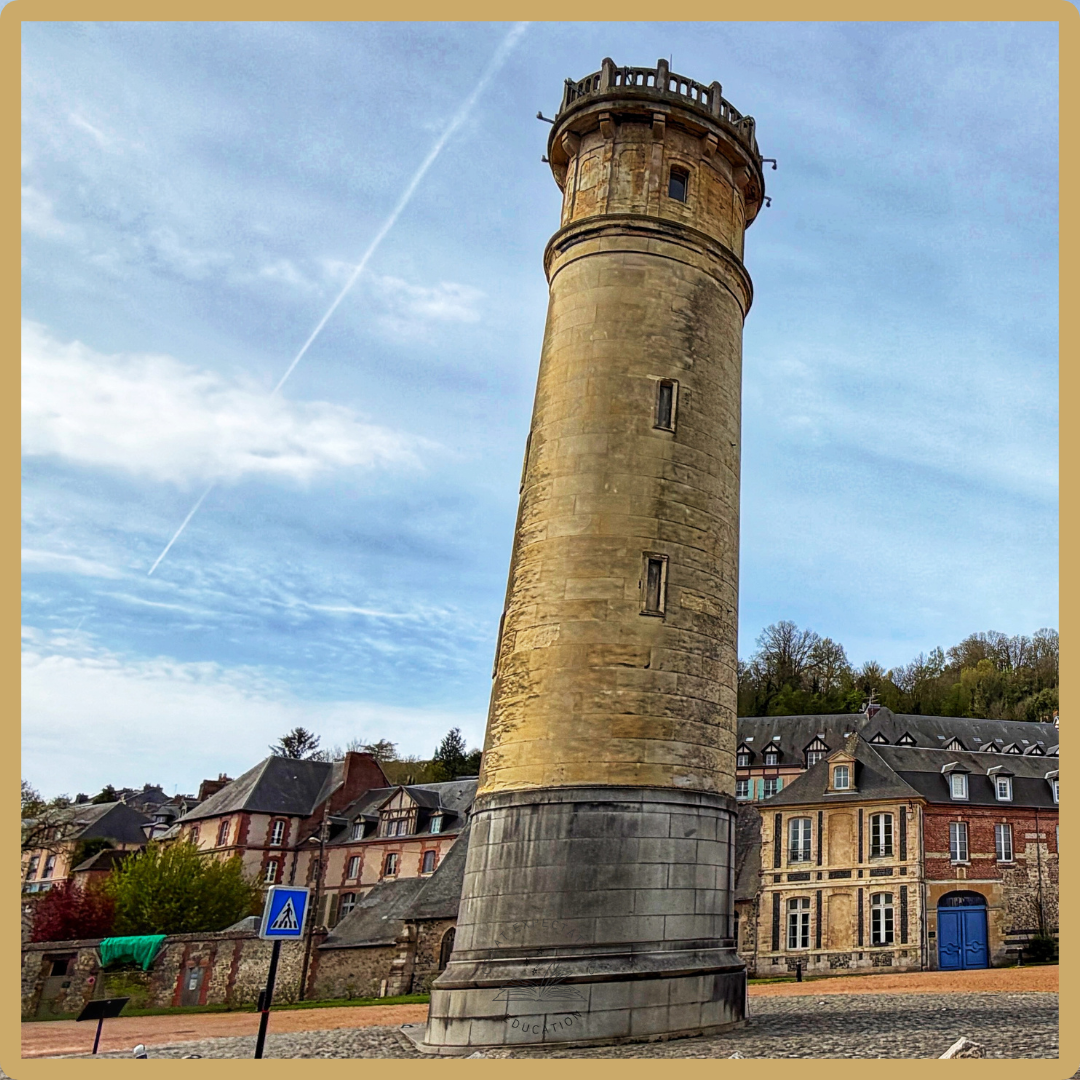
A new word card for 'phare' — the French for lighthouse, and headlight. The same word for both. It has a proper noun at its root, and the story of how it became a common word is worth exploring.
From Musings — Teaching and Learning
I've written about why I use games rather than word lists — and why that distinction matters more than it might sound.
When a child is trying to win, reading becomes the route to something they actually want to do. The decoding still happens but their attention just isn't on the effort any more.
From The Forge
A few things have gone up over the past few weeks.
‘para-' prefix — five resources.[/BOLD] The prefix appears in 'paragraph', 'parallel', 'paradox', 'paramedic', 'parachute' - and a lot more words than most learners notice. Word cards, spelling sheets, vocabulary grids, an activity pack, and a morphology booklet for independent use. All in the Wordcrafter's Bench.
'civ-' root — six resources. The Latin root that gives us 'civilian', 'civic', 'civility', 'uncivilised'. Vocabulary grids, spelling sheets, reading and spelling cards, an independent booklet, an activity pack, and a bundle of all four at a reduced price. It's in the Wordcrafter's Bench alongside the 'para-' resources.
French — L'atelier des mots.
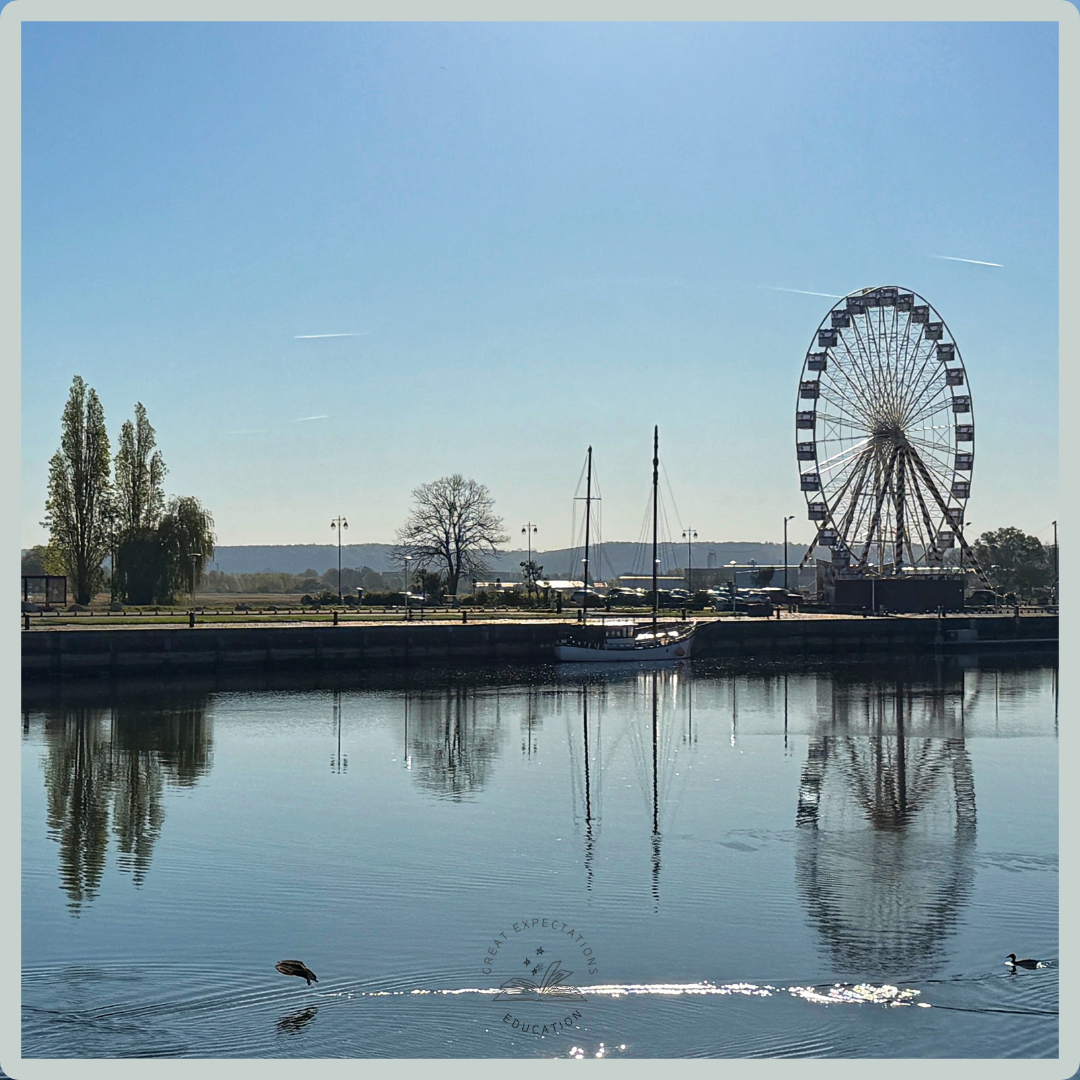
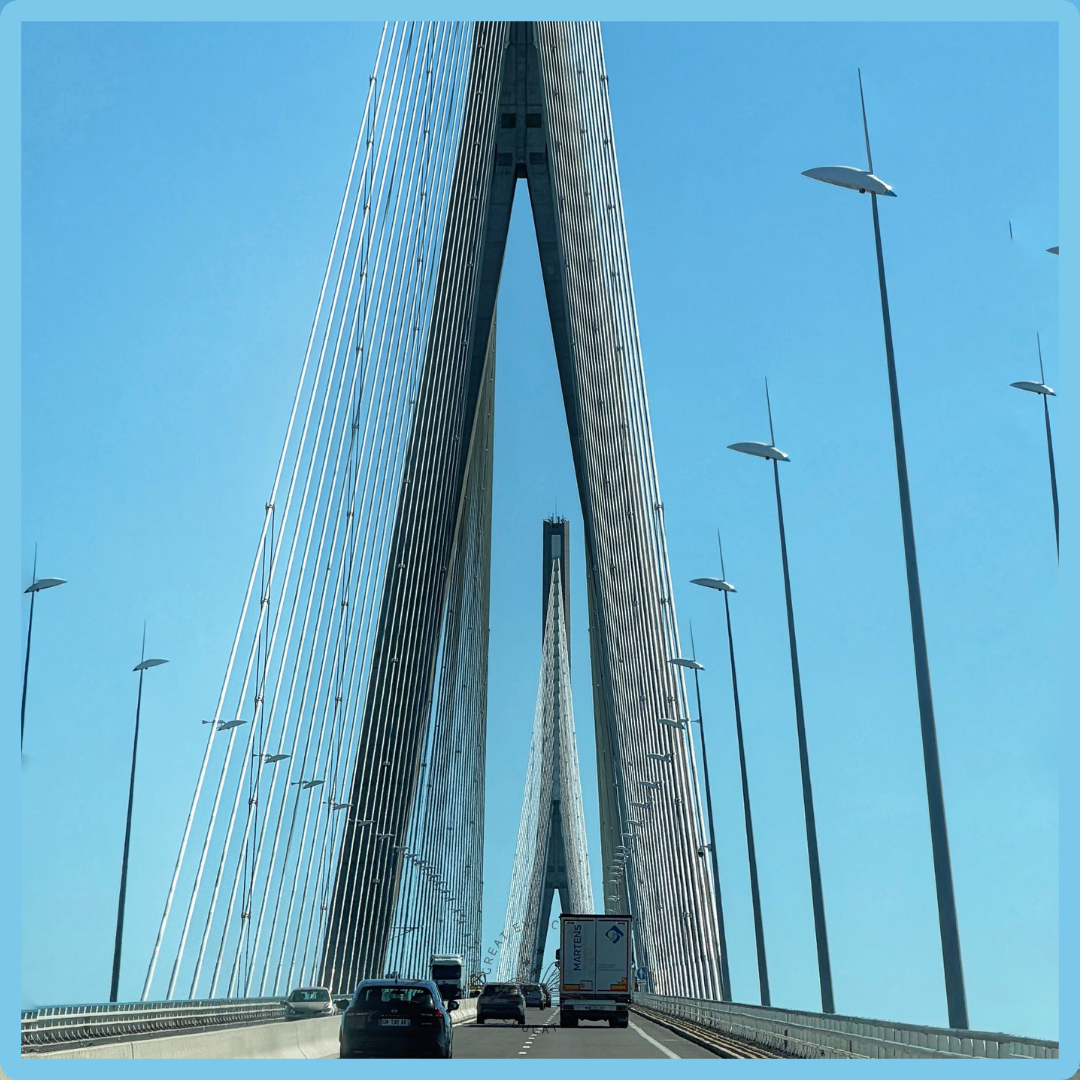
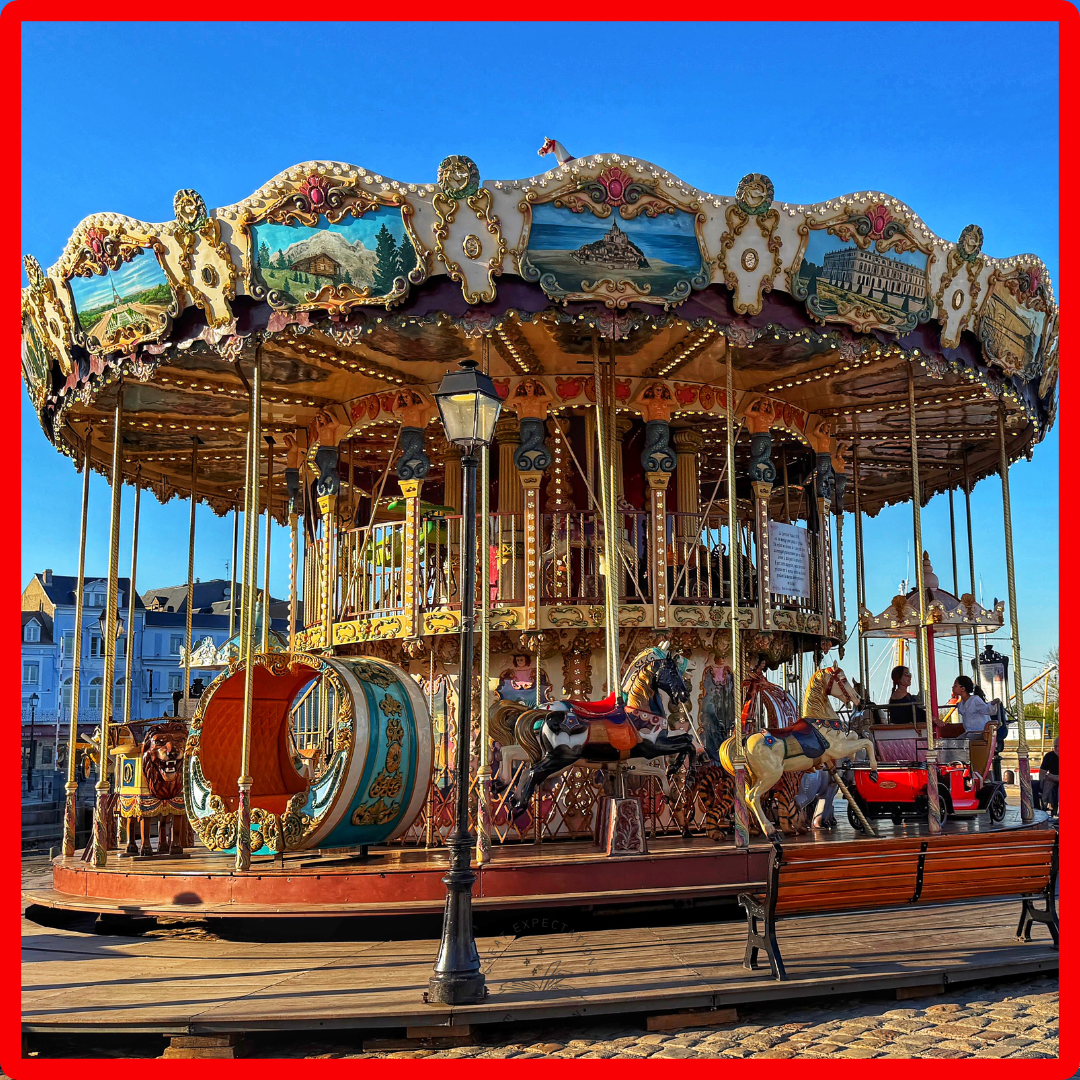
We spent a few days in France in April. My 12-year-old, who is dyslexic, found it harder going than I did - not because he wasn't interested, but because the thing that makes reading and writing difficult in English doesn't stop at the border. It follows you into every new language. The French resources in L'atelier des mots exist because I needed something that worked with his brain rather than against it. Ten new words have gone up this spring: 'habiter', 'grand', 'jouer', 'bien', 'près de', 'anniversaire', 'vieux/vieil/vieille', 'très', 'âge', 'an/ans'. Each one links meaning, word family, and form, with etymology and comics. If you'd like to see the format before buying, there's a free sample - 'salut' - in the shop.
German — Die Wortwerkbank.
Two new words: 'traurig' (sadness, grief) and 'wo' (where).
Over the next few weeks I'm also posting on Facebook about why learning a foreign language is often harder for dyslexic learners — phonological processing, working memory, orthographic transparency, processing speed. If any of that is relevant to your child, it's worth following along.
Joanna