

The Wordhord
In Old English, a wordhord was a hoard of words — a store of language kept close, ready to be drawn on when it mattered most. To unlock the wordhord was to begin to speak with purpose and skill.
One of the earliest and most evocative uses comes from Beowulf, just as the hero prepares to speak for the first time:
Him se yldesta andswarode, The eldest of them answered,
werodes wīsa, wordhord onlēac: the leader of the warriors, unlocked his wordhoard:
“Wē synt gumcynnes Gēata lēode “We are men of the Geatish people,
and Hīgeles heoras; Beowulf is mīn nama…” Hygelac’s hearth-companions; my name is Beowulf…”
To open one’s wordhord is not simply to speak — it is to draw on knowledge, memory, and meaning, and shape them into something that can be shared.
This section gathers reflections on the structure, history, and meaning of English words. You’ll find etymology cards, seasonal explorations, and word-family notes that trace how language grows — not at random, but through stories, roots, and sound.
Each entry examines how a word was built, where it came from, and how its meaning has shifted through time, translation, and use. It’s a place for wordcraft grounded in history — practical, curious, and shaped by the belief that language is not just learnt, but forged.
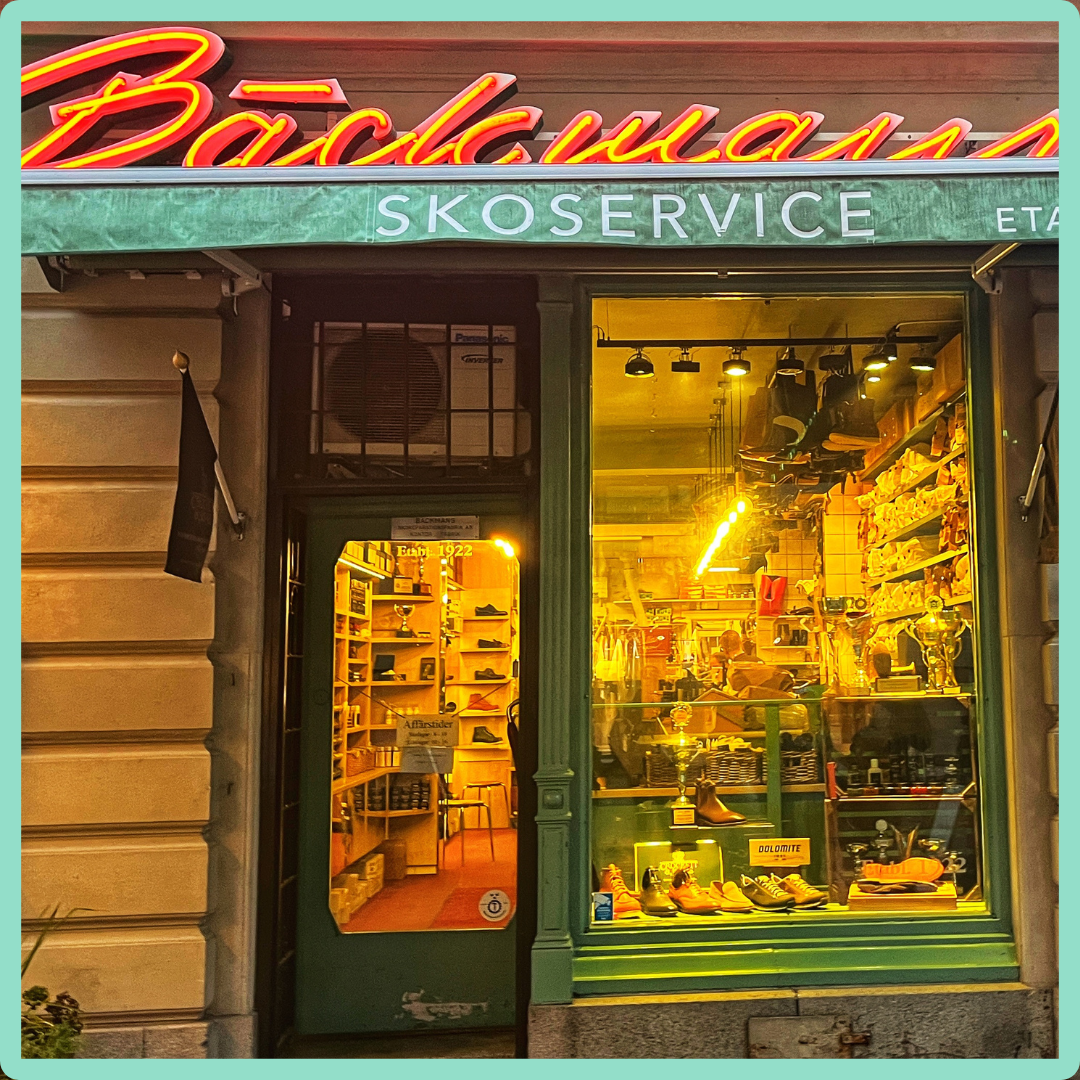
Shoe: a covering that has barely moved
From Old English ‘scoh’ to modern ‘shoe’ — a word that has barely moved in meaning for over a thousand years. Germanic stability, Romance divergence.
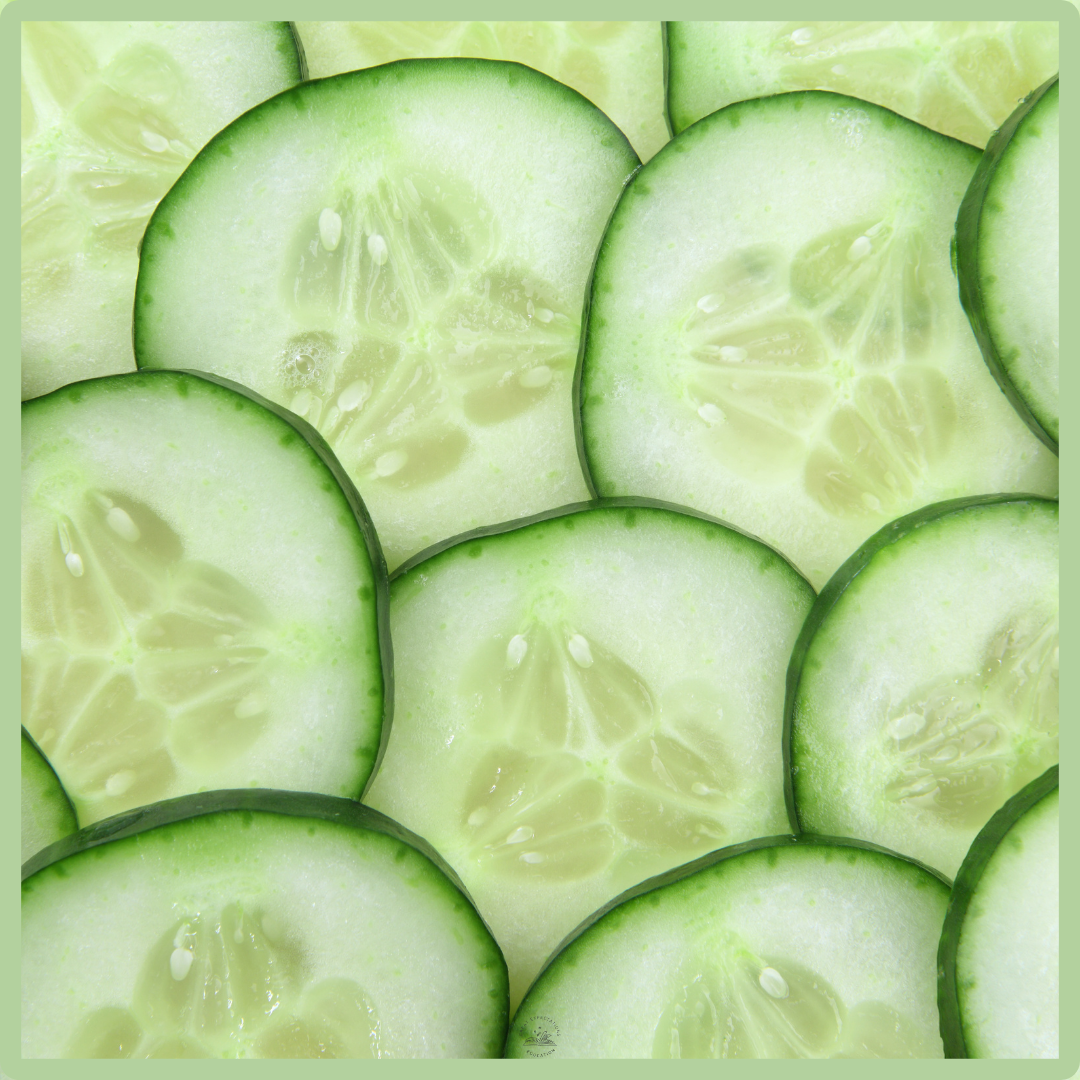
Cucumber – a traveller from Sanskrit gardens to English tables
The cucumber’s name grew from Sanskrit and Latin roots, spreading through French and Greek into Europe’s many languages.
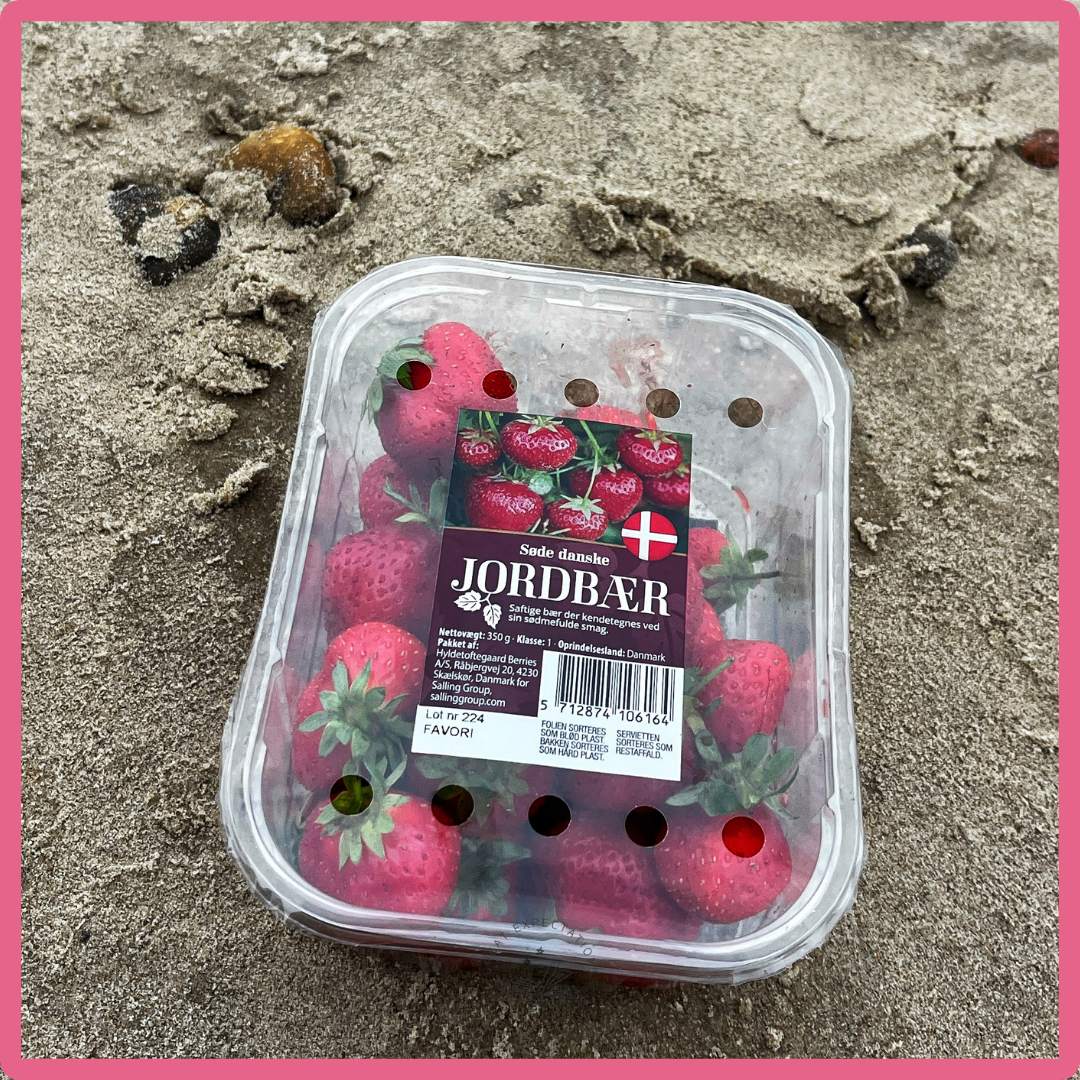
Strawberry – a berry with no straw in it
English alone calls it the ‘strawberry’. Others call it the ‘earth berry’ or the ‘fragrant fruit’. New research traces our word not to straw mulch but to an old European habit: threading wild berries onto a straw of grass.

Green and Groenten: From Growth to Vegetables
In a Flemish supermarket, the word groenten caught my eye. It means ‘vegetables’, but it shares its history with English green.

From ‘deor’ to ‘dieren’: how English ‘deer’ and Dutch ‘huisdieren’ share a root
In Belgium, a supermarket sign reads ‘Huisdieren’ (‘house animals’). Dutch ‘dieren’ shares its root with English ‘deer’ and German ‘Tier’. Once the same word, their meanings diverged over time.
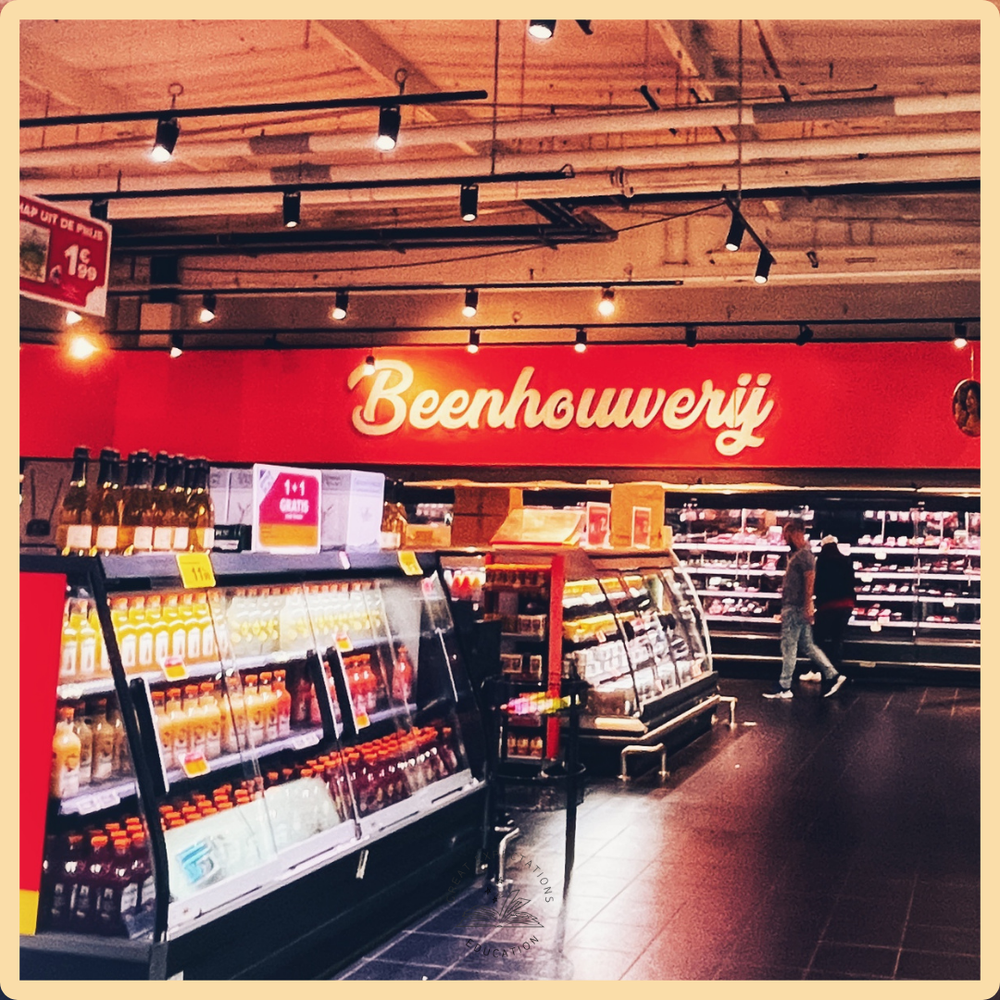
Butcher – from Flemish bone-hackers to English goat-slayers
Discover the etymology of ‘butcher’: Flemish ‘beenhouwerij’ means ‘bone-hacker’s shop’, Danish ‘slagter’ comes from ‘to slaughter’, and English ‘butcher’ from French ‘goat-slayer’. Explore how German, Italian, Portuguese, Celtic, and Basque languages name this everyday trade.

Tracing the Crane’s Berry
From cranes to bogs, the name ‘cranberry’ traces a northern path through Low German Kraanbere and Dutch Kraanbes, linking birds, berries, and marshland speech.

Frost: the old word for ice at rest
‘Frost’ has hardly changed in a thousand years. From Old English ‘forst’ to modern English, the same word has marked cold mornings and white fields. Its root goes back to Proto-Germanic frustaz and the older Indo-European preus- — a word for freezing, burning, shivering. Across Europe, its relatives still bite the air: German ‘Frost’, Dutch ‘vorst’, Swedish ‘frost’, French ‘gelée’, Irish ‘sioc’.

Gaard: from enclosures to courtyards, farms, and kindergartens
The Danish word gård links to English ‘yard’ and ‘garden’. From ancient enclosures to modern courtyards and kindergartens, discover how one root shaped European words and everyday places.

Harvest: words for the season of gathering
Explore the history of ‘harvest’, once the English word for autumn. From Old English ‘hærfest’ and German ‘Herbst’ to Italian ‘raccolto’, Spanish ‘cosecha’, Welsh ‘cynhaeaf’ and Europe’s harvest festivals, discover how languages reflect the season of gathering.