Finchley Road & Frognal
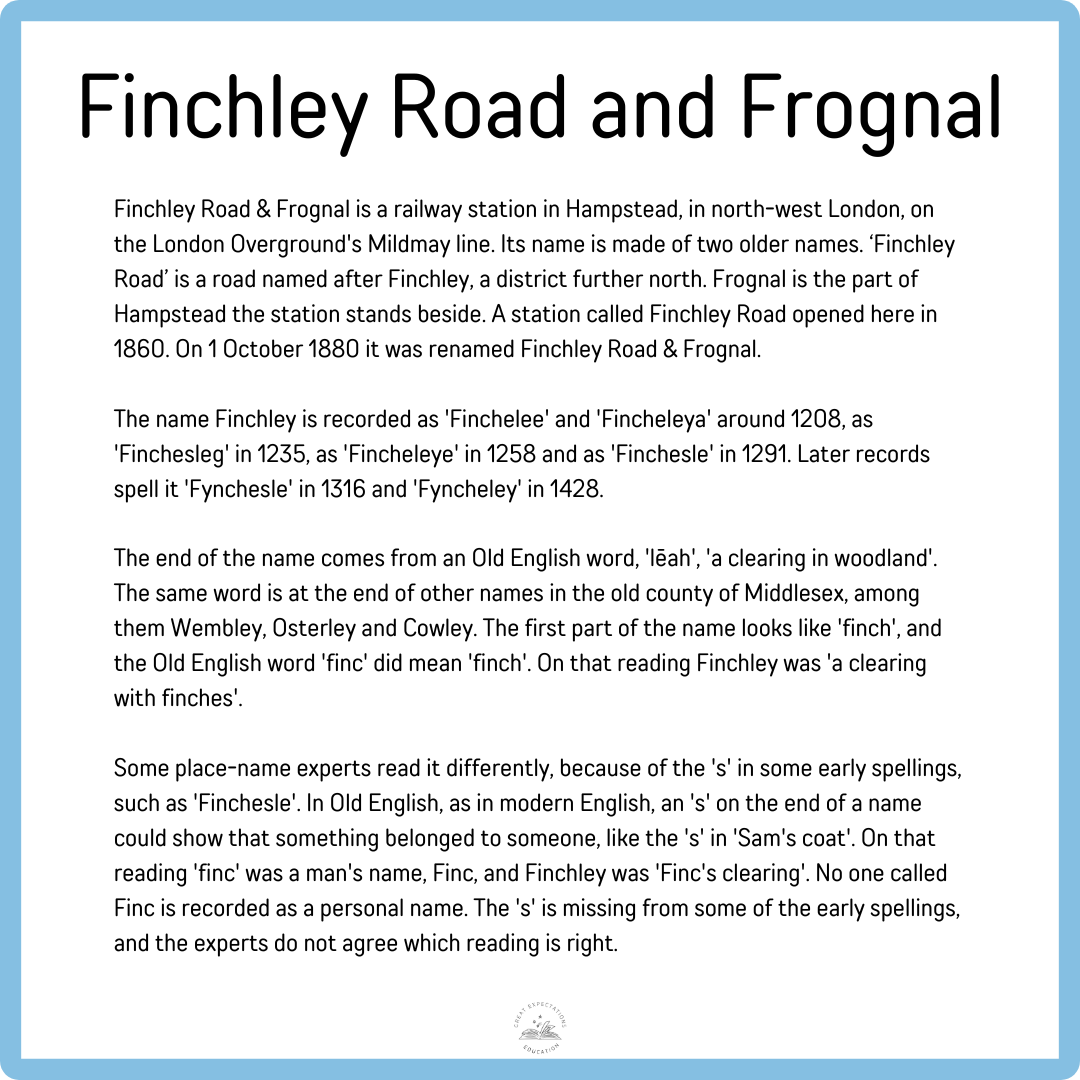
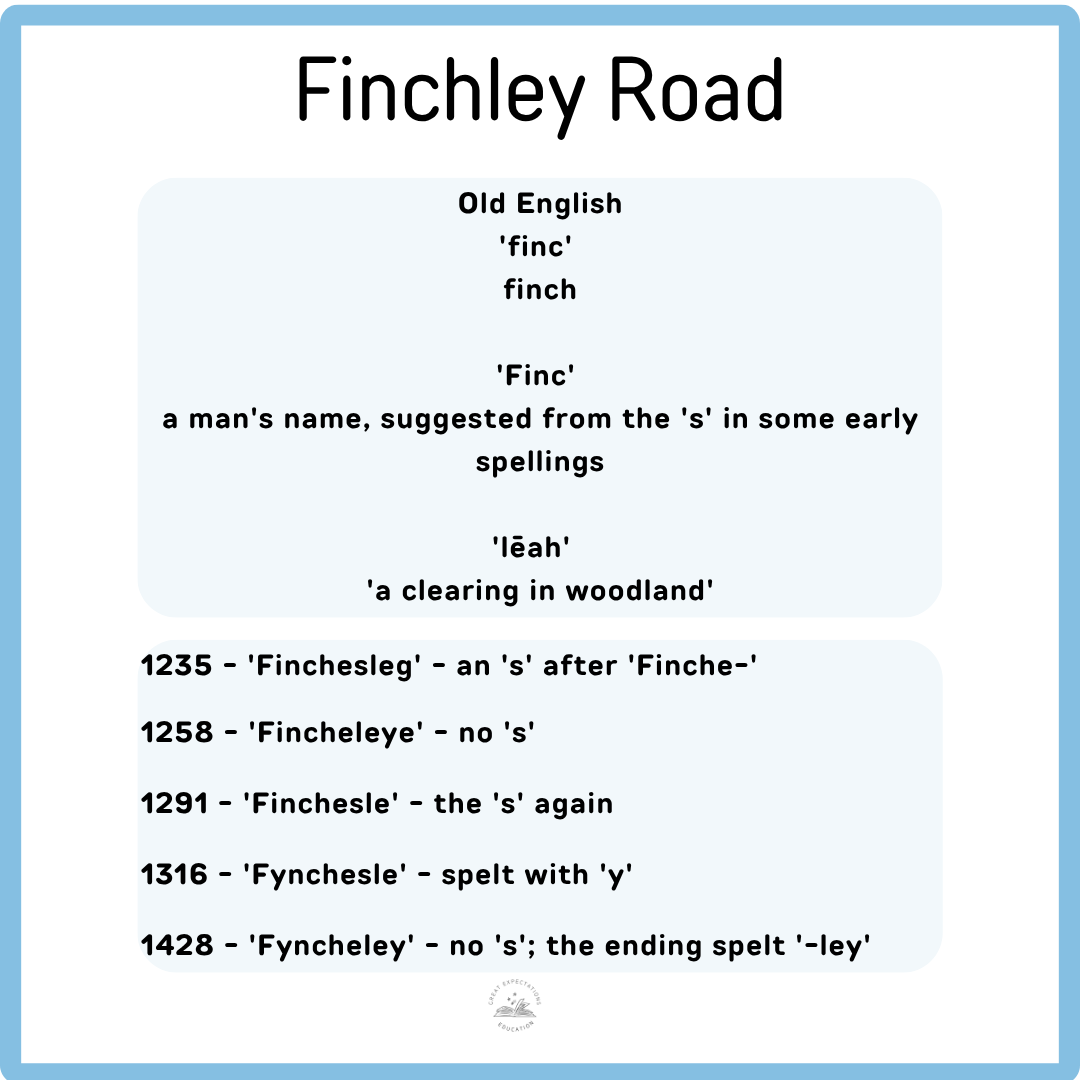
For about fifteen months, from June 1879 to October 1880, three different railway stations in north-west London had names beginning 'Finchley Road', and none of them was in Finchley. Two of them are still open. I travel into London on the Metropolitan line, so I'm often passing through Finchley Road station. Finchley Road & Frognal is a different station, on the Overground's Mildmay line further along the road. I used it when I visited Hampstead Heath.
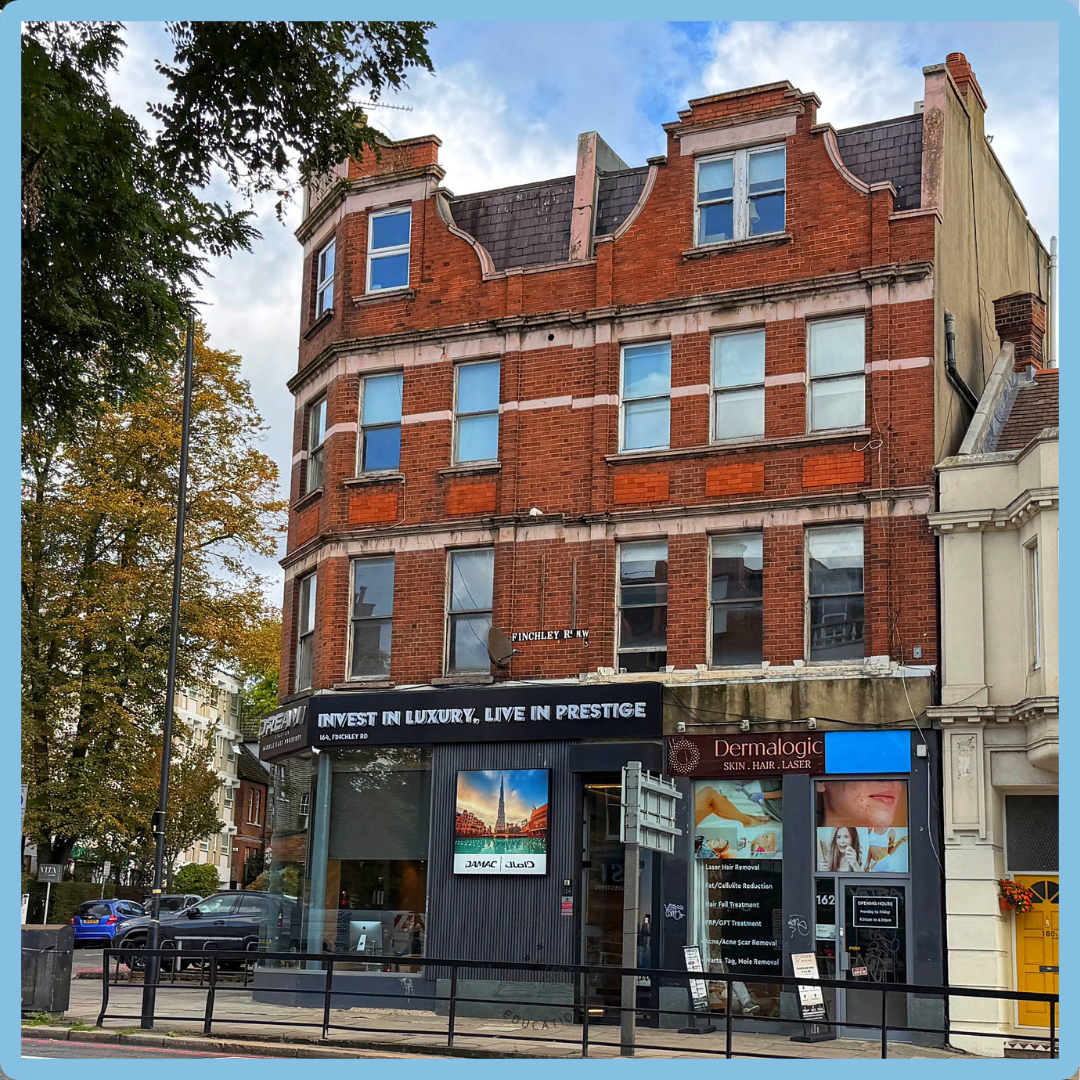
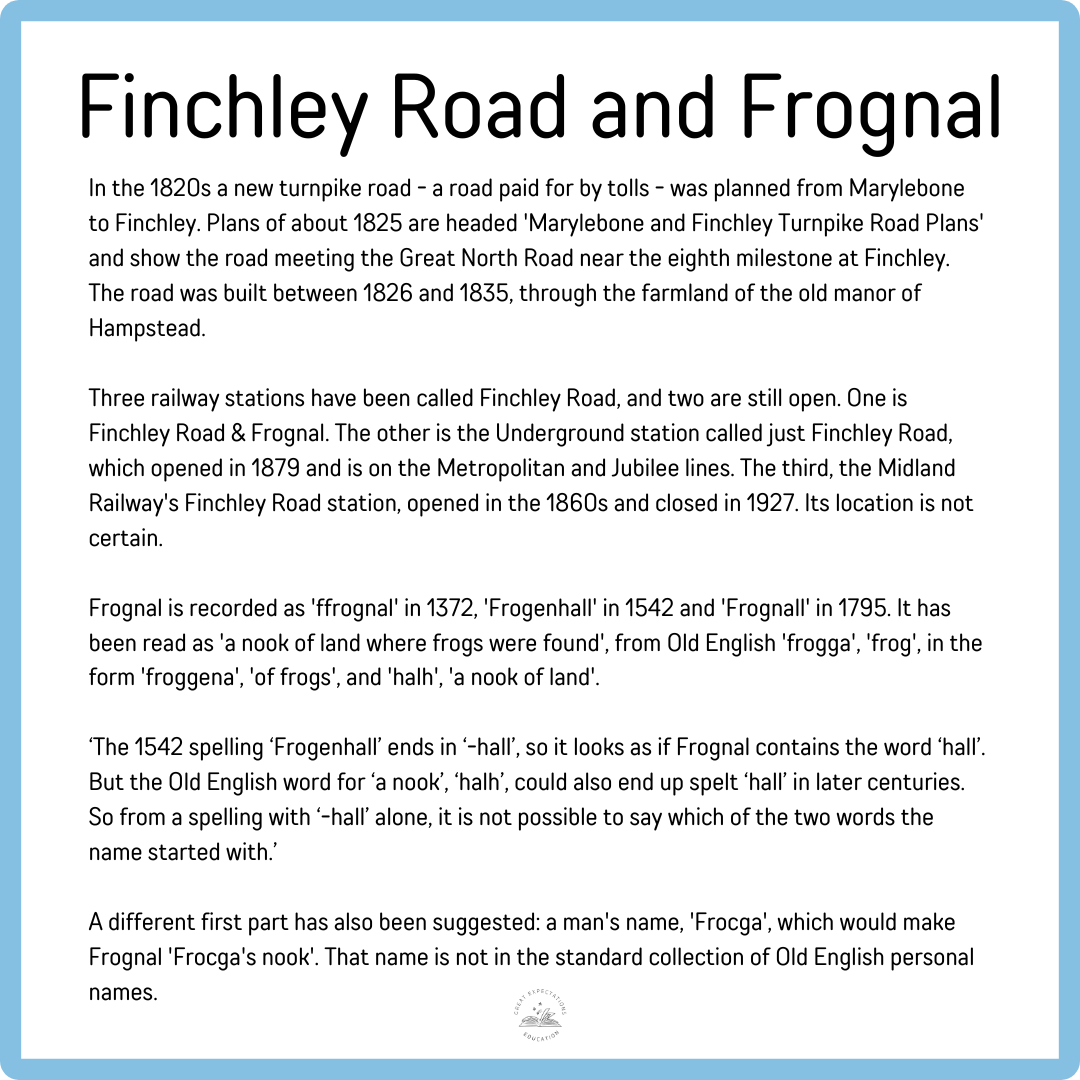
Finchley Road itself is older than any of them. It was planned in the 1820s as a new toll road from Marylebone, and the plans, drawn up around 1825, are headed 'Marylebone and Finchley Turnpike Road'. They show it joining the Great North Road near the eighth milestone at Finchley. It was built between 1826 and 1835, straight through the farmland of the old manor of Hampstead.
The first station on the road opened in 1860 as Finchley Road (St John's Wood). The Midland Railway opened its own Finchley Road station in the late 1860s. In 1879 the Metropolitan Railway opened a third, the one I pass through on the Metropolitan line.
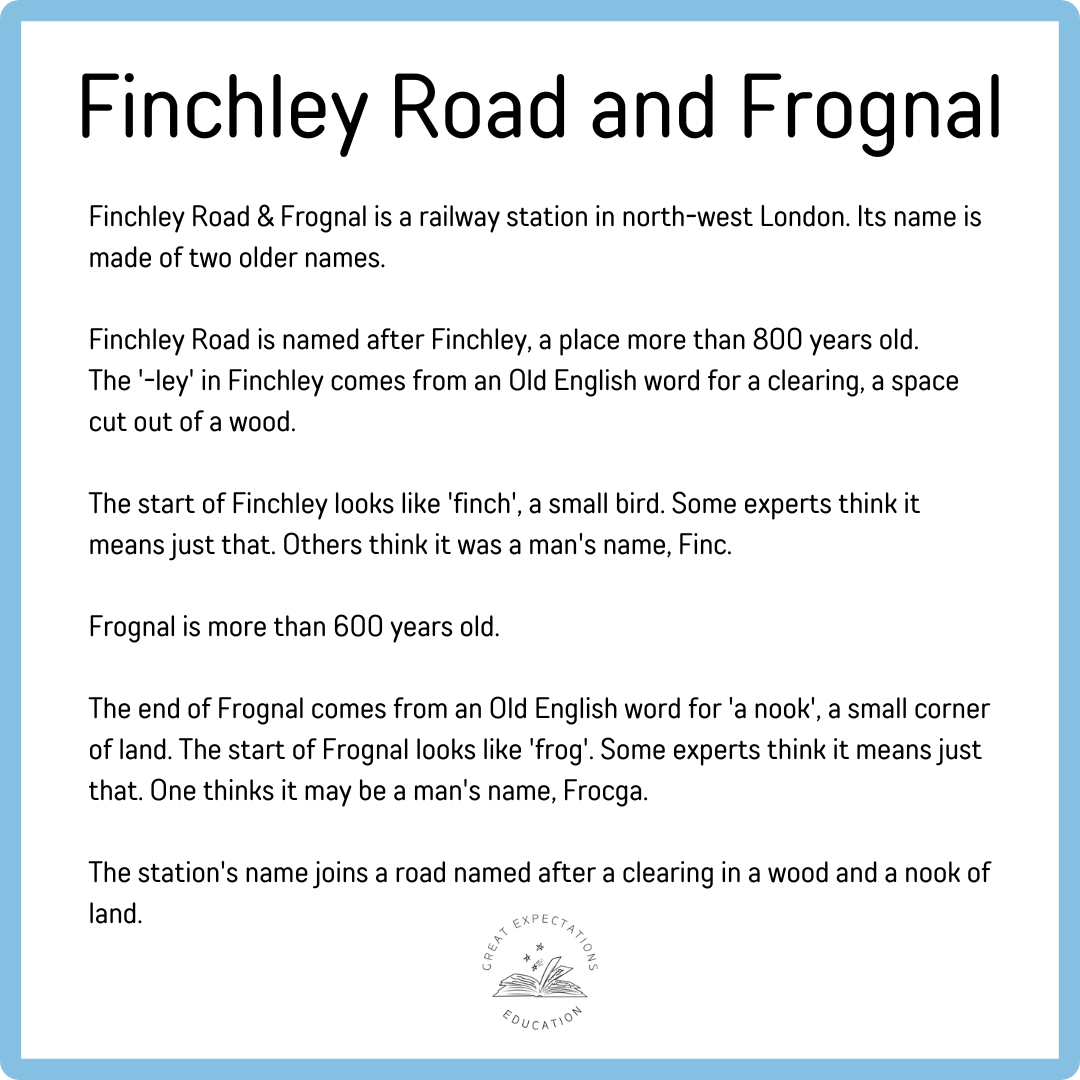
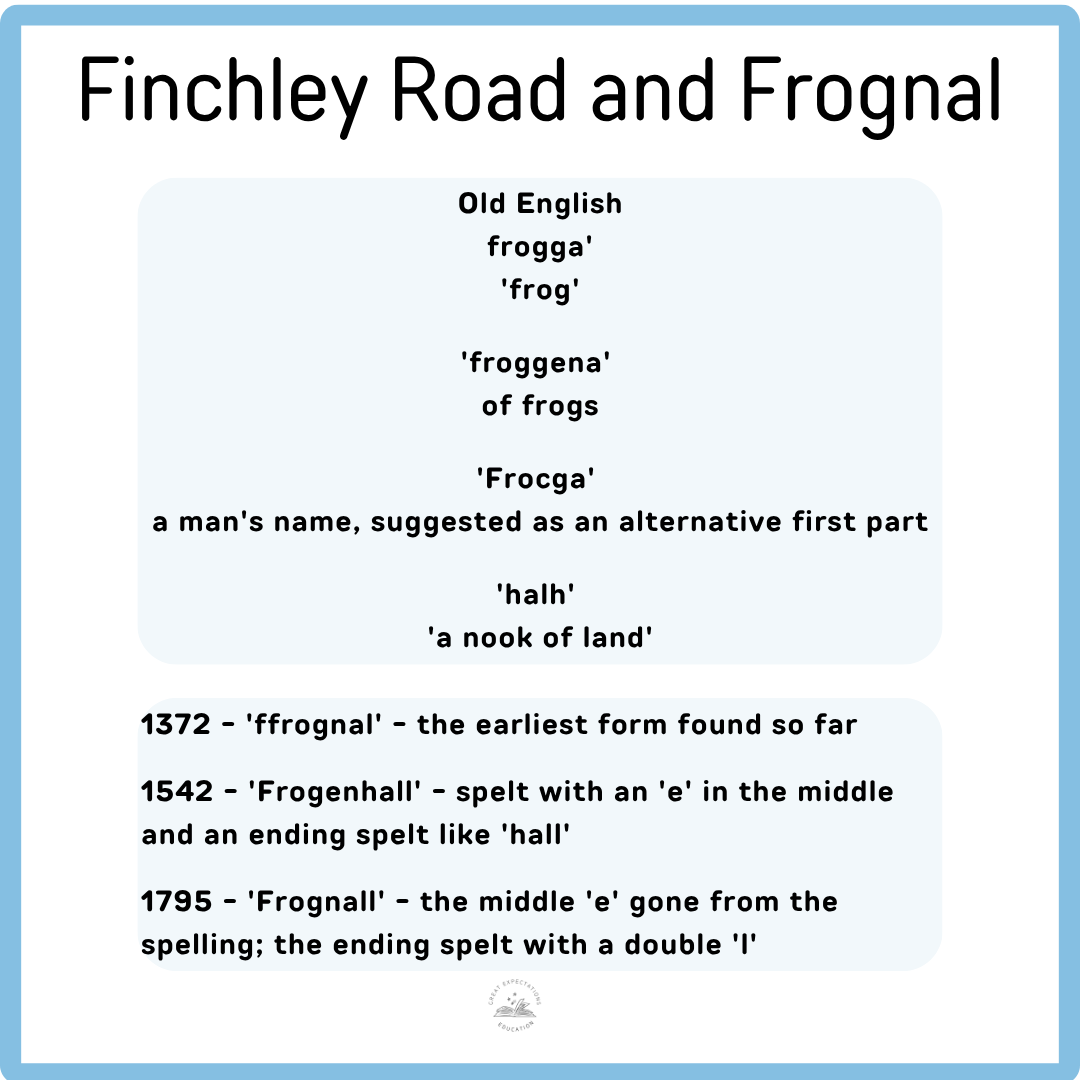
Frognal is far older than the road. It is on record by 1372, and the word card has where its name and Finchley's come from. By the 1600s it was a cluster of houses along a road running north to the heath, on ground full of springs and buried streams. A map of 1866 shows the area dotted with wells and pumps.
A small house near the church, later called Priory Lodge, has been identified as the one where Samuel Johnson's wife lodged for the country air, and where he wrote most of 'The Vanity of Human Wishes', published in 1749. In 1885 Richard Norman Shaw designed no. 39 Frognal for the illustrator Kate Greenaway, and she died there in 1901.
Number 99 Frognal, built around 1740, was once listed as Frognal House. From 1862 to 1869 it was the Sailors' Orphan Girls' Home, and during the Second World War it was home to Charles de Gaulle and his family. There's a second Frognal House on the other side of London, in Sidcup, rebuilt around 1670 but with early Tudor origins. It may be the same name, though the Sidcup house seems once to have been called Frogpool.
This is the second entry in the London place-names series, following on from Marylebone.